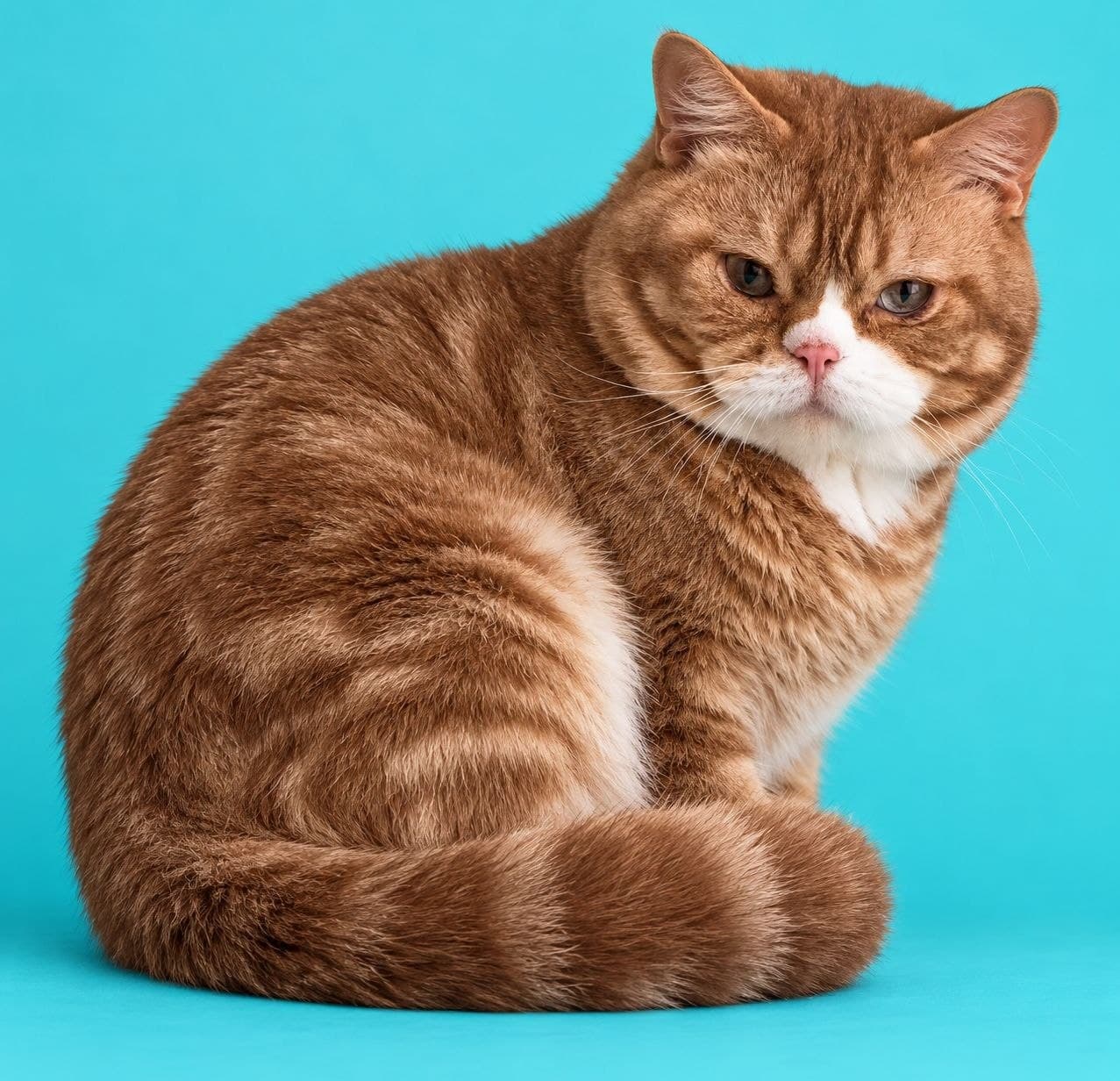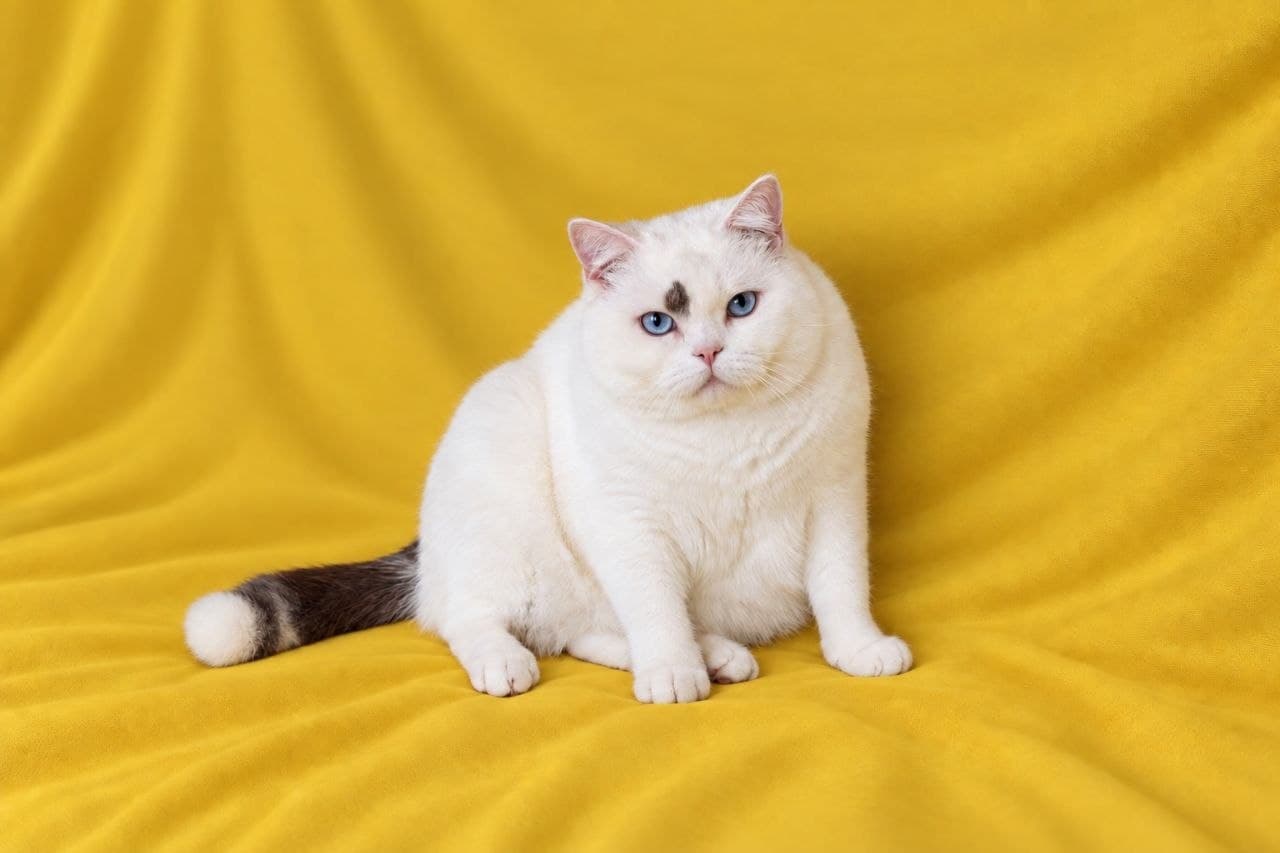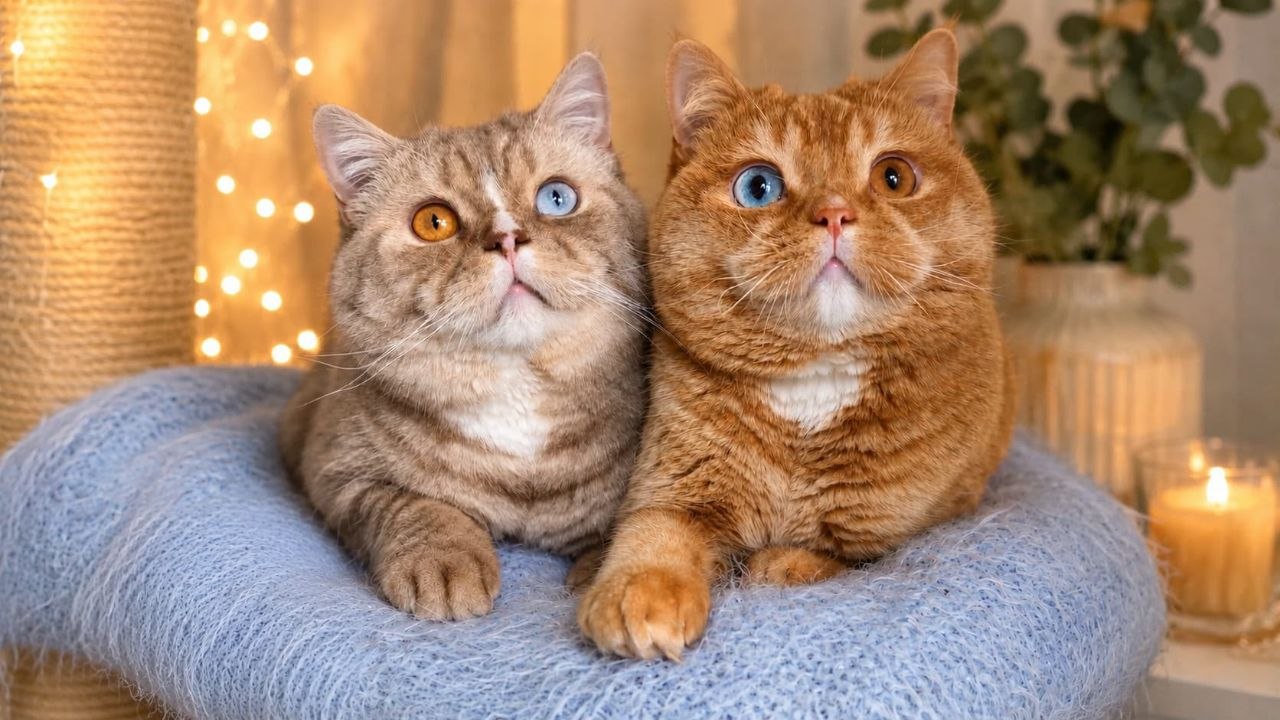
British Shorthair grooming double coat care centers on preserving the breed's iconic crisp, plush coat density while removing dead undercoat fibers before ingestion. British Shorthairs possess a firm outer coat paired with an exceptionally dense undercoat, requiring systematic grooming once to twice weekly with a fine-wire slicker brush and a wide-toothed metal greyhound comb. During seasonal spring and autumn molts, daily mechanical brushing paired with dietary malt paste prevents intestinal trichobezoars (hairballs), eliminates matting, and protects guard hair structure without resorting to aggressive deshedding blades.
How to Brush a British Shorthair Coat
Brushing a British Shorthair requires a deliberate, directional technique to avoid pulling the skin or breaking the distinctive crisp outer coat. Because the FIFe breed standard calls for a short, dense coat with a resilient hand-feel rather than a silky, flat-lying layer, grooming must never thin the coat excessively or damage the follicle roots. Begin your session when the cat is relaxed, introducing the tool gently along the back and flank contours.
Always brush in the direction of hair growth rather than backcombing against the grain, which creates micro-abrasions along the hair shaft and triggers sensory discomfort. Work in structured sections, dividing the dense coat with your fingers to reach the lower undercoat boundary. Start from the nape of the neck, moving systematically down the spine, across the rib cage, and toward the flank. Pay meticulous attention to high-friction zones including the armpits, the groin, and the dense ruff beneath the chin, where fallen undercoat tends to consolidate into impalpable micro-knots.
- Divide fur into 2-inch horizontal layers to target trapped undercoat directly against the dermis.
- Stroke with light, rhythmic pressure, letting the brush tines collect shed hair without dragging the skin.
- Conclude every brushing routine by smoothing the topcoat down with a soft natural-bristle brush or damp microfiber cloth.
Best Grooming Brushes for Dense Plush Cat Fur
Selecting the best grooming brushes for dense plush cat fur means balancing thorough undercoat removal against guard hair preservation. The most critical tool in your kit is a dual-spaced metal greyhound comb featuring smooth, rounded stainless steel teeth. The wider teeth gently untangle deeper layers without snagging, while the finer side traps loose undercoat fibers close to the skin. Complement this with a soft-pin slicker brush equipped with flexible, angled wire pins that gently lift shed undercoat without scratching the epidermis.
Breeders strongly advise against relying on bladed deshedding tools equipped with internal razors. While these tools harvest impressive mounds of fur, they routinely shear living guard hairs alongside shed undercoat, permanently softening the breed's characteristically crisp texture and creating patchy, uneven regrowth. For sensitive zones like the abdomen, a natural boar-bristle brush or a textured silicone curry pad provides stimulating follicular massage while capturing superficial flyaways.
- Stainless steel greyhound comb: Essential for identifying nascent tangles and clearing dense undercoat nodes.
- Flexible fine-wire slicker brush: Collects loose shed hair across the back, shoulders, and thighs.
- Silicone grooming mitt or rubber curry: Ideal for low-stress daily sweeps and desensitizing sensitive chest areas.
- Avoid razor-bladed de-shedders: They blunt structural guard hairs and degrade coat resilience.
Managing Spring and Autumn Cat Shedding
Managing spring and autumn cat shedding demands an adjustment in frequency and protocol. As daylight cycles shift, British Shorthairs trigger intense seasonal molts. The spring molt is notably profuse as the thick winter undercoat sheds out to allow skin ventilation, while the autumn shed involves dropping summer hairs to generate thermal density. Without intervention, this surge of dead fiber produces indoor debris, skin clumping, and dangerous hairball impactions.
During peak shedding weeks, increase mechanical grooming sessions from once weekly to short 5-minute daily intervals. Consistent micro-sessions prevent the cat from becoming overwhelmed while ensuring shed hair is removed continuously before the cat ingests it during self-grooming. Maintain stable indoor humidity between 45% and 55% during heating and cooling transitions to prevent dry skin, which exacerbates follicular shedding.
- Increase grooming frequency to 5-10 minutes daily during peak seasonal transitions.
- Incorporate humidity management and adequate hydration to reduce cutaneous flaking and dry shedding.
- Sanitize grooming tools weekly with mild antibacterial soap to prevent the transfer of sebum and microbial build-up.
Malt Paste for Feline Hairball Prevention
Due to the sheer volume of their undercoat, British Shorthairs naturally ingest significant volumes of keratin during self-cleaning. Inside the acidic stomach, these swallowed hairs interlock into dense cylindrical masses known as trichobezoars. Utilizing malt paste for feline hairball prevention provides a proactive, veterinary-endorsed solution that avoids gastrointestinal irritation or mechanical intestinal obstruction.
Malt paste combines natural malt extracts, vegetable oils, and prebiotic fibers that coat ingested hair with a slippery protective layer, encouraging smooth passage through the pyloric sphincter and into the intestinal tract for excretion in the feces. Provide a standard 2 to 3-centimeter ribbon of paste two to three times weekly, increasing to daily administration during peak molting periods. Unlike mineral oil lubricants, high-grade malt paste does not leach fat-soluble vitamins from the intestinal mucosa.
- Administer 2 to 3 cm of malt paste 2-3 times per week, expanding to daily doses during spring and autumn sheds.
- Select sugar-free formulas enriched with prebiotics to support beneficial gut flora and bowel regularity.
- Consult your veterinarian immediately if dry retching, lethargy, or persistent constipation accompanies shedding.
Bathing Myths: Why Indoor Cats Rarely Need Baths
Persistent internet trends often depict double-coated felines undergoing regular submersion baths, yet debunking bathing myths explains why indoor cats rarely need baths. British Shorthairs spend up to 30% of their waking hours meticulously grooming their coats with specialized papillae on their tongues. Frequent water bathing strips the coat of natural sebum, disrupting the cutaneous lipid barrier and causing reactive seborrhea, flaky skin, and a dull, limp texture that ruins the breed's natural crispness.
Submerging a British Shorthair's dense coat also traps water deep within the undercoat close to the dermis, requiring prolonged high-heat blow drying that stresses the animal and risks thermal skin burns. Reserve bathing exclusively for medical treatments prescribed by a veterinarian, accidental chemical contamination, or severe soiled episodes. For routine surface dust, wiping the outer coat with a warm, damp chamois or pet-safe waterless foam preserves natural skin oils while lifting fine particulate matter.
British Shorthair Double Coat Grooming Protocol
- Weekly Tool: Fine-pin slicker brush to loosen shed undercoat fibers (1-2x weekly in normal seasons).
- Deep Clean Tool: Stainless steel metal greyhound comb to detangle base undercoat down to skin level.
- Finishing Tool: Natural boar-bristle brush or damp microfiber cloth to pick up loose surface fur.
- Internal Support: 2-3 cm sugar-free malt paste given 2-3 times weekly for digestive hair transit.
- Seasonal Adjustment: Transition to daily 5-minute grooming sessions during March-April and September-October molts.
- Bathing Rule: Avoid routine water immersion baths; clean localized messes with damp chamois cloth.
Summary & Next Steps
A British Shorthair's iconic plush appearance relies on consistent, gentle mechanical grooming that clears dead undercoat while safeguarding protective guard hairs. Pair a dual-spaced greyhound comb with a soft-pin slicker brush, boost malt paste during seasonal molts, and avoid bladed deshedders and water baths. Next, inspect your cat's grooming toolkit to replace sharp or worn brushes, and establish a calm two-minute brushing routine after an evening play session.
Sources & References
- Fédération Internationale Féline (FIFe) British Shorthair Breed Standard (Coat Criteria)
- World Cat Congress (WCC) Feline Health and Double Coat Management Guidelines
- Journal of Feline Medicine and Surgery: Dietary Prevention and Management of Feline Hairballs (Trichobezoars)
- German Animal Welfare Act (§11 TierSchG) Breed-Appropriate Care & Husbandry Guidelines