Common British Shorthair myths debunked by reputable breeders reveal that these cats are neither aggressive, aloof, nor inherently lazy, nor are they restricted to the classic blue coat. Rooted in century-old working heritage, the modern pedigree British Shorthair exhibits a gentle, companionable temperament that values proximity over constant lap-sitting, moderate bursts of daily athletic play, and a rich genetic palette spanning hundreds of coat colors and patterns.
Are British Shorthair Cats Aggressive or Mean?
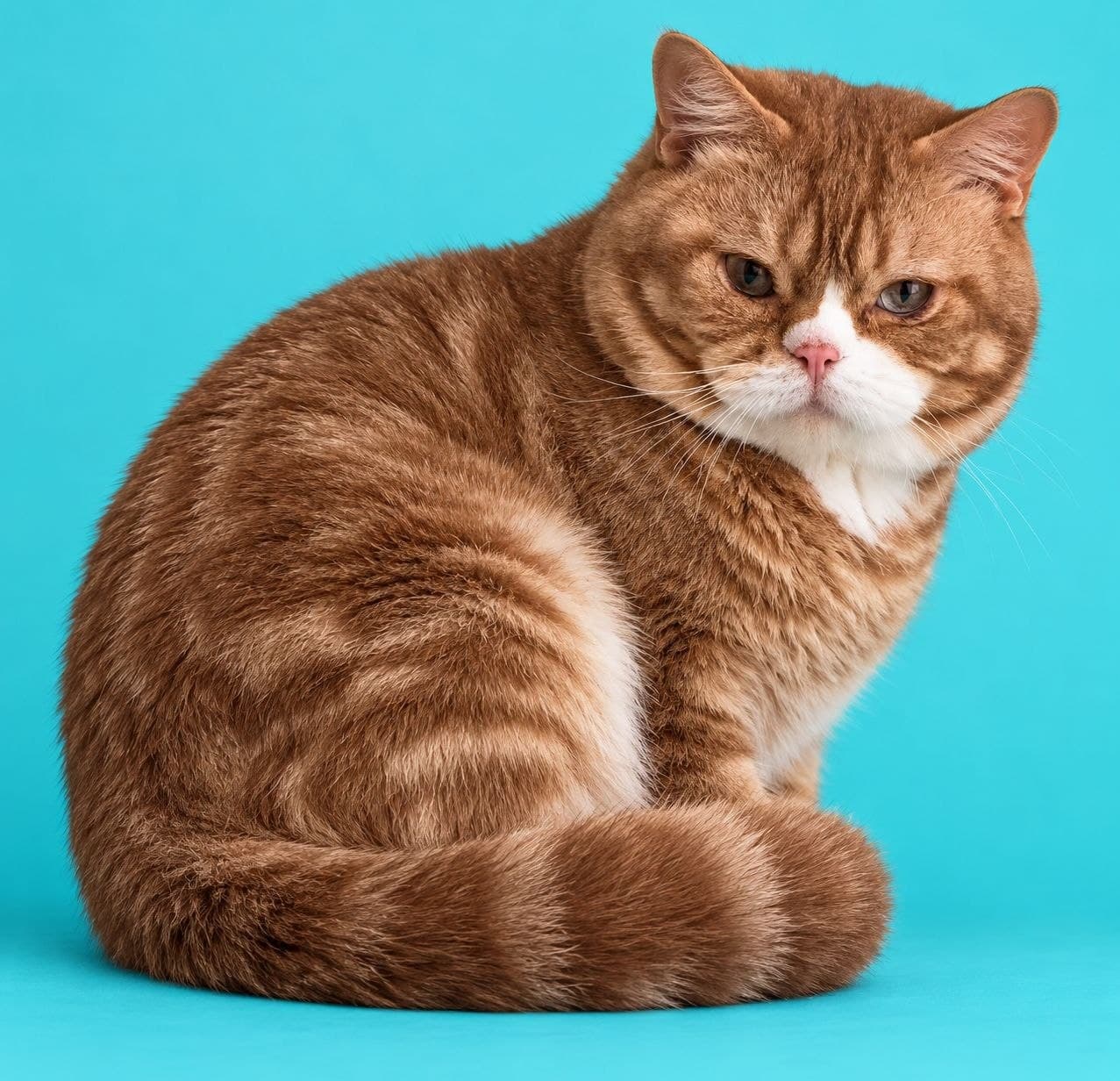
One of the most persistent online misconceptions stems from misinterpreting the breed's prominent jowls, wide-set eyes, and stoic resting facial expression as hostility or anger. In feline behavioral medicine, physical conformation is never an indicator of spite; the breed standard set by the Fédération Internationale Féline (FIFe) prioritizes a calm, equable nature devoid of unprovoked aggression.
When prospective owners ask whether British Shorthair cats are aggressive or mean, the answer from certified catteries is an emphatic no. True behavioral defensiveness only emerges when individual boundaries are repeatedly ignored. Unlike breeds that tolerate rough handling, the British Shorthair possesses strong bodily autonomy. Forcing them into constricting hugs or restraining them against their will can induce defensive swatting or stress vocalizations, which uninformed handlers mistakenly label as malice rather than a clear request for personal space.
- Facial conformation features naturally rounded, dense cheeks that create a stern resting expression without reflecting emotional hostility.
- Pedigree breeding under §11 TierSchG standards systematically selects against fear-based aggression and reactive temperament lines.
- Discomfort responses like tail swishing or ear flattening represent clear non-verbal boundary cues rather than arbitrary spite.
Understanding British Shorthair Quiet Affection
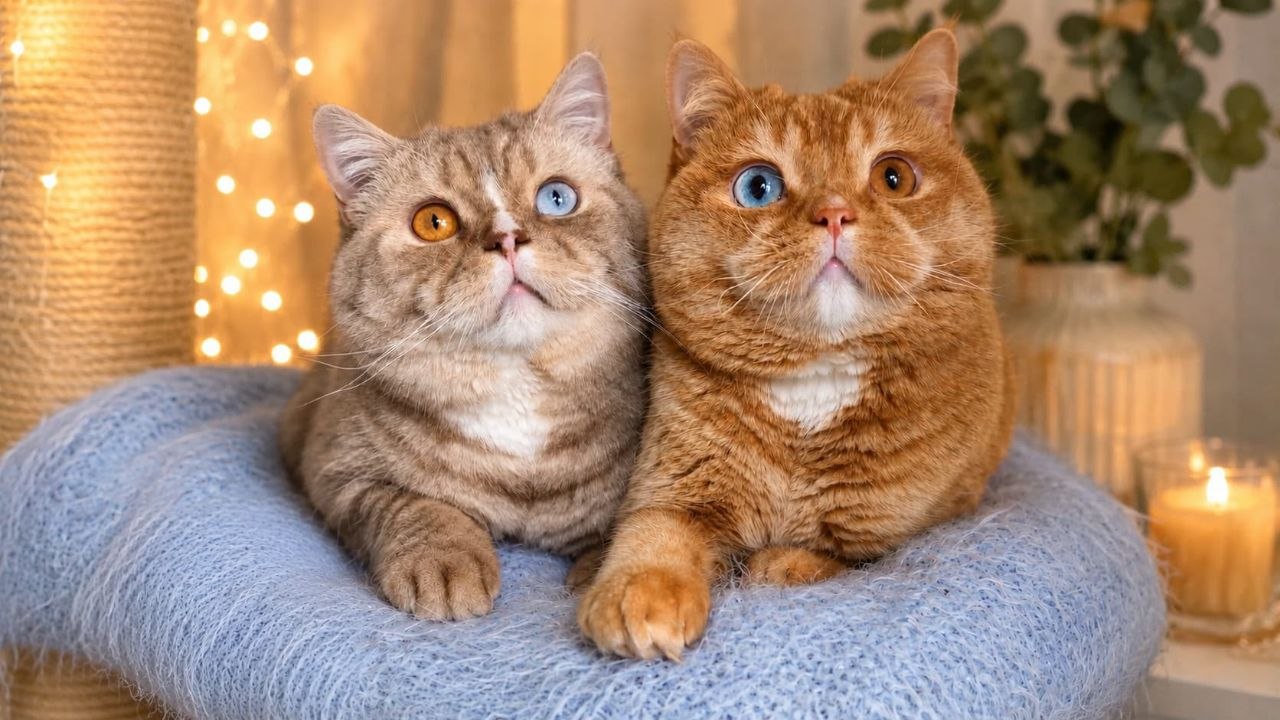
First-time owners expecting an intensely needy lap cat often mistakenly assume the breed is cold or detached. Understanding British Shorthair quiet affection requires recalibrating your perception of domestic feline attachment styles. British Shorthairs express profound devotion through shadow companionship: following their preferred humans from room to room, settling within arm's reach, and maintaining gentle, communicative eye contact.
This restrained loyalty is an intentional evolutionary trait. Rather than demanding constant lap containment, which often traps body heat against their dense, double-layered plush coats, British Shorthairs prefer companionable co-presence. They greet family members at the doorway, purr softly during mutual couch relaxation, and engage in forehead bunting without requiring perpetual physical restraint.
- Thermal comfort plays a primary role: their compact insulation makes prolonged lap containment physically uncomfortably warm.
- Shadow loyalty manifests as keeping their human in visual range across home workstations, kitchens, and reading corners.
- Affection is expressed through slow blinks, soft chirps, rhythmic head-rubbing, and rolling onto their side to reveal trust.
Playfulness and Energy Levels in Adult British Cats
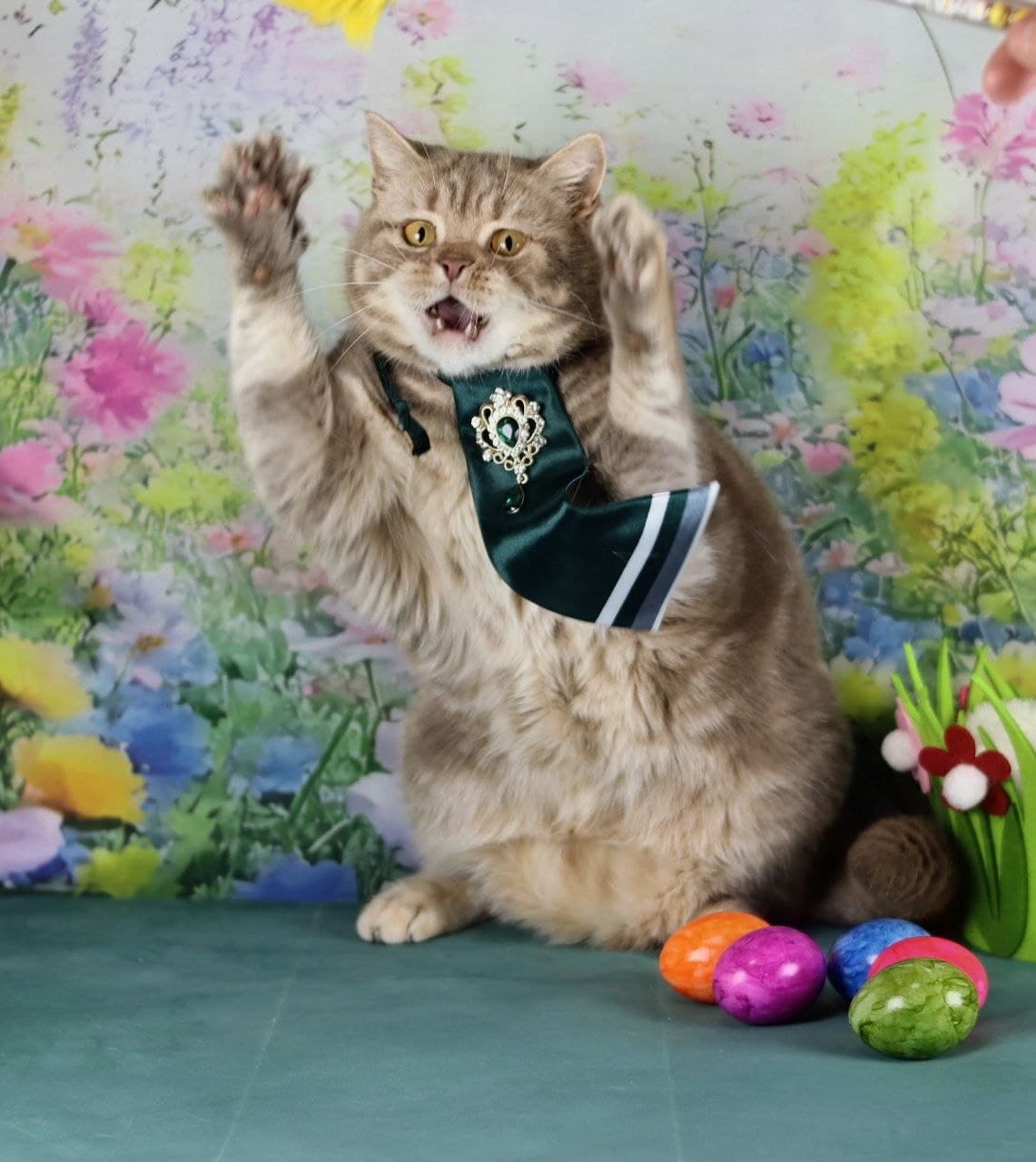
Depicting the British Shorthair as a sedentary living room ornament does a disservice to their muscular physiology. When analyzing playfulness and energy levels in adult British cats, breeders observe a steady, measured rhythm rather than hyperactive frenzies. Originating from vigorous European barn mousers and working street cats, these felines retain sharp predatory instincts and impressive bursts of muscular power.
Adult cats typically engage in two to three intense hunting play sessions per day, favoring interactive wand toys, heavy spring toys, and food-dispensing puzzle boards. While they lack the ceaseless wall-climbing antics of adolescent Orientals, an under-stimulated British Shorthair can suffer from boredom, muscular atrophy, and metabolic slowdown. Providing vertical climbing cat trees and dedicated daily interactive sessions preserves their robust athletic build.
- Energy cycles follow natural feline crepuscular patterns with active surges at dawn and dusk.
- Interactive chase games targeting their hunting drive are essential to maintain joint health and prevent excess weight gain.
- Short, structured ten-minute training and fetch sessions keep their cognitive acuity sharp well into their senior years.
Color Varieties Beyond the Classic British Blue
While historical associations with the 'British Blue' moniker lead many to believe the breed exists solely in slate-gray, the modern breed spectrum is remarkably diverse. Color varieties beyond the classic British Blue encompass a wide genetic array recognized across major international feline registries including FIFe and TICA.
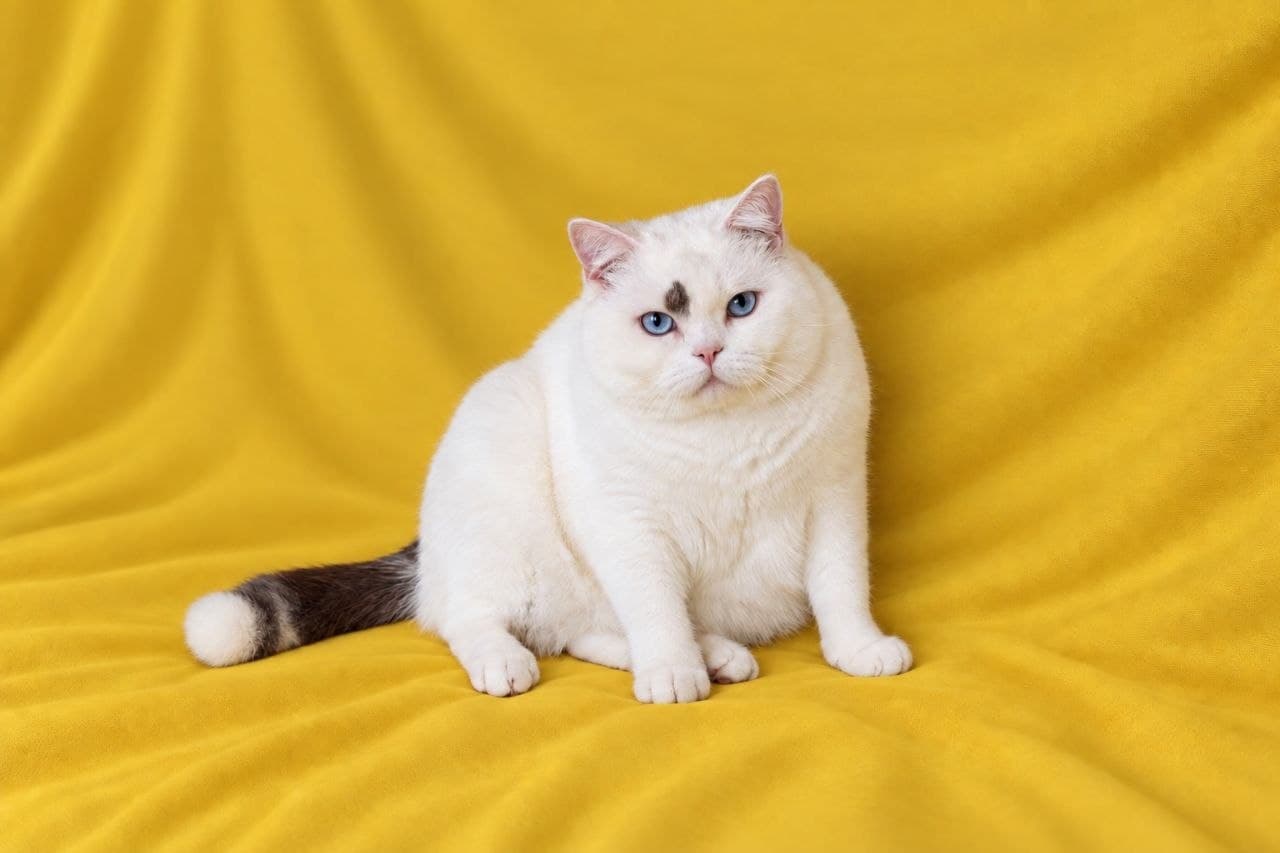
Today, ethical catteries cultivate stunning lines featuring golden shaded, black silver tabby, lilac, chocolate, cinnamon, and fawn. Furthermore, pointed patterns with vibrant blue eyes, alongside tortoiseshell, calico, and clean bicolors, are fully established within standard show pedigrees. Coat color is governed by distinct melanin alleles and has zero scientific correlation with temperament, dispelling the myth that only blue individuals carry true breed charm.
- Solid coats include black, chocolate, lilac, red, cream, cinnamon, fawn, and pristine pure white.
- Patterned variations range from classic marbled blotched tabby to finely ticked, spotted, and dramatic silver chinchilla.
- Coat color variation stems from polygenic melanin distribution and does not alter the breed's steady, placid baseline character.
Breeder Truth About British Cat Temperament
A kitten's lifelong social stability is forged long before adoption day. The breeder truth about British cat temperament is that genuine balance, patience, and sociability are the products of meticulous maternal care and intentional human desensitization. When raised under ethical guidelines like those of FIFe and regulatory welfare directives, kittens develop robust stress tolerance and low baseline anxiety.
Responsible breeding focuses heavily on selecting parent cats with proven emotional stability, gentle disposition, and verified negative genetic panels for hypertrophic cardiomyopathy (HCM) and polycystic kidney disease (PKD). A British Shorthair bred without corner-cutting represents one of the most reliable, unflappable, and peacefully loving additions a household can welcome.
- Ethical kitten raising spans a minimum of twelve to fourteen weeks in-cattery for comprehensive emotional development.
- Systematic exposure to vacuum cleaners, travel carriers, and gentle grooming establishes lifelong emotional resilience.
- Genomic health screening eliminates hidden cardiac and renal pain conditions that can trigger defensive behavior.
British Shorthair Myths vs. Genetic & Behavioral Reality
- Myth: Naturally Aloof and Mean | Reality: Calm, boundary-respecting companions who express affection through quiet proximity rather than confinement.
- Myth: Sedentary Couch Potato | Reality: Muscular, athletic cats requiring deliberate daily play sessions to satisfy instinctive predatory drives.
- Myth: Only Exists in Classic Blue | Reality: Fully recognized in over one hundred combinations including golden, silver shaded, cinnamon, and colorpoint.
- Myth: Tolerates Complete Solitude | Reality: Highly socially connected felines who experience separation distress if ignored over extended intervals.
- Myth: Coat Color Determines Personality | Reality: Feline temperament is determined by early socialization and genetics, not melanin pigmentation.
Summary & Next Steps
The real British Shorthair is neither a stone gargoyle nor an inert plush cushion; they are intelligent, loyal partners whose love is steady, dignified, and enduring. To experience this authentic temperament firsthand, review our health-tested breeding protocols and discover ethical adoption avenues through Grand Liberty.
Sources & References
- Fédération Internationale Féline (FIFe) - British Shorthair Breed Standard & Breeding Rules
- Governing Council of the Cat Fancy (GCCF) - British Shorthair Genetics and Variety Guidelines
- Journal of Feline Medicine and Surgery - Environmental Enrichment and Breed Behavioral Phenotypes
- German Animal Welfare Act (§11 TierSchG) - Ethical Breeding, Housing, and Socialization Directives