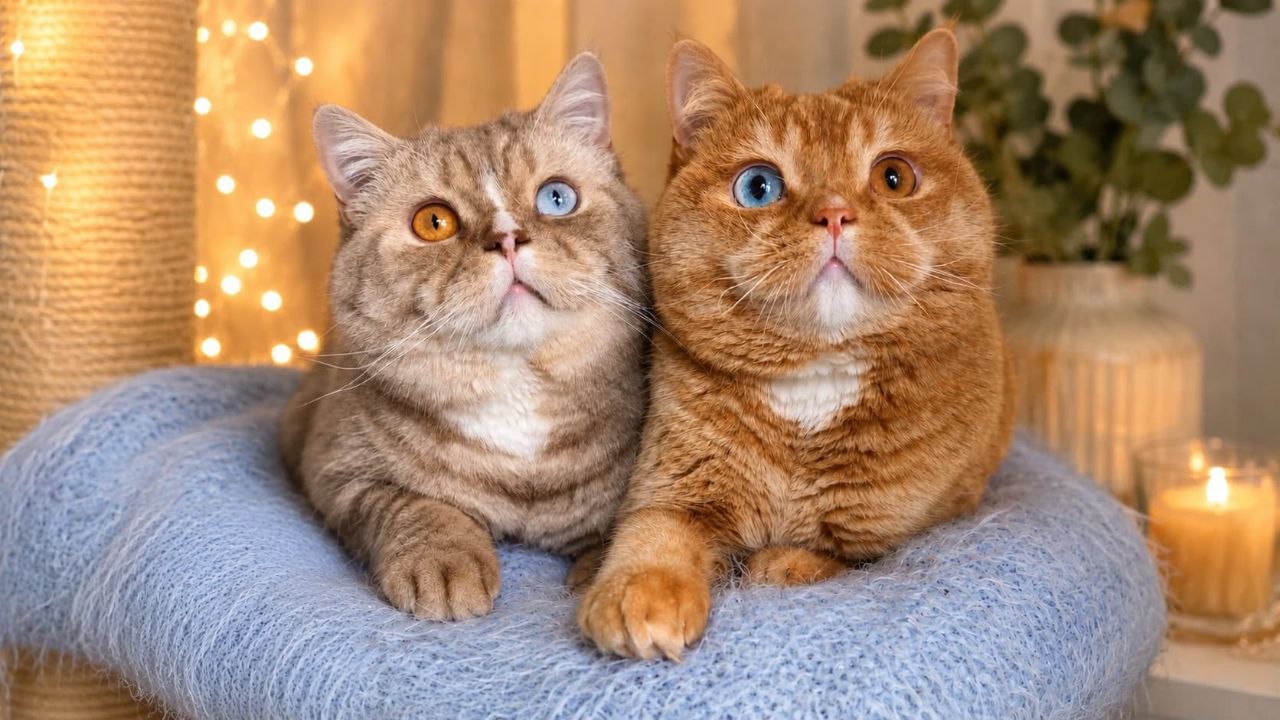
The black gold british shorthair kitten represents one of the most mesmerizing, technically demanding, and visually enchanting achievements in modern purebred cat fancy. Combining the sturdy, muscular cobby architecture of the traditional British Shorthair with a luminous, warm apricot-to-amber ground color crowned by deep black eumelanin tipping, this exquisite feline looks like a miniature wild leopard rendered with an affectionate, gentle demeanor. Often referred to internationally as the golden shaded or golden ticked variety (EMS codes BRI ny 11 and BRI ny 25), the black golden British Shorthair has captured the hearts of connoisseurs and pet lovers worldwide.
However, producing a true black golden british shorthair kitten that fulfills elite international exhibition standards requires profound mastery of polygenic inheritance, wideband gene interactions, and generational pigment selection. At Grand Liberty, our German breeding cattery operates under the strict regulatory standards of Section 11 of the German Animal Welfare Act (§11 TierSchG), with official registrations through the Fédération Internationale Féline (FIFe #729) and the World Cat Federation (WCF). We dedicate our breeding program to refining authentic black golden bloodlines, ensuring peerless genetic health, luminous emerald green eyes, and exceptionally sweet, well-socialized temperaments.
The Genetics of a Black Gold British Shorthair Kitten: Agouti Signaling, Wideband Polygenes, and Dense Eumelanin Tipping
Understanding the radiant appearance of a black gold british shorthair kitten requires exploring feline coat genetics:
1. The Agouti Gene ($A$): Golden British Shorthairs are fundamentally agouti cats ($A/-$). Unlike non-agouti solid black cats ($a/a$), the agouti gene allows banding along the individual hair shaft, creating alternating bands of yellow-red pheomelanin and dark eumelanin. 2. The Absence of the Silver Inhibitor Gene ($i/i$): While silver shaded cats express the dominant Melanin Inhibitor gene ($I/-$), which bleaches pheomelanin to produce a stark chalk-white undercoat, golden cats inherit the recessive non-inhibitor alleles ($i/i$). This allows full, warm expression of intense yellow and red pigments along the hair shaft. 3. The Wideband Complex ($Wb$): The defining characteristic of golden felines is the wideband effect. This polygenic complex dramatically widens the pheomelanic base of each hair shaft, pushing the dark eumelanin pigment toward the very tip of the hair. In top-tier golden lines, this creates a warm apricot, peach, or ripe apricot ground color that glows with radiant warmth. 4. Black Eumelanin Tipping ($n$): The letter 'n' in the EMS code (BRI ny 11/25) denotes black eumelanin. The tips of the guard hairs are saturated with intense, lustrous black pigment, creating subtle shading across the cat's back, flanks, head, and tail, while the chin, chest, and belly remain clear warm apricot.
Ethical preservation breeding requires careful selection against undesirable grayish or muddy undercoats, ensuring clear, clean golden warmth free of cold brownish tones.
Differentiating BRI ny 11 Shaded and BRI ny 25 Ticked in a Black Golden British Shorthair Kitten
When choosing a black golden british shorthair kitten, prospective owners encounter two primary EMS color codes: BRI ny 11 (Black Golden Shaded) and BRI ny 25 (Black Golden Ticked). Both are prized varieties with distinct visual characteristics:
BRI ny 11 — Black Golden Shaded
In the shaded golden variety:
- Tipping Distribution: Approximately one-third to one-quarter of the hair shaft's outer length is tipped with dense black eumelanin.
- Visual Appearance: The shading cascades smoothly from the spine down the flanks, creating an ombré, dusted halo effect over the warm apricot undercoat.
- Markings: The face and legs should be virtually free of dark tabby barring. Dark eyeliner, lip outlines, and paw pads provide striking black contrast against the golden coat.
BRI ny 25 — Black Golden Ticked
In the ticked golden variety:
- Multi-Banded Agouti Shafts: Each hair shaft exhibits multiple distinct bands of alternating black eumelanin and warm golden pheomelanin, concluding with a solid dark tip.
- Visual Appearance: Ticked golden cats present a wonderfully uniform, shimmering stippled coat reminiscent of a wild cougar or abyssinian agouti pattern, devoid of blotches or stripes on the torso.
- Warmth and Vibrancy: Because the ticking distributes pigmentation evenly across the body, ny 25 cats often showcase intense, rich apricot undercoats with magnificent golden radiance.
Both varieties feature solid black paw pads, black tail tips, and dark mascara-like rings around the eyes, nose, and lips, known as complete "eyeliner" markings.
Eye Color Excellence: Achieving the Vivid Emerald Green Iris Standard
In both FIFe and WCF breed standards, the quintessential eye color for a black golden British Shorthair is an intense, luminous emerald green or deep forest green (FIFe color code 64):
- Melanin Deposition in the Iris: Eye color in golden cats is governed by complex polygenic modifiers controlling the density and distribution of stromal melanocytes within the iris. Insufficient or uneven pigmentation produces pale hazel, amber-green, or yellowish tones, which are considered faults in show-bench evaluation.
- Developmental Pigment Maturation: Golden kittens are born with standard neonatal blue eyes. Around 6 to 8 weeks of age, the eyes transition through a muddy gray-green, amber, or khaki stage. True emerald green pigmentation deepens gradually, often taking 12 to 24 months to reach full, saturated maturity.
- Contrast Enhancement: The bold, black eumelanin eyeliner framing the large, round, wide-set eyes makes the emerald iris color appear even more vivid and captivating.
Preservation catteries like Grand Liberty rigorously select breeding pairs based on generations of confirmed emerald green eye lineage, ensuring stable, brilliant pigmentation across all offspring.
Pediatric Care and Developmental Coat Maturation: From Fuzzy Kitten Ghost Markings to Rich Golden Radiance
Raising a black golden kitten requires understanding their unique pediatric developmental trajectory:
Ghost Markings and Coat Clearing
During the first 3 to 6 months of life, black golden kittens often display residual "ghost tabby markings"—faint spots or rings on their flanks and legs. This is completely normal in developing agouti coats. As the kitten molts their soft baby fur between 5 and 10 months, the wideband polygenes progressively clear the pattern, revealing a clean, glowing apricot undercoat with uniform tipping.
Nutritional Protocols for Melanin and Pheomelanin Richness
The intensity of both black eumelanin tipping and rich golden pheomelanin depends heavily on dietary amino acids:
- Tyrosine and Phenylalanine: These essential aromatic amino acids serve as the direct biological precursors for melanin synthesis. Diets deficient in tyrosine can cause black tipping to fade into an undesirable reddish-rust shade.
- Species-Appropriate Wet Nutrition: Provide high-protein, grain-free wet foods with meat percentages above 70% (poultry, beef, rabbit). Adequate animal protein supports the dense, crisp texture of the British double coat.
- Omega Fatty Acids: Marine-sourced Omega-3 fatty acids (EPA and DHA) nourish hair follicles, prevent skin dryness, and enhance the natural, silky gloss of the plush coat.
Gentle Grooming Routines
Maintain the double coat without damaging the delicate guard hair tips:
- Brush twice weekly using a professional stainless steel greyhound comb and a natural boar-bristle brush.
- Never use harsh de-shedding blades with cutting edges (such as generic furminators), which slice off the vital black eumelanin tips and leave the golden coat looking patchy and dull.
Black Golden Genetic, Conformation, and Phenotype Standard Matrix
The following table details the morphological and genetic standards for black golden varieties according to FIFe and WCF:
| Conformation Trait | Black Golden Shaded (BRI ny 11) | Black Golden Ticked (BRI ny 25) | Undesirable Commercial Flaws |
|---|---|---|---|
| EMS Color Classification | BRI ny 11 (Shaded) | BRI ny 25 (Ticked) | Mismatched codes, unclassified mixes |
| Tipping Proportion | ~1/3 to 1/4 black tipping | Multi-banded ticking per shaft | Heavy unbroken dark blankets, blotches |
| Undercoat Base Color | Warm apricot, peach, honey-gold | Deep warm apricot, golden amber | Cold gray, muddy brown, washed-out cream |
| Eye Color Standard | Luminous emerald green (64) | Intense vivid green (64) | Pale yellow, muddy amber, hazel-brown |
| Eyeliner & Outlines | Solid black eye and nose rings | Solid black eye and nose rings | Broken, incomplete, or faded markings |
| Skeletal Architecture | Cobby, broad chest, low legs | Cobby, broad chest, low legs | Fine-boned, elongated body, pointy muzzle |
| Paw Pad Pigmentation | Solid seal black | Solid seal black | Pink mottling, depigmented spots |
10-Point Golden Lineage Preservation and Ethical Cattery Inspection Checklist
Use this definitive inspection checklist when evaluating a black golden British Shorthair kitten:
- [ ] 1. Verify Registered FIFe / WCF Pedigree: Confirm the kitten has an official 4-generation pedigree displaying authentic EMS color codes (BRI ny 11 or BRI ny 25).
- [ ] 2. Inspect Parental Genetic Clearances: Demand written Laboklin DNA certificates confirming both parents are negative for Polycystic Kidney Disease (PKD).
- [ ] 3. Confirm Recent Cardiac Screenings: Verify that sire and dam undergo regular echocardiographic scans by board-certified veterinary cardiologists to rule out HCM.
- [ ] 4. Check Undercoat Warmth and Purity: Ensure the undercoat displays a warm apricot-to-peach tone without cold grayish under-layers or dark patches on the chest.
- [ ] 5. Examine Eyeliner and Mucous Membranes: Confirm solid, unbroken black pigment rings around the eyes, nose leather, and lips.
- [ ] 6. Assess Cobby Body Conformation: Look for a broad, rounded skull, wide-set small ears with rounded tips, chubby cheeks, and a compact, muscular torso.
- [ ] 7. Verify Age at Placement: Ensure the kitten remains in the cattery nursery until at least 14 to 16 weeks of age to ensure complete socialization and vaccination.
- [ ] 8. Confirm Microchip and Pet Passport: Verify the kitten is microchipped with an ISO 11784/11785 transponder and possesses an official veterinary health passport.
- [ ] 9. Prepare Species-Appropriate Nutrition: Have high-meat, grain-free wet foods enriched with essential amino acids ready to maintain rich coat pigmentation.
- [ ] 10. Procure Non-Damaging Grooming Tools: Select stainless steel combs and soft bristle brushes, avoiding bladed de-shedding tools that damage hair tipping.
Bringing an authentic black golden British Shorthair into your home is an investment in living feline artistry, extraordinary gentleness, and joyful companionship. To view our current golden litters, explore our champion studs and queens, or arrange international delivery, visit our kittens for sale gallery, meet our breeding cats, review our billing and delivery terms, or schedule a private breeder consultation.