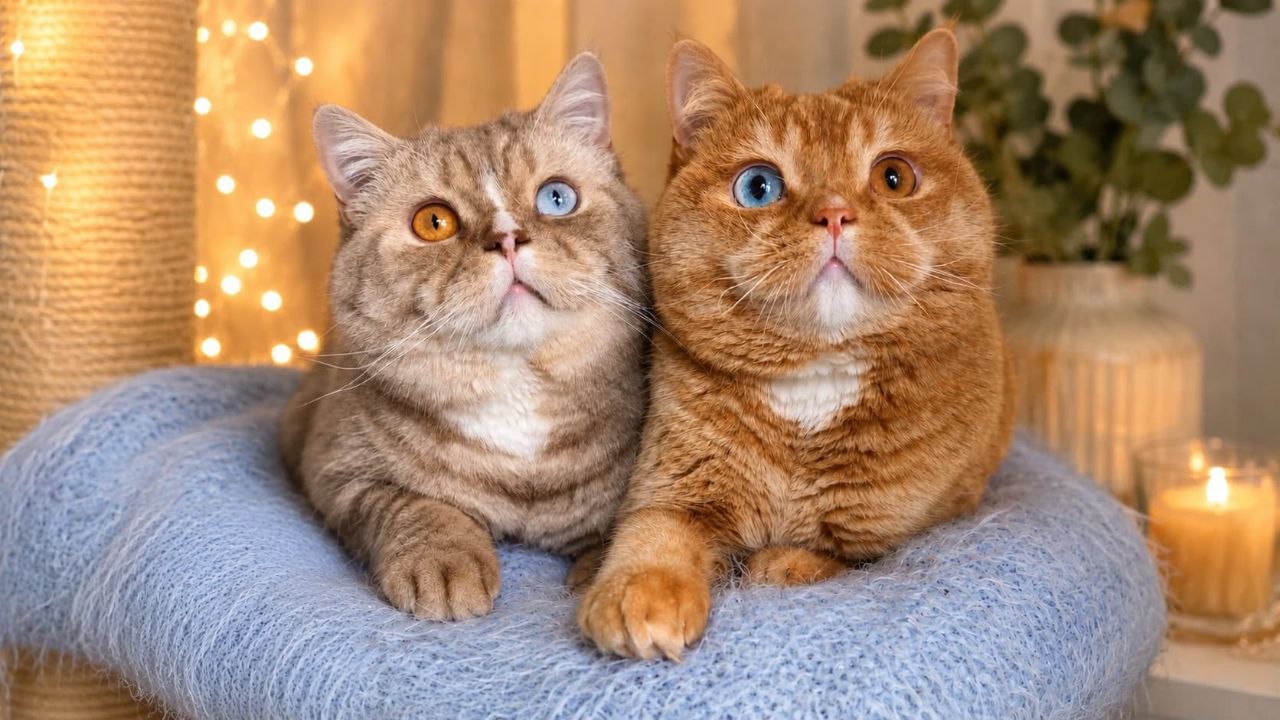
Prospective feline adopters searching for a companion with a pale, warm, golden-honey or pastel coat frequently search for a blonde british shorthair cat or inquire about a british shorthair blonde. Captivated by photos of soft, sun-kissed felines with round teddy-bear faces and luminous eyes, pet lovers assume that "blonde" is an official color variety within the British Shorthair breed. However, in formal international felinology, there is no color recognized as "blonde." The popular colloquial label is an umbrella term used by casual enthusiasts to describe several genetically distinct, highly sophisticated pedigree color divisions.
When an admirer refers to a blonde british shorthair cat, they are almost always looking at one of three official color varieties: Cream (EMS code BRI e), Fawn (EMS code BRI p), or a Golden Shaded / Shell (EMS codes BRI ny 11 / ny 12). Each of these varieties is governed by completely different genetic loci, pigment pathways, and breeding protocols under the Fédération Internationale Féline (FIFe Standard #729) and the World Cat Federation (WCF). At Grand Liberty, operating under Section 11 of the German Animal Welfare Act (§11 TierSchG) with official FIFe registration #729, our specialized breeding program preserves the genetic integrity and health of these rare pale varieties. Every breeding adult undergoes certified Laboklin DNA testing for Polycystic Kidney Disease (PKD1 N/N) and annual Doppler echocardiograms by board-certified veterinary cardiologists for Hypertrophic Cardiomyopathy (HCM). In this comprehensive genetic and felinological treatise, we decode the "blonde" phenomenon, analyze the underlying molecular color genetics, examine morphological breed standards, and detail daily grooming protocols for pale-coated felines.
Decoding the "Blonde" British Shorthair: The Three Distinct Genetic Phenotypes
To understand what feline enthusiasts truly mean when discussing a british shorthair blonde, one must analyze the three distinct coat divisions that create a light, golden, or cream appearance:
Phenotype 1: Cream British Shorthair (BRI e) – The Pastel Dilute of Red
The most common variety labeled as a "blonde British cat" is the solid Cream:
- *The Genetic Formula (d/d O): Cream is the dilute form of red (orange). The sex-linked Orange gene (O) converts dark eumelanin pigment into light phaeomelanin. When paired with the homozygous recessive dilution genotype (d/d*), the intense red-orange hue is softened into a delicate, powdered pastel cream.
- Visual Appearance: The coat is an even, pale, cool cream hue with a powdery, matte texture. Show standards demand a uniform shade without hot reddish tones or white patches. Ghost tabby rings on the tail or forehead are common in juveniles but should clear with adult maturity.
- Dermal Leather & Eye Pigment: The nose leather and paw pads are soft pink. The eyes are large, round, and saturated with brilliant deep copper or glowing orange.
Phenotype 2: Fawn British Shorthair (BRI p) – The Rare Dilute Cinnamon
The second and much rarer variety described as "blonde" or "champagne" is the exquisite Fawn:
- *The Genetic Formula (b^l/b^l d/d): Fawn represents the double dilute of the black pigment series. The recessive cinnamon allele (b^l) softens black eumelanin to a warm reddish-brown cinnamon. When combined with homozygous recessive dilution (d/d*), the cinnamon pigment is diluted into fawn.
- Visual Appearance: Fawn is a warm, rosy beige or powdered mushroom tone. It is distinctly warmer and more mushroom-toned than lilac (which has cool dove-grey tones), yet softer and less yellow than cream.
- Dermal Leather & Eye Pigment: The nose leather and paw pads display a unique pinkish-fawn or pale cocoa hue. The irises develop into intense glowing copper or deep amber.
Phenotype 3: Golden Shaded and Shell British Shorthairs (BRI ny 11 / ny 12)
Many people who search for a blonde british shorthair cat are actually mesmerized by a Black Golden Shaded or Golden Shell cat:
- *The Genetic Formula (Agouti A/-, Wideband Wb, Non-Inhibitor i/i):* Unlike solid cream or fawn cats, golden cats belong to the agouti (tabby) genetic series. The polygenic wideband gene complex pushes the dark black pigment out to the extreme tips of the hair shaft, leaving the lower 75% to 90% of each hair shaft bathed in a warm, glowing apricot-gold ground color.
- Visual Appearance: The feline exhibits a luminous apricot-honey undercoat tipped lightly with black on the back, flanks, and tail tip, giving the cat a radiant, halo-like glow.
- Dermal Leather & Eye Pigment: The nose leather is brick red outlined in black, and the paw pads are black or dark seal brown. Most dramatically, the eyes of golden shaded felines are vibrant emerald green or luminous turquoise, framed by dark eyeliner that creates striking visual contrast.
Genetic and Phenotypic Comparison: Decoding the "Blonde" Varieties
| Evaluated Feature | Cream (BRI e) | Fawn (BRI p) | Black Golden Shaded (BRI ny 11) |
|---|---|---|---|
| Colloquial Label | "Blonde" / Peach BSH | "Champagne" / Mushroom BSH | "Golden Blonde" / Chinchilla BSH |
| Primary Pigment | Phaeomelanin (Red/Orange) | Dilute Eumelanin (Cinnamon) | Eumelanin with Wideband complex |
| Genetic Formula | d/d O/- (Dilute Red) | b^l/b^l d/d (Dilute Cinnamon) | A/- B/- D/- Wb i/i (Agouti Golden) |
| Coat Tone | Pale powdered cream / pastel buff | Warm rosy-beige / soft mushroom | Glowing apricot-gold with black tipping |
| Nose Leather | Clean solid pink | Soft pinkish-fawn / pale cocoa | Terracotta brick-red with black rim |
| Paw Pad Color | Solid soft pink | Pinkish-fawn | Jet black or dark seal brown |
| Adult Eye Color | Deep copper / vibrant orange | Brilliant copper / glowing amber | Luminous emerald green / turquoise |
| Breed Rarity | Moderately uncommon | Exceptionally rare | Rare and highly sought-after |
Morphological Standards Under FIFe #729 and WCF
Regardless of whether a cat expresses cream, fawn, or golden shaded coloration, a purebred british shorthair blonde must embody the classic cobby architecture defined by international breed standards:
Massive Cranial Build and Smiling Expression
- Head Silhouette: The skull must be broad, spherical, and massive, resting on a short, thick, muscular neck. The contours of the head should form a circle from every angle.
- Cheek Jowls and Whisker Pads: Prominent, rounded jowls expand the lower cheeks, accentuated by well-padded vibrissal cushions that create the breed's signature calm, smiling expression.
- Ears and Eyes: The ears are small to medium, set wide apart on the skull with rounded tips. The eyes are large, fully round, and set widely apart, providing an open, gentle gaze.
Cobby Body, Heavy Boning, and Crisp Coat Texture
- Musculoskeletal Conformation: The body is compact, low to the ground (cobby), with a broad, powerful chest and strong, level backline. Legs are short, sturdy, and heavily boned, ending in neat, round paws.
- *Double Coat Crispness (Crisp):* The coat must be short, dense, and plush, featuring a substantial crimped undercoat that provides springy resilience. When brushed against the direction of hair growth, the coat should break cleanly rather than lie flat against the body.
Developmental Stages and Coat Grooming for Pale Felines
Raising a pale-coated British Shorthair involves specific pediatric stages and grooming practices:
Juvenile Color Maturation and Ghost Markings
- Ghost Tabby Clearance: In Cream (BRI e) and Fawn (BRI p) kittens, faint ghost markings often appear on the tail and forehead during the first 3 to 6 months. As adult guard hairs replace juvenile fur around 6 to 12 months, these markings clear into a uniform pastel coat.
- Preventing Sunlight Oxidation: Pale phaeomelanin and dilute hairs can tarnish under intense sun exposure. Filtered indoor lighting preserves a clean, balanced hue.
Preventing Facial Tear Staining on Pale Coats
- Daily Ocular Hygiene: Clean inner eye corners daily using sterile veterinary wipes to remove tear overflow before oxidation stains pale facial fur.
- Non-Porous Feeding Dishes: Ceramic or stainless steel bowls prevent bacterial harboring that causes feline chin acne and facial coat discoloration.
Health, Genetics, and Ethical Breeding Standards
Breeding pale varieties requires meticulous genetic oversight to ensure lifelong vitality:
Certified Laboklin DNA Testing for PKD1
Polycystic Kidney Disease (PKD1) is an autosomal dominant condition causing destructive renal cysts. At Grand Liberty, every parent cat is certified PKD1 N/N (clear) via Laboklin genetic sequencing, guaranteeing offspring are free of this defect.
Cardiovascular Screening: Doppler Echocardiography
Hypertrophic Cardiomyopathy (HCM) involves abnormal thickening of the left ventricular heart muscle. Because HCM is polygenic, breeding adults undergo annual Doppler echocardiographic exams by certified veterinary cardiologists.
Nutritional Architecture for Muscular and Coat Health
- High-Moisture Animal Protein: Complete wet diets containing at least 70% real meat (poultry, rabbit) supply natural taurine for cardiac and muscle health.
- Omega Fatty Acids: Supplementation with cold-pressed salmon oil provides EPA/DHA to support skin hydration and plush double coat resilience.
Pedigree Buyer Checklist for Pale / "Blonde" British Shorthair Varieties
If you are captivated by the idea of welcoming a blonde british shorthair cat into your home, follow this felinological verification protocol:
- [ ] Identify the Specific Official Color Variety: Clarify whether the breeder is offering an authentic Cream (BRI e), a rare Fawn (BRI p), or a Black Golden Shaded (BRI ny 11/12) kitten.
- [ ] Demand Official Pedigree Documentation: Require a certified multi-generation pedigree from an accredited world body (FIFe Standard #729, WCF, GCCF, or TICA) documenting official EMS color codes.
- [ ] Inspect Verified Laboklin Health Certificates: Review certified lab documentation proving both parents are PKD1 N/N clear and have recent cardiologist Doppler HCM clearance.
- [ ] Evaluate Eye Color Authenticity: Ensure the kitten’s eyes correspond to its coat genetics—intense copper/amber for Cream and Fawn; luminous emerald green for Golden Shaded.
- [ ] Verify §11 TierSchG Breeder Compliance: If adopting from Europe, ensure the cattery operates under official state veterinary licensing conforming to strict animal welfare standards.
- [ ] Confirm Nursery Socialization Timeline: Ensure the kitten remains with its mother and littermates until at least 12 to 14 weeks of age to ensure complete behavioral confidence and litter training.
- [ ] Prepare Specialized Grooming Tools: Acquire a fine-toothed steel greyhound comb and veterinary ocular wipes to maintain the coat and facial fur in immaculate condition.
While the term british shorthair blonde is a colloquial misnomer, the authentic varieties it describes—Cream, Fawn, and Golden Shaded—represent the pinnacle of felinological beauty and gentleness. By choosing a certified pedigree kitten backed by comprehensive genetic screening and ethical cattery standards, guardians ensure their serene companion provides decades of unconditional affection, dignified presence, and timeless beauty.