Royal and aristocratic names for British Shorthair cats honor the breed's historic standing as the quintessential aristocrat of the cat fancy. A distinguished pedigree name should combine historical British regal lineage—such as monarchical titles, ducal estates, and Victorian heritage—with acoustic precision. Ideal feline names feature two distinct syllables, crisp high-frequency vowels (such as an 'ee' sound), and sibilant or plosive consonants that optimize feline auditory processing and recall.
Noble Names for Male British Shorthair Cats
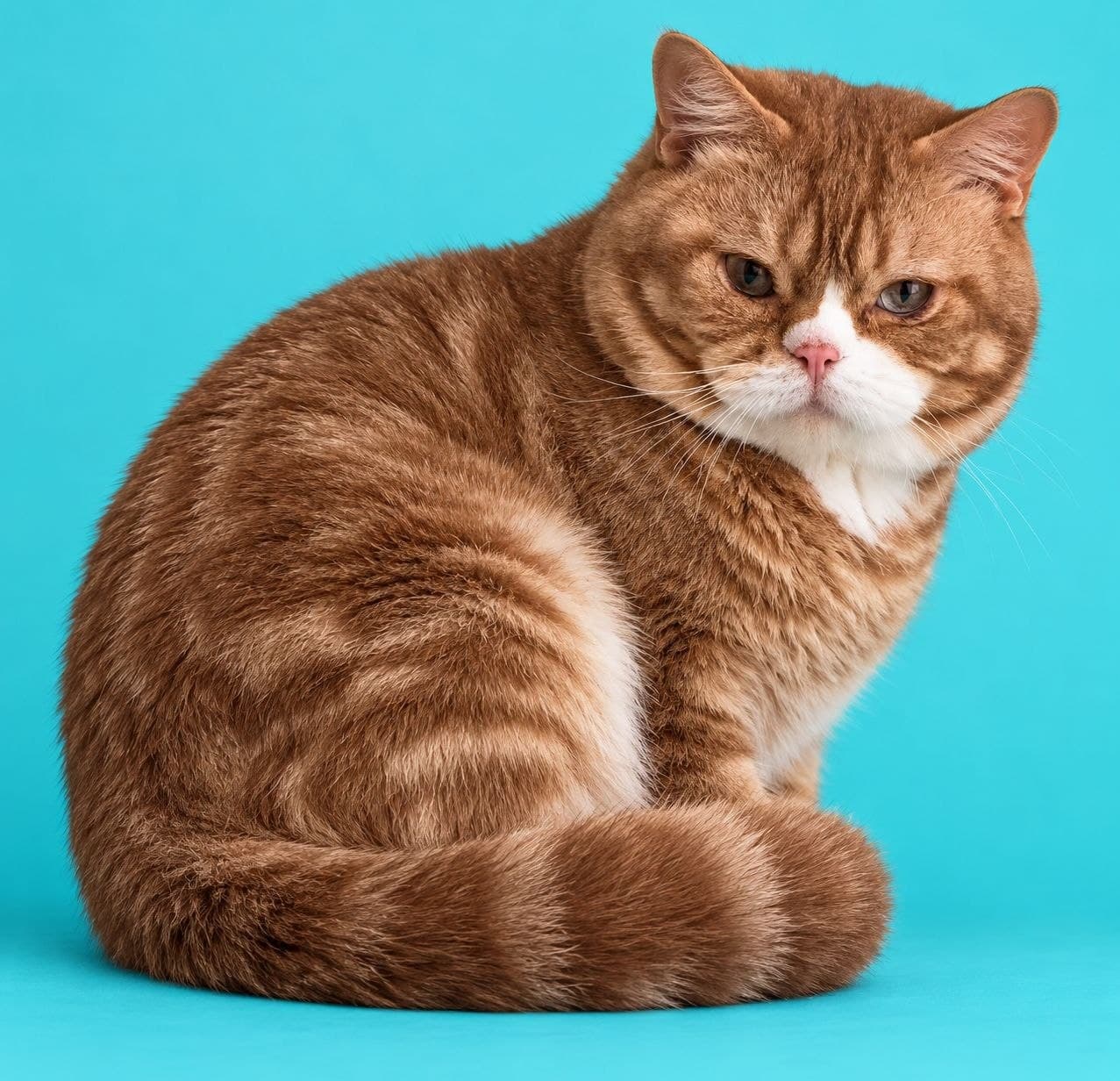
The male British Shorthair carries an imposing, cobby physique with a broad chest, substantial bone structure, and distinctive rounded jowls. Such dignified physical presence demands a title that echoes sovereignty, stoicism, and historical authority. Selecting noble names for male British Shorthair cats involves drawing from the annals of the British monarchy, chivalric orders, and historic peerages to mirror their commanding demeanor.
Monarchical lineages offer timeless options that suit the calm, self-assured temperament of intact or neutered British Shorthair males. Names derived from Saxon, Norman, and Plantagenet rulers impart ancestral gravity, while titles of rank reflect the cat's composure in show rings and domestic environments alike.
When assigning a noble male moniker, consider how the title rolls off the tongue during daily interactions. The goal is to marry regal weight with approachable clarity, ensuring your cat recognizes his appellation immediately without confusing it with negative commands.
- Alistair: Of ancient Scots-Gaelic nobility, conveying defensive strength and stately poise.
- Baron / Sterling: Evoking aristocratic distinction, high-grade silver hallmarks, and aristocratic poise.
- Churchill: Celebrating Britain's iconic statesman, ideally suited for a broad-jowled, resolute tomcat.
- Garrison: Derived from historic castle garrisons, fitting a protective, grounded male.
- Montague: A grand Anglo-Norman surname carried by high aristocracy and peerage houses.
- Rupert: Named after Prince Rupert of the Rhine, famous for martial courage and flamboyant high-court stature.
- Windsor: The quintessential dynastic crown surname, denoting unbroken heritage and poise.
Royal British Names for Female Kittens
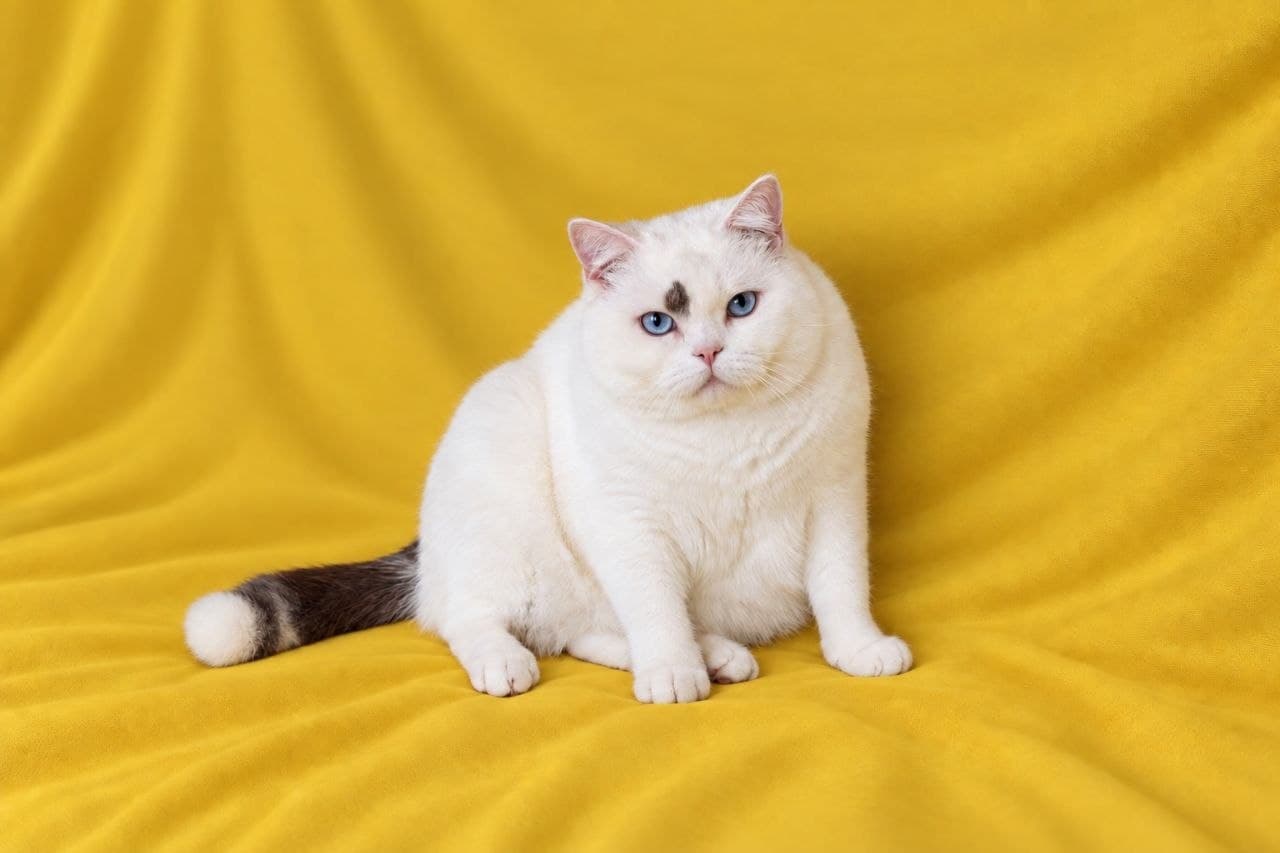
Female British Shorthairs exhibit compact muscle tone, rounded profiles, and a serene, composed intelligence. When curating royal British names for female kittens, the emphasis shifts toward grace, stately poise, and the distinguished matriarchs of British dynastic history. A regal female name highlights the cat's plush refinement while retaining an air of effortless sovereignty.
Historic queens, royal duchesses, and sovereign consorts provide an exhaustive reservoir of noble inspiration. These names resonate with classical European pedigree traditions and fit gracefully onto official FIFe or GCCF registration certificates, serving as an enduring mark of lineage.
An exceptional regal feminine name balances formal grandeur with affectionate abbreviations. It should feel equally fitting whether announced at a championship international cat show or whispered across a quiet living room during an evening grooming session.
- Beatrice: Bearing dynastic history through Queen Victoria's daughter, meaning bringer of joy.
- Camilla: Reflecting modern British royalty, exuding quiet resilience and classic country-estate warmth.
- Eleanor: Honoring Eleanor of Aquitaine, one of the most powerful and wealthy queens of the High Middle Ages.
- Gemma: Latin for precious jewel, traditionally favored in high-society English christenings.
- Henrietta: After Queen Henrietta Maria, wife of Charles I, representing classic Stuart grandeur.
- Margot: A sophisticated royal diminutive of Margaret, balancing pedigree distinction with lively charm.
- Victoria: The defining monarchical benchmark of 19th-century British industrial and imperial sovereignty.
Color Inspired Names for Lilac Chocolate Golden Cats
Color-specific genetics form the visual signature of the modern British Shorthair. While the traditional British Blue remains widely recognized, the dilute, self, and tipped varieties possess remarkable visual depth. Choosing color inspired names for lilac chocolate golden cats allows owners to align noble lineage with distinctive coat pigmentations.
Lilac British Shorthairs showcase a delicate, frosty lavender-grey coat with warm pinkish undertones, a recessive dilute expression of chocolate. Aristocratic names for lilacs draw from rare gems, historic English botanicals, and high-court pigments favored in royal portraiture.
Chocolate varieties, exhibiting rich, warm, chestnut-mahogany depth, align with landed gentry estates, heritage confectionery, and classic English leathercraft. Conversely, Golden Shorthairs (such as Black Golden Shaded or Ticked NY11 and NY12) evoke the regalia of crowns, imperial guineas, and gilded royal drawing rooms, demanding titles that honor warmth and brilliance.
- Lilac Noblesse - Lavender: Inspired by private English estate gardens and high-society lavender water.
- Lilac Noblesse - Ophelia: High-court Shakespearean drama with soft, poetic, silvery-mauve undertones.
- Lilac Noblesse - Sterling: Honoring the cool metallic sheen of the lilac cat's frosted guard hairs.
- Chocolate Nobility - Cadbury: The famed Royal Warrant holder for British chocolate craftsmanship.
- Chocolate Nobility - Godiva: Legendary noblewoman of Coventry, symbolizing rich, velvety elegance.
- Chocolate Nobility - Truffle: Celebrating rare, subterranean forest luxuries prized by aristocratic chefs.
- Golden Sovereignty - Aurelia: Derived from the Latin root for gold, ideal for NY11/12 shaded cats.
- Golden Sovereignty - Sovereign: Symbolizing the historic British one-pound gold bullion coin.
- Golden Sovereignty - Saffron: The world's most costly golden spice, reflective of warm honey undercoats.
Phonetic Rules for Naming Kittens Easy Recall
Selecting an aristocratic name requires understanding feline neurosensory mechanics. While humans value the historic gravitas of a name, cats respond strictly to acoustic frequencies, cadence, and syllable transitions. Implementing phonetic rules for naming kittens easy recall ensures that your kitten bridges the gap between official registered pedigree papers and effortless everyday recall.
Feline hearing excels at detecting high-pitched sounds, with optimal acoustic sensitivity extending up to 64,000 Hz. Names ending in high-frequency vowel terminations—specifically the long 'ee' sound (as in Darcy, Archie, or Poppy)—create a distinct auditory peak that catches a cat's attention much faster than flat, guttural endings. Furthermore, the inclusion of sibilant consonants (/s/, /sh/, /ch/) and sharp plosives (/k/, /t/, /b/) generates crisp acoustic transients that slice through ambient domestic noise.
Pedigree registry names can remain complex and expansive, but daily recall handles should be restricted to one or two syllables. Multisyllabic aristocratic designations such as 'Archibald of Nottingham' should naturally condense into an everyday call-name like 'Archie' to maximize positive reinforcement conditioning.
- Opt for two syllables: Creates an easily identifiable rhythm, minimizing acoustic confusion.
- Favor high-vowel endings: Phonemes ending in /i/ trigger elevated feline sensory alertness.
- Incorporate sibilants and plosives: Consonants like S, SH, K, and T provide sharp acoustic cues.
- Avoid conflict with house cues: Ensure the name does not rhyme with operational words like 'No' or 'Go'.
Curated List of Victorian British Cat Names
The British Shorthair as a recognized show breed traces its pedigree genesis directly to Victorian England. In July 1871, Harrison Weir organized the world's first formal cat show at the Crystal Palace in London, where the British Shorthair was celebrated for its robust symmetry, plush double coat, and native British resilience. Using a curated list of Victorian British cat names roots your companion in this defining golden age.
Victorian society was characterized by precise social etiquette, imperial prestige, and rich romantic literature. Choosing an authentic name from this era imparts authentic 19th-century charm, drawing from beloved literary protagonists, distinguished statesmen, and historic country-house culture.
These Victorian selections pair seamlessly with the breed's serene, patient disposition, offering dignified charm that honors the formative era of the British fancy.
- Archibald: Stately Victorian gentleman's moniker, abbreviating charmingly to 'Archie'.
- Bartholomew: A heavyweight, historic moniker reflecting Victorian ecclesiastical and scholarly prestige.
- Clementine: A graceful Victorian feminine favorite, evoking soft warmth and aristocratic manners.
- Darwin: Honoring Charles Darwin, the Victorian era's most celebrated evolutionary naturalist.
- Florence: Immortalized by Florence Nightingale, radiating quiet resilience and noble purpose.
- Gideon: An evocative 19th-century classic symbolizing enduring steadiness and resolve.
- Penelope: A high-society Victorian literary staple embodying loyalty, craft, and dignity.
The Pedigree Royal Naming Protocol Checklist
- Select a formal two-part pedigree name for official registration documents (e.g., Lord Sterling of Grand Liberty).
- Establish a concise, one- or two-syllable daily call-name (e.g., Sterling).
- Audit acoustic components: Prioritize high-frequency ending vowels and crisp sibilant consonants.
- Check against everyday household commands to prevent auditory confusion during training.
- Match the moniker with your cat's specific color variety, bone structure, and emerging personality.
- Perform a 3-day vocalization test: Call the chosen name during meal times to verify responsiveness.
Summary & Next Steps
A pedigree British Shorthair deserves a title that honors both its noble British heritage and feline cognitive biology. Whether selecting an imposing monarchical male name, a graceful female Victorian title, or a color-specific moniker for lilac, chocolate, or golden coats, ensure the daily call-name features crisp phonetics for effortless recall. Once your kitten arrives from our cattery, pair their registered pedigree paperwork with their everyday call-name during gentle positive-reinforcement conditioning.
Sources & References
- Governing Council of the Cat Fancy (GCCF) - British Shorthair Breed Standard & Registration Policy
- Fédération Internationale Féline (FIFe) - Category III Breed Standards: British Shorthair
- Weir, Harrison. Our Cats and All About Them. London: Houghton, Mifflin & Co., 1889.
- Bradshaw, John W. S. The Behaviour of the Domestic Cat. CABI Publishing, 2012.