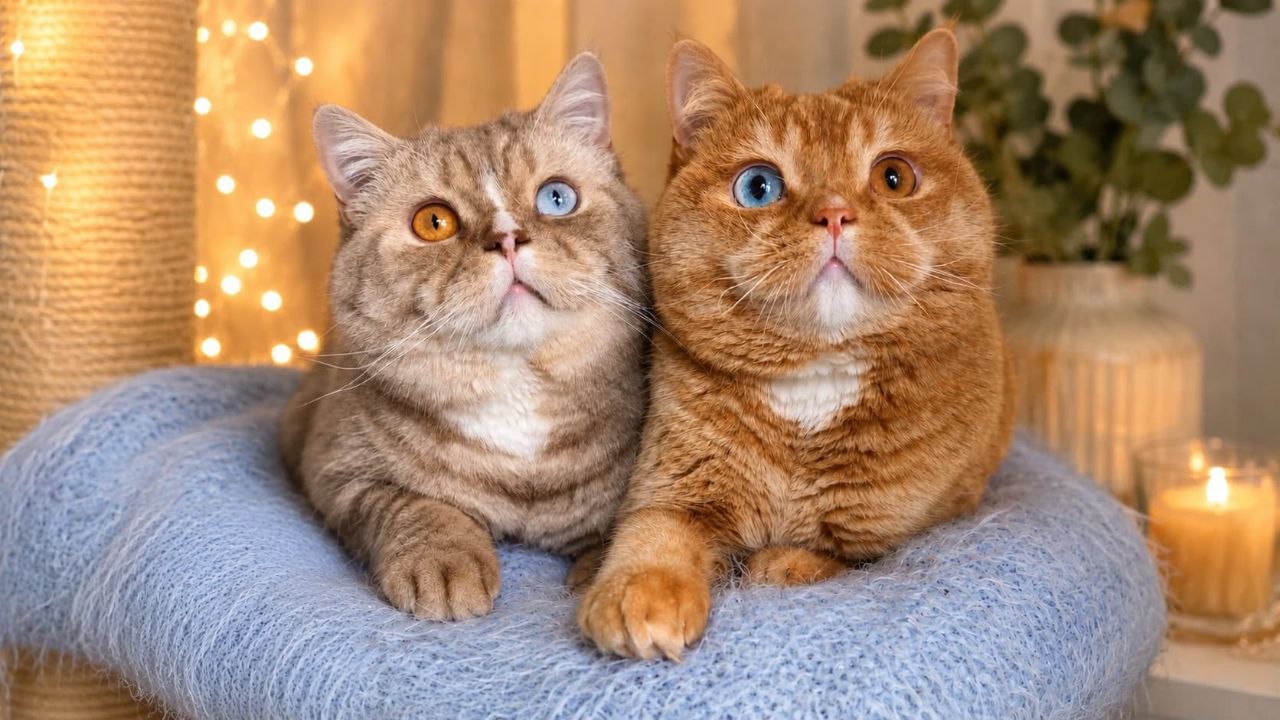
Selecting a british shorthair female kitten is an exciting milestone for prospective feline guardians seeking an elegant, affectionate, and poised pedigree companion. When choosing between a male and a female kitten, buyers often wonder how sex influences adult body size, facial architecture, independent behavior, and long-term healthcare requirements. In commercial pet forums, countless anecdotal myths circulate regarding feline gender differences, ranging from claims that females are aloof to assertions that males are universally more cuddly. In reality, while sex hormones establish distinct physiological growth patterns and adult dimensions, individual temperament is primarily shaped by early nursery socialization and genetic lineage.
Under the breed standards of the Fédération Internationale Féline (FIFe Standard #729) and the World Cat Federation (WCF), the British Shorthair exhibits pronounced sexual dimorphism. A mature male british shorthair develops massive, broad cheeks and heavy bone density, whereas a female showcases refined, harmonious proportions, retaining an exquisite feminine expression while embodying the classic cobby standard. At Grand Liberty, operating under Section 11 of the German Animal Welfare Act (§11 TierSchG) with FIFe registration #729, our breeding lines undergo rigorous health screening including Laboklin DNA testing for Polycystic Kidney Disease (PKD1) and annual Doppler echocardiograms for Hypertrophic Cardiomyopathy (HCM). In this comprehensive comparative guide, we examine physical and behavioral contrasts between sexes, map female growth trajectories, and detail modern veterinary spaying protocols.
Sexual Dimorphism: Comparing British Shorthair Male and Female Physical Traits
Sexual dimorphism—the systematic phenotypic difference between sexes of the same species—is exceptionally pronounced in the British Shorthair:
Weight and Bone Density Dimensions
- Adult Male British Shorthair (5.5 – 8.5 kg): The british shorthair male is a powerhouse of dense muscle and massive bone structure. Males possess exceptionally wide shoulders, broad deep chests, and thick, sturdy legs that give them a commanding, low-slung presence.
- Adult Female British Shorthair (3.5 – 5.5 kg): The female british shorthair kitten grows into a medium-to-large, compact feline. While noticeably lighter and more agile than her male counterpart, an authentic female must never appear delicate, frail, or slender like an oriental breed; she retains a firm cobby torso, broad chest, and solid muscular substance.
Cranial Architecture and Facial Expression
- Stud Jowls in Males: Intact and late-neutered males develop expansive, fleshy jowls flanking the mandible, creating a distinctly circular, bulldog-like countenance with an impressive, imposing expression.
- Feminine Sweetness in Females: A female exhibits a broad, rounded skull with full cheeks, but her jowls are more contoured and refined. Her facial geometry highlights large, wide-set eyes, imparting a gentle, cherubic expression often described as sweet, alert, and harmonious.
Male vs Female Morphological Matrix
| Phenotypic Characteristic | British Shorthair Female (FIFe #729) | British Shorthair Male (FIFe #729) | Practical Guardian Consideration |
|---|---|---|---|
| Mature Adult Weight | 3.5 – 5.5 kg (Compact, dense cobby frame) | 5.5 – 8.5 kg (Massive, heavy muscular frame) | Females are easier to carry; lower daily food intake |
| Cranial Geometry | Rounded, full cheeks, refined feminine contour | Extremely broad, massive jowls framing the jaw | Males showcase maximum roundness; females display elegance |
| Chest & Bone Substance | Broad, medium-heavy boning, compact paws | Exceptionally broad brisket, heavy bone density | Males require sturdier, wide-diameter cat trees |
| Energy & Agility | Agile, graceful, inquisitive, light on her feet | Placid, heavy, grounded, relaxed rolling gait | Females frequently enjoy vertical wall perches more |
| FLUTD / Urethral Risk | Very low urethral blockage risk due to wide anatomy | Higher risk of acute urethral obstruction | Males require strict hydration monitoring |
| Hormonal Surgical Cost | Spaying (€150–€300, intra-abdominal procedure) | Castration (€80–€150, external scrotal surgery) | Spaying is a more complex surgical procedure |
Temperament and Behavioral Dynamics: Debunking Feline Gender Myths
Prospective families often ask whether a british shorthair female kitten displays a different personality than a male british shorthair. While both sexes inherit the calm, composed, and non-destructive disposition of the breed, subtle behavioral nuances frequently emerge:
The Poised, Observant Empress: Female Personality Nuances
Female British Shorthairs are renowned for their keen intelligence, dignified independence, and deep loyalty. A female often acts as the gentle manager of the household. She enjoys participating in family life, curling up beside your desk during work hours, and greeting you warmly at the door. Females tend to be discerning with their affection: while deeply loving toward their chosen family, they value personal autonomy and prefer gentle back and chin scratches over being constantly carried around like an infant.
The Easygoing Giant: Male Personality Nuances
Males are frequently described as slightly more clownish, placid, and openly affectionate. Their heavy build makes them less inclined toward acrobatic climbing and more focused on finding the softest rug or sunny patch of hardwood floor for an afternoon nap. Males tend to be universally welcoming of visitors and display an easygoing, uncomplicated approach to daily domestic routines.
Environmental Conditioning Overrides Sex
It is vital to recognize that temperament is 80% genetics and nursery socialization, and only 20% biological sex. A female british shorthair kitten raised in an enriched home environment with positive human interaction will be affectionate, trusting, and cuddly, just as a neglected male will develop fearful or defensive behaviors.
Pediatric Growth Chart and Developmental Curves for Females
Because British Shorthairs mature slowly over three to four years, monitoring steady weight gain ensures your kitten develops healthy skeletal density without accumulating visceral fat:
- 2 Months (8 Weeks): 800 – 1,100 grams. Transitioning to solid high-protein wet food; lively motor play.
- 3 Months (12 Weeks): 1,200 – 1,700 grams. Developing juvenile coat density; strong social bonding.
- 4 Months (16 Weeks): 1,700 – 2,300 grams. Ready to transition safely to her new family home.
- 6 Months (24 Weeks): 2,500 – 3,200 grams. Permanent dentition established; hormonal puberty window begins.
- 12 Months (1 Year): 3,200 – 4,200 grams. Adult height achieved; cranial broadening and cheek filling continue.
- 24 to 36 Months: 3.5 – 5.5 kg. Full adult skeletal and muscular maturity achieved.
Veterinary Spaying Protocol: Optimal Timing, Anesthesia, and Aftercare
For families welcoming a pet-quality female british shorthair kitten, neutering (ovariohysterectomy or ovariectomy) is an essential veterinary milestone:
1. Optimal Timing Window (5.5 to 7 Months): Modern feline medicine recommends spaying before the first estrus (heat) cycle, typically between 5.5 and 7 months of age. Spaying before the first heat cycle reduces the lifetime risk of malignant mammary adenocarcinoma by more than 91% and completely eliminates the risk of life-threatening uterine infections (pyometra). 2. Pre-Operative Veterinary Safety Protocols: Prior to surgery, ensure your veterinarian conducts a pre-anesthetic blood panel (assessing renal and hepatic function) and uses modern inhalation anesthesia (isoflurane or sevoflurane) with continuous multiparameter monitoring (ECG, capnography, pulse oximetry). 3. Minimally Invasive Techniques: Whenever available, opt for laparoscopic (keyhole) spaying. Laparoscopy involves two tiny incisions (3–5 mm), significantly reducing post-operative pain, eliminating the need for wound licking, and shortening recovery time to 48 hours. 4. Post-Operative Convalescence: Provide a soft, low recovery bed in a quiet room. Use a soft fabric medical pet recovery suit (Body) rather than an uncomfortable plastic cone. Administer prescribed veterinary analgesics (such as meloxicam) for 3 to 5 days to ensure painless healing.
Practical Husbandry Checklist for Your British Shorthair Female Companion
To keep your female companion flourishing in top physical condition throughout her life, implement this tailored care routine:
- [ ] Species-Appropriate Moisture-Rich Nutrition: Feed complete wet meals containing at least 70% animal protein. While females have a lower daily caloric requirement than males (approx. 180–220 kcal/day), they require high animal protein to maintain firm muscle tone.
- [ ] Vertical Environmental Enrichment: Install secure, wall-mounted cat shelves and multi-level scratching towers. Females love observing their surroundings from elevated vantage points.
- [ ] Weekly Coat Conditioning: Brush the dense double coat once or twice weekly using a professional dual-length stainless steel comb. Females generally maintain clean personal hygiene, making weekly brushing sufficient outside seasonal molts.
- [ ] Weight Monitoring Post-Spay: Following spaying, metabolic energy requirements drop by approximately 20–25%. Monitor your female's body weight monthly to adjust portions and prevent sedentary adiposity.
- [ ] Bi-Annual Preventative Wellness Checks: Maintain annual core vaccinations, periodic fecal screenings, and regular dental checkups to support a long, vibrant life.
The Grand Liberty Standard of Excellence
At Grand Liberty, our female kittens represent the culmination of world-class pedigree stewardship, loving socialization, and rigorous veterinary medicine. Operating under official state animal welfare licensing (§11 TierSchG) and registered with FIFe (#729) and WCF, our cattery raises every litter in a spacious home nursery.
All our breeding queens and stud sires are verified 100% negative (N/N) for Polycystic Kidney Disease (PKD1) via certified Laboklin DNA testing and undergo annual Doppler cardiac ultrasound examinations by certified cardiologists to guarantee freedom from Hypertrophic Cardiomyopathy (HCM). When you adopt a Grand Liberty kitten, you receive an authentic multi-generational pedigree, complete immunization and microchip records, a comprehensive veterinary health guarantee, and lifetime guidance from an experienced master breeder.
We invite prospective guardians to discover our exceptional breeding cats, view our available kittens, and review our transparent billing and European courier delivery policies. To speak directly with our team about selecting the perfect kitten for your family, arrange an appointment via our master breeder consultation service.