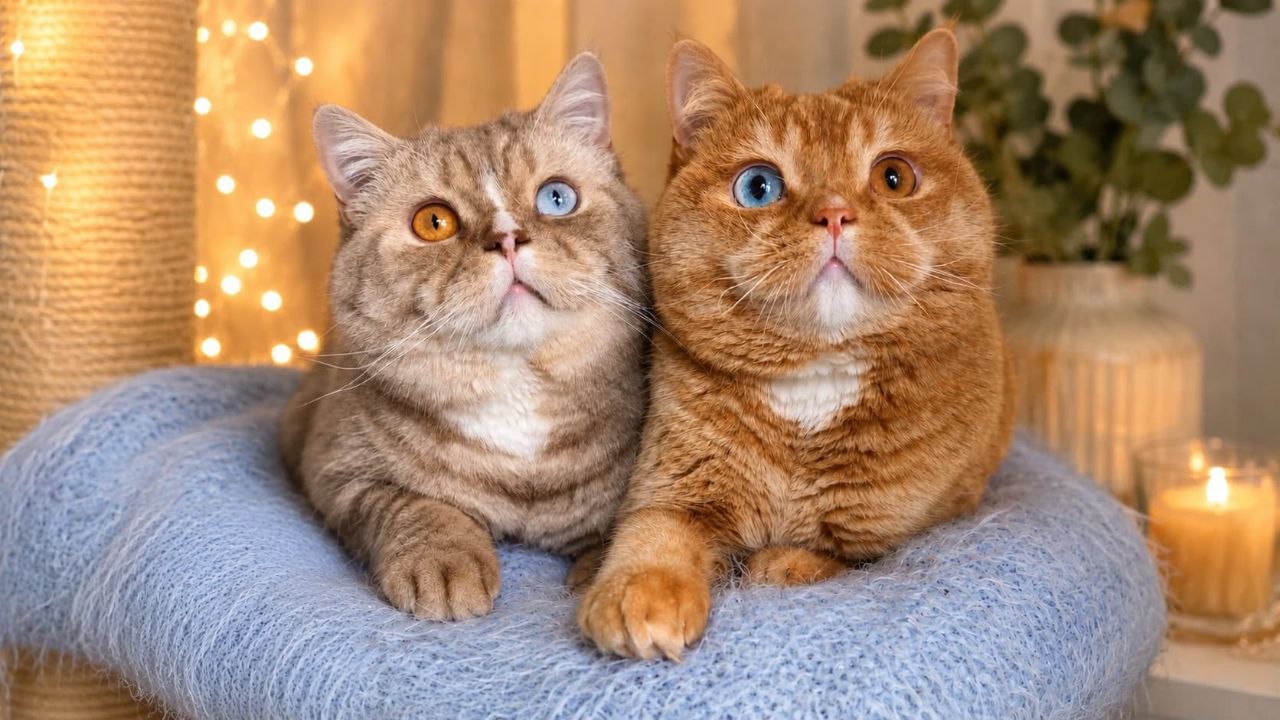
Observing a british shorthair kitten playing offers a delightful window into the natural predatory instincts, physical agility, and gentle intelligence of this ancient breed. Unlike hyperactive, vocal breeds that demand continuous climbing and frantic chasing, the British Shorthair exhibits a distinctive, tactical style of play. They are patient, methodical stalkers who observe their target with calculated concentration before executing short, explosive sprints, high-precision pounces, and celebratory bunny kicks. At Grand Liberty (FIFe registration #729, WCF, licensed under §11 TierSchG in Germany), we emphasize early environmental enrichment to nurture robust neuromuscular coordination and confident social behavior from the very first weeks of life.
Understanding how to engage in structured playtime is essential for maintaining your cat's lifelong physical and psychological health. Because British Shorthairs possess a cobby, heavy-boned morphology and a calm disposition, establishing active play routines during the juvenile phase is the most effective clinical defense against sedentary habits and feline obesity. Prospective adopters exploring our litters through kittens for sale will find kittens whose play confidence and social stability have been meticulously shaped through maternal guidance and structured enrichment.
Play Dynamics and Predatory Motor Patterns of a British Shorthair Kitten
A growing british shorthair kitten playing is not merely burning excess calories; it is running essential neurological software that refines hunting instincts, balance, and sensory integration.
The Four-Phase Feline Predatory Cycle
Play behavior in felids is an evolutionary rehearsal of the predatory hunting sequence. A complete play cycle must include four distinct stages: 1. The Stalk: The kitten drops its body low to the floor, tucks its paws beneath its chest, and observes the target with dilated pupils and rhythmic tail twitching. 2. The Ambush and Sprint: The kitten leverages its muscular hindquarters to launch forward across short distances, navigating corners with agility. 3. The Pounce and Pin: The kitten lands its front paws squarely on the toy, holding it against the floor while biting the simulated neck or wing area. 4. The Rake (Bunny Kick): Gripping the target with its forelimbs, the kitten rolls onto its side and executes rapid, alternating kicks with its powerful hind paws, simulating the disabling of prey.
The Problem with Unresolved Chasing (Laser Toys)
While laser pointers can spark quick sprints, they present a significant psychological risk if used incorrectly. Because a laser point has no physical mass, a kitten can never catch, bite, or feel its prey. Over time, this failure to complete the predatory loop leads to frustration, redirected aggression, or obsessive searching behavior. When using a laser, always transition the red dot onto a tactile, kickable toy at the end of the session, allowing the kitten to experience the satisfaction of a physical capture.
Structured Enrichment: Best Toys for Playing with British Shorthair Kitten
Selecting the right equipment when playing with british shorthair kitten ensures engagement without risking intestinal foreign body obstruction or accidental injury.
High-Impact Interactive Wand Toys
Interactive wands featuring natural feathers, leather strips, or deer hair (such as the renowned Da Bird series) are the gold standard for British Shorthairs. They replicate the unpredictable, fluttery motion of birds and insects. Manipulating the wand so that the lure darts behind furniture, ducks under rugs, and briefly pauses in cover activates the kitten's tactical ambush drive.
Tactile Kickers and Plush Prey
Soft, oblong plush toys infused with organic catnip or silvervine (Actinidia polygama) provide the ideal outlet for bunny-kicking routines. At four to six months of age, as juvenile canines erupt, kittens experience sore gums and an intense urge to gnaw; textured chew toys satisfy this oral drive safely.
Food Puzzles and Cognitive Foraging
British Shorthairs are natural problem-solvers. Introducing rolling puzzle balls, maze boards, and slow-feed activity mats transforms mealtime into a stimulating cognitive challenge. Foraging toys prevent rapid food gulping, extend digestive satiety, and keep solitary indoor kittens mentally engaged throughout the day.
Heavy-Duty Climbing and Scratching Infrastructure
A lightweight cat tree designed for smaller domestic cats will wobble and potentially tip under the weight of a sturdy British Shorthair. Scratching posts and activity towers must feature:
- Solid wood or heavy compressed bases with a broad center of gravity.
- Extra-thick natural sisal rope columns (minimum 12–15 cm diameter) allowing full vertical body extension.
- Padded perches and sleeping bowls capable of comfortably supporting an adult weight of 5 to 8 kilograms.
Obesity Prevention Through Interactive Play Routines
The British Shorthair's serene demeanor and dense body structure make the breed disproportionately susceptible to juvenile and adult weight gain. Unlike more active breeds that exercise spontaneously, British Shorthairs rely heavily on their human companions to initiate structured cardiovascular activity.
| Age Stage | Daily Play Duration | Target Heart Rate Activities | Weight Control Focus |
|---|---|---|---|
| 8–16 Weeks | 4 sessions of 10–15 minutes | Low-impact stalking, short pounces, rolling balls | Building bone density and neuromuscular coordination |
| 4–8 Months | 3 sessions of 15–20 minutes | High-energy wand chasing, vertical jumps, kicker wrestling | Maintaining lean muscle mass during primary growth spurt |
| 8–12 Months | 2 sessions of 20 minutes | Agility mazes, intense predatory sprints, retrieve games | Counteracting post-neutering metabolic rate reduction |
| Adult (1+ Years) | 2 sessions of 15 minutes | Sustained cardio wand play, cognitive puzzle foraging | Preventing visceral adiposity and joint strain |
Engaging your kitten in two to three structured 15-minute play sessions every day—ideally before scheduled meals—burns excess glucose, regulates insulin sensitivity, and ensures that caloric intake translates into lean muscle mass rather than visceral fat.
Play Etiquette: Establishing Bite Inhibition and Human Safety
One of the most critical responsibilities of a cat owner is establishing clear behavioral boundaries during play.
The Hands Are Not Toys Rule
Never use your bare fingers, hands, or feet to tease or wrestle with a kitten. While a nip from an eight-week-old kitten may seem harmless, allowing this habit to take root results in painful bites and scratches when the cat reaches an adult mass of 6 or 7 kilograms. All play must be channeled through a physical intermediary—a wand, a ball, or a plush toy.
Correcting Play Aggression
If a kitten latches onto your hand or ankle during a hyperactive play session: 1. Freeze Completely: Cease all motion immediately. Jerking your limb away mimics fleeing prey and triggers an instinctual tightening of the kitten's grip. 2. Issue a High-Pitched Interruption: Utter a sharp, high-pitched "Ouch!" or hiss sound, replicating the vocal feedback a mother cat or littermate uses when play exceeds safe boundaries. 3. Redirect to a Toy: Slowly slide a plush kicker toy into the kitten's paws while withdrawing your hand. 4. Disengage: Walk away calmly, temporarily ending all interaction for three to five minutes to signal that biting causes play to terminate.
Understanding how our breeding cats nurture and discipline their litters helps owners appreciate why kittens raised in our cattery arrive with exceptional social manners and bite inhibition.
Logistics, Acclimatization, and Breeder Guidance
When your kitten transitions to your home via our specialized billing and delivery terms, stress reduction through quiet, low-pressure play is a proven bonding tool. Introducing a familiar wand toy on the second day in a quiet room helps break through initial environmental hesitation, building trust between the kitten and its new family.
For tailored guidance on multi-cat introductions, optimizing apartment layouts for enrichment, or selecting breed-appropriate exercise gear, book an individual breeder consultation with our team.
10-Point Environmental Enrichment & Play Setup Checklist
Use this checklist to prepare an engaging, safe, and stimulating environment for your British Shorthair kitten:
- [ ] Procure Feather Wand Lures: Acquire high-grade interactive wand toys with replaceable bird-feather and insect attachments.
- [ ] Install an Anchored Scratching Post: Ensure at least one heavy-duty sisal scratching column (minimum 80 cm height) is anchored securely in the main living space.
- [ ] Eliminate Linear String Hazards: Remove loose threads, rubber bands, hair ties, and packaging cords that cause fatal linear foreign body impactions if ingested.
- [ ] Set Up Interactive Foraging Feeders: Introduce maze puzzles or treat balls to provide mental stimulation during solitary afternoon hours.
- [ ] Stock Textured Bunny Kickers: Provide durable canvas or plush kickers filled with organic silvervine or catnip for predatory wrestling.
- [ ] Establish Multi-Level Viewing Stations: Position a sturdy cat tree near a secure window to offer visual enrichment ("cat TV") overlooking bird baths or gardens.
- [ ] Formulate a Consistent Daily Schedule: Designate two dedicated 15-minute interactive play slots every morning and evening before scheduled meals.
- [ ] Enforce the Hands-Off Play Rule: Educate all household members and children to use toys exclusively, never hands or feet, during play.
- [ ] Provide Soft Rolling Balls: Distribute wool felt or ping-pong balls that roll smoothly across hard floors without loud plastic clatter.
- [ ] Prepare Safe Decompression Games: Store lightweight tunnel tubes or crinkle sacks for low-stress exploration during the kitten's initial adaptation days.