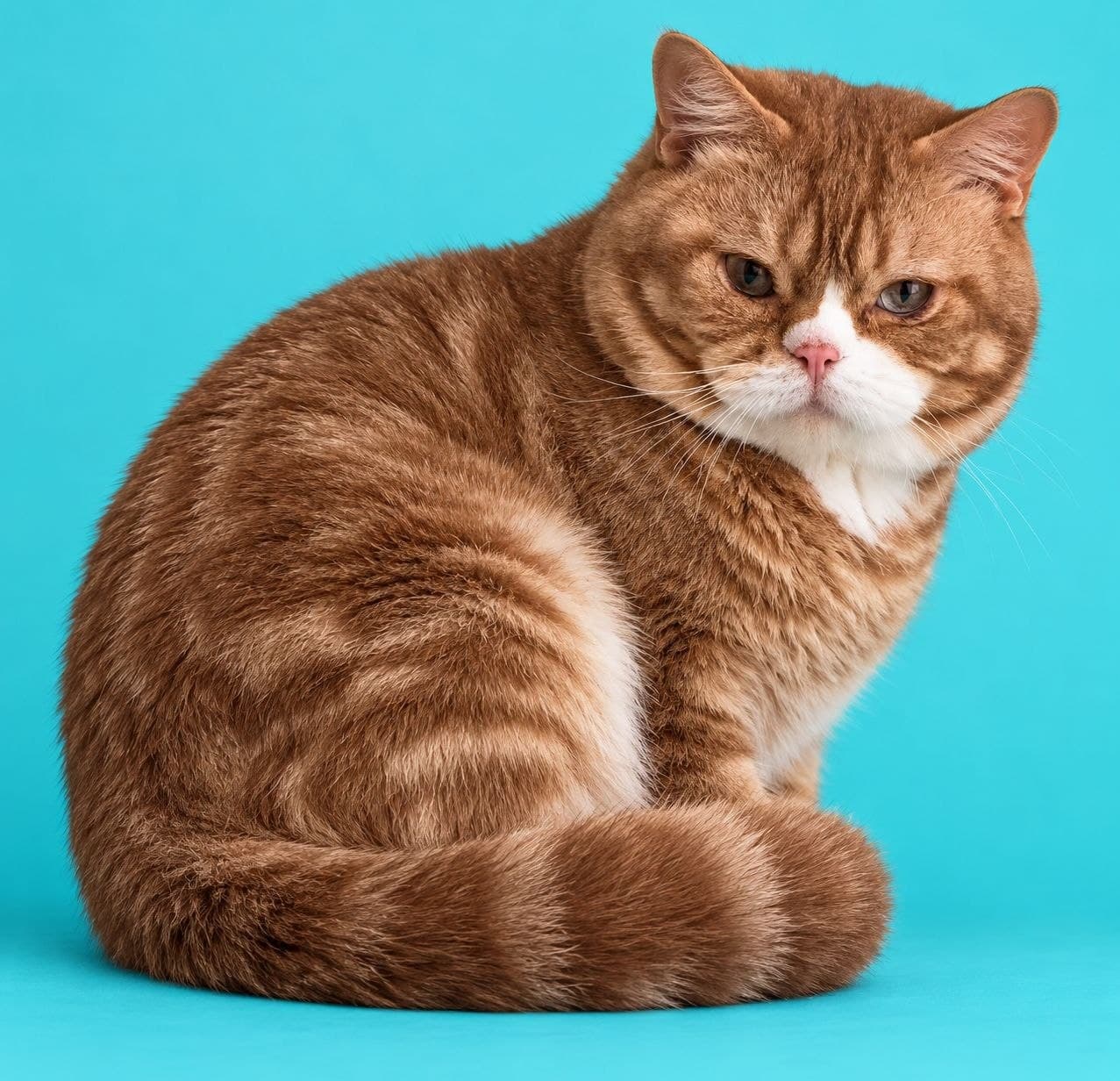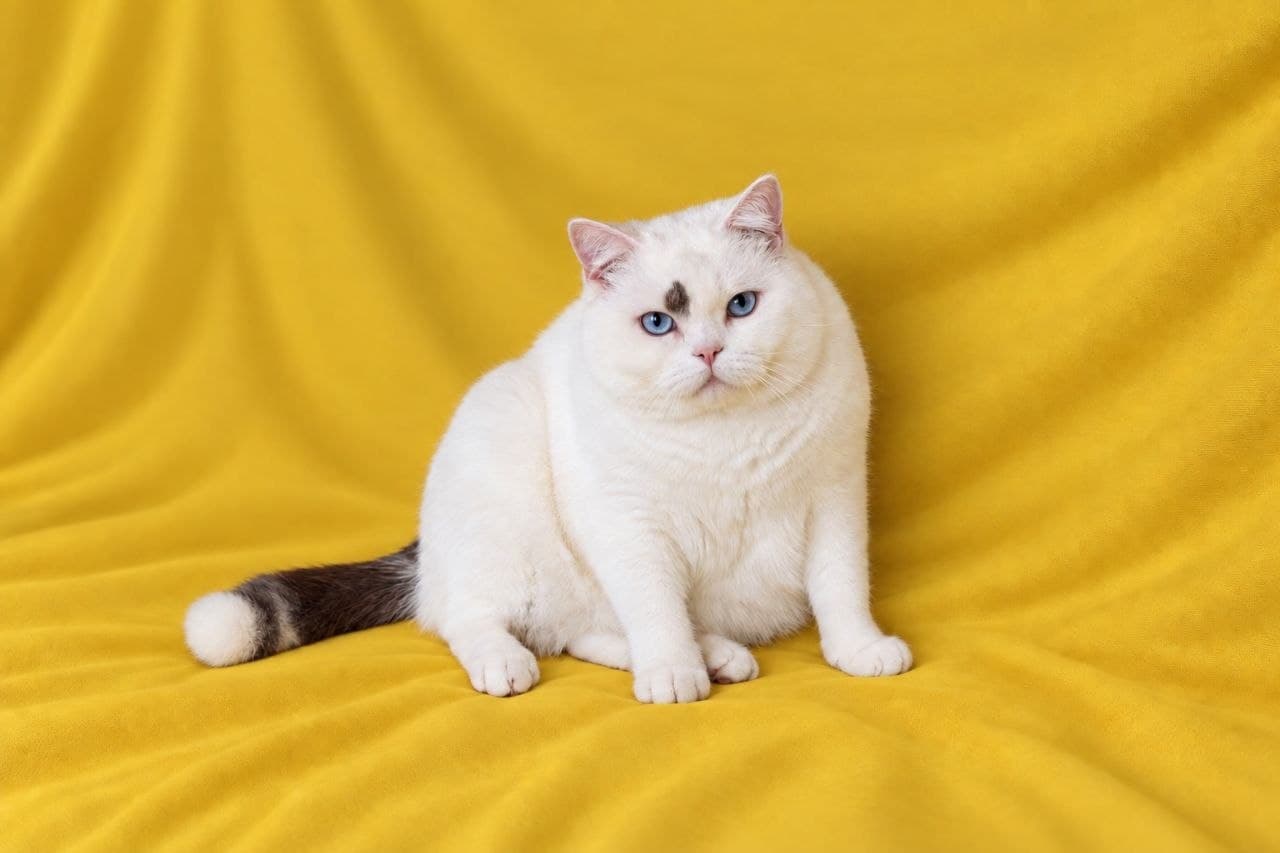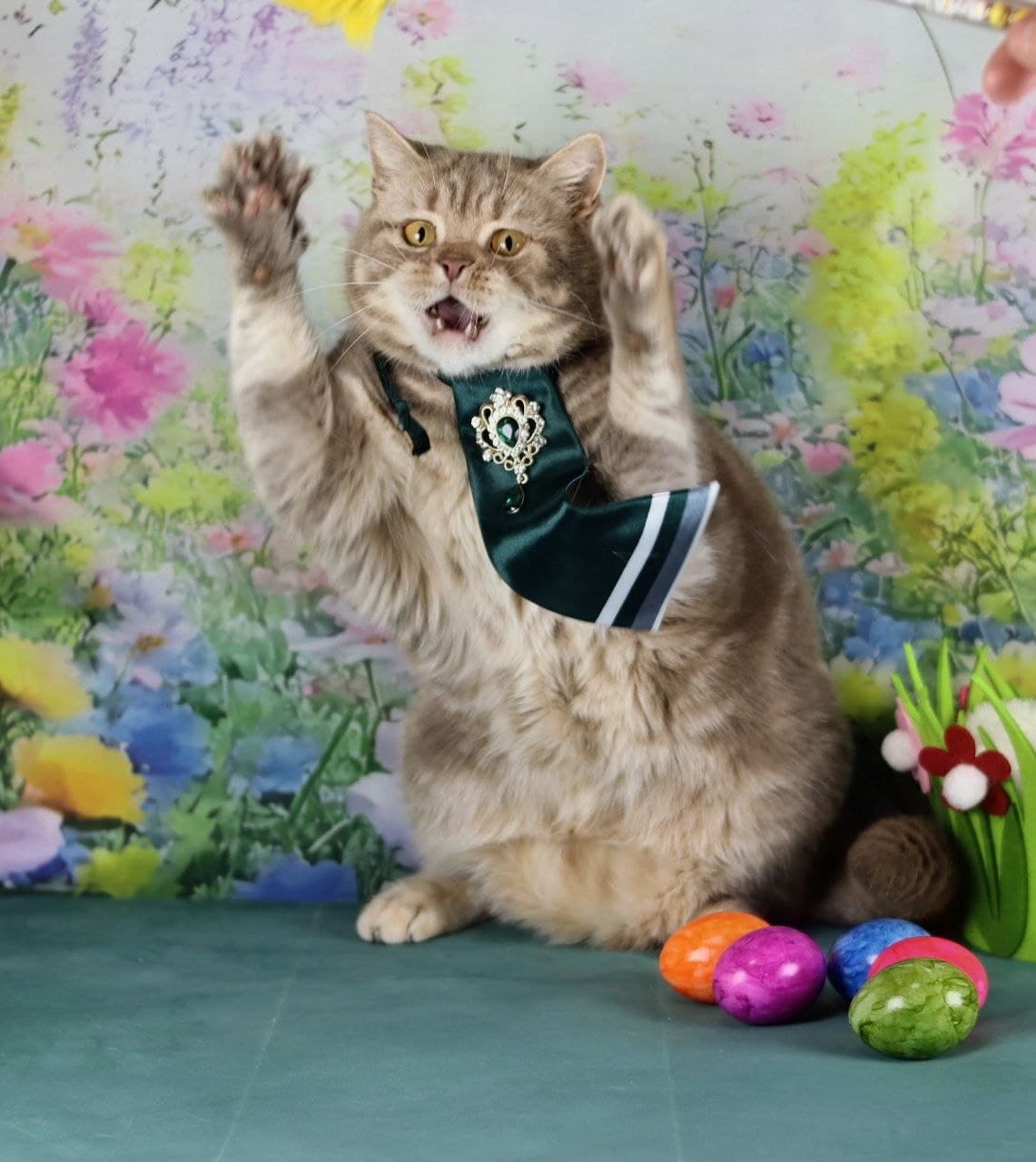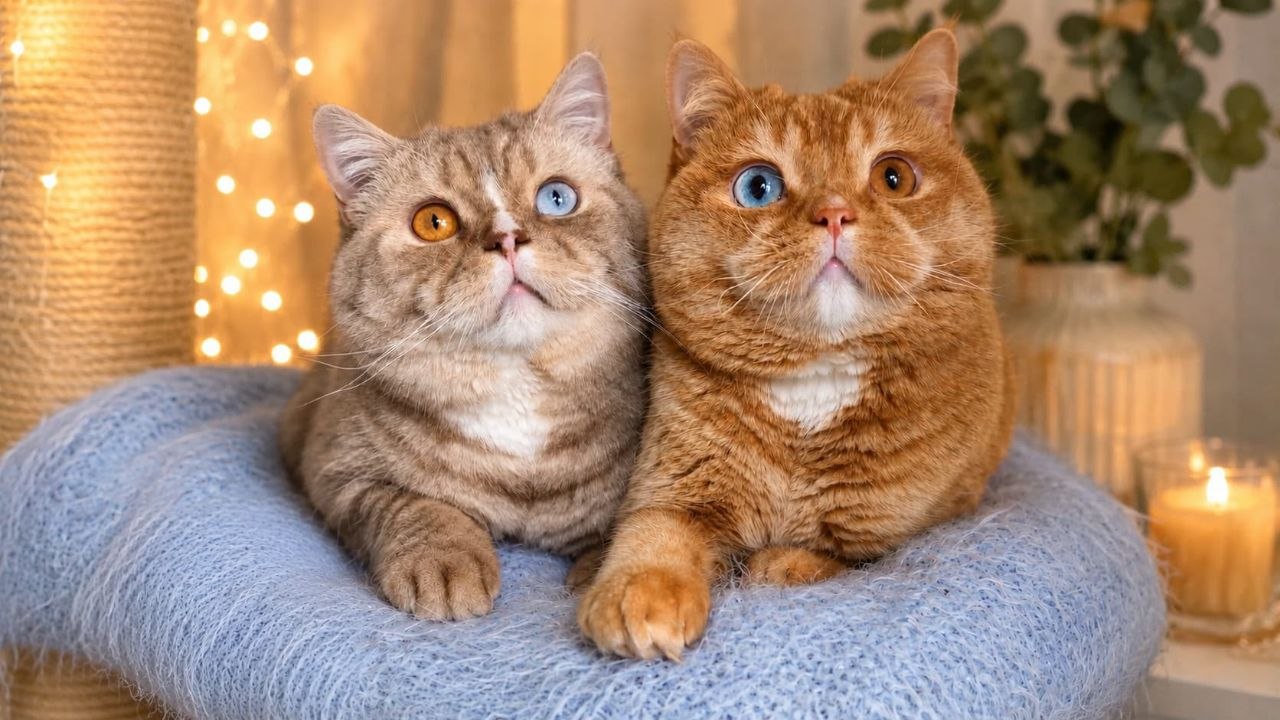
British Shorthair feline anatomy is characterized by a robust, semi-cobby physiological architecture built around an articulated skeleton averaging 244 bones. This biomechanical structure features floating clavicles embedded in muscle, high-density fast-twitch (Type II) muscle fibers powering explosive torque, an adult dentition formula of 30 specialized teeth, and an intricate vibrissae tactile network. Combined, these morphological elements grant the breed extraordinary stability, stealthy predatory locomotion, and sensory precision while maintaining the round, balanced contours mandated by international breed registries like FIFe.
The Skeletal System and Feline Flexibility
The skeletal framework of the British Shorthair consists of approximately 244 bones, with slight variations occurring in the caudal vertebrae of the tail, which typically number between 20 and 23. This osseous blueprint balances heavy structural density with remarkable kinetic agility. The axial skeleton features 7 cervical, 13 thoracic, 7 lumbar, 3 fused sacral, and the caudal sequence, providing the cat with an elastic, spring-like arch during gait progression. The intervertebral discs are thick and composed of highly pliant fibrocartilaginous tissue, allowing the spine to twist up to 180 degrees along its longitudinal axis.
Crucial to this skeletal system and feline flexibility is the vestigial floating clavicle (clavicula). Unlike primates or canids whose shoulder girdles are anchored by rigid bone-to-bone articulations, the British Shorthair possesses free-floating clavicular remnants suspended entirely within the deep pectoral and cleidobrachialis musculature. This morphological adaptation detaches the forelimbs from the sternum and axial skeleton, enabling dynamic shock absorption during vertical descents and allowing the cat to compress its broad, muscular shoulders through any opening wide enough to accommodate its zygomatic arches.
- Axial spine supported by 7 lumbar vertebrae that function as an elastic spring for dynamic extension.
- Suspended floating clavicles provide unrestricted shoulder range and low-impact landing absorption.
- High-density cortical bone structure tailored to support the heavier mass of the British Shorthair cobby form.
Cobby Muscular Structure and Locomotion
The breed standard defines the British Shorthair as a cobby cat, meaning it exhibits a compact, low-slung, and barrel-chested body plan. The underlying muscular system is predominantly composed of fast-twitch glycolytic (Type IIx/IIb) myofibers. These specialized fibers generate exceptional anaerobic power and rapid force generation, facilitating abrupt acceleration and high-force leaps despite the cat's substantial body mass, though they fatigue rapidly compared to slow-twitch endurance fibers.
Locomotion in the British Shorthair utilizes a specialized digitigrade stance, where the animal walks exclusively on its phalanges cushioned by robust fibro-fatty digital pads. The hindquarters are driven by pronounced gluteal and quadriceps muscle groups anchored to an exceptionally broad pelvis. In terms of movement dynamics, the breed displays a methodical, four-beat symmetrical walk, transitioning directly into an explosive rotary gallop during burst pursuit. This muscular distribution creates a low center of gravity, which grants remarkable balance on uneven surfaces and absolute stability during directional pivots.
Feline Dentition and Bite Conformation
As obligate carnivores, the dental morphology of the British Shorthair is strictly adapted for hyper-carnivorous mastication and shearing. Adult British Shorthairs exhibit a permanent dentition formula of 30 teeth: 12 incisors (I 3/3), 4 canines (C 1/1), 10 premolars (P 3/2), and 4 molars (M 1/1). The incisors are minute, chisel-like structures designed for grooming and delicate tissue manipulation, while the curved, conical canines possess deep periodontal anchors engineered to withstand substantial lateral shearing forces.
The primary functional shearing mechanism is executed by the carnassial apparatus, composed of the upper fourth premolar (P4) and the lower first molar (M1). These specialized teeth bypass one another with a scissor-like shearing motion that effortlessly cleaves muscle tissue. Ethical breeding guidelines under FIFe and German Animal Welfare Act Section 11 (§11 TierSchG) enforce a precise scissor bite where the upper incisors slightly overlap the lower incisors. Undesirable conformations, such as mandibular prognathism (undershot jaw) or brachycephalic malocclusions, are strictly avoided to ensure uncompromised respiratory, masticatory, and dental health throughout the cat's lifespan.
- Permanent dental formula: 2 x (Incisors 3/3, Canines 1/1, Premolars 3/2, Molars 1/1) = 30 total teeth.
- Carnassial pair (upper P4 and lower M1) provides scissor-action shearing rather than crushing or grinding.
- Strict adherence to scissor-bite conformation protects jaw alignment and prevents malocclusion-related gingivitis.
Whiskers Vibrissae and Sensory Navigation
The tactile navigation apparatus of the British Shorthair relies on specialized mechanoreceptive hairs known as vibrissae. While ordinary pelage emerges from superficial follicles, vibrissae originate deep within the subcutaneous tissue, enveloped by a blood sinus capsule (sinus hair) and dense clusters of trigeminal sensory nerve endings, including Merkel nerve endings and lamellar corpuscles. The most prominent array, the mystacial vibrissae, sits symmetrically on the prominent, rounded whisker pads that frame the British Shorthair muzzle.
These facial arrays are accompanied by superciliary vibrissae above the ocular orbits, genal vibrissae on the lower cheeks, and carpal vibrissae on the palmar surface of the forepaws. Mystacial vibrissae span a width exactly corresponding to the lateral borders of the cat's broad shoulders and skull, acting as a spatial calibrator in low-light environments. As a British Shorthair navigates dark or confined spaces, minute atmospheric pressure differentials displace the vibrissae shafts, transmitting instantaneous afferent sensory signals to the somatosensory cortex, thereby ensuring blind navigation and rapid, blind predatory strikes.
Unique Anatomical Features of British Cats
The British Shorthair presents a suite of unique phenotypic traits that differentiate it from other domestic felids while preserving natural functionality. The cranium is broad, round, and massive, exhibiting well-developed temporal crests and full zygomatic arches that anchor the hyper-developed masseter and temporalis muscles. Unlike extreme brachycephalic breeds, ethical standard compliance ensures an open nasopharyngeal passage with adequate nostril flare, preventing the respiratory distress associated with stenotic nares and elongated soft palates.
Another signature feature is the breed's dual-layered pelage. Composed of a crisp, dense outer coat intermeshed with a plush secondary undercoat, this fur density exceeds 10,000 hairs per square centimeter in select zones. The individual hair follicles produce a buoyant, weather-resistant barrier that cushions the underlying muscular torso without requiring excess grooming. The ocular globes are large, round, and spaced widely apart, housing an expansive tapetum lucidum that maximizes ambient photon absorption, thereby providing the British Shorthair with acute night vision suited for its ancestral predatory role.
Morphological & Anatomical Summary of the British Shorthair
- Total Bones: ~244 (including 20-23 caudal vertebrae)
- Shoulder Structure: Vestigial, muscularly floating clavicle for enhanced lateral flexibility
- Myofiber Profile: Dominant Type II fast-twitch fibers optimized for burst power
- Adult Dental Count: 30 teeth arranged in a classic carnassial scissor-bite conformation
- Tactile Networks: Mystacial, superciliary, genal, and carpal vibrissae anchored to sinus capsules
- Cranial Phenotype: Broad, round skull with robust zygomatic arches and non-occluded airways
Summary & Next Steps
Understanding the anatomical complexity of the British Shorthair illustrates why this robust cobby breed combines muscular force with feline agility. Explore our comprehensive veterinary guides to learn how targeted feline nutrition, skeletal supplementation, and preventative oral hygiene can support your British Shorthair's specialized anatomy through every life stage.
Sources & References
- Fédération Internationale Féline (FIFe) Breed Standard: British Shorthair Morphology & Conformation Guidelines
- Dyce, K. M., Sack, W. O., & Wensing, C. J. G. (2010). Textbook of Veterinary Anatomy (4th ed.). Saunders Elsevier
- German Animal Welfare Act (TierSchG) §11 Regulations on Ethical Breeding and Prevention of Extremes in Feline Phenotypes