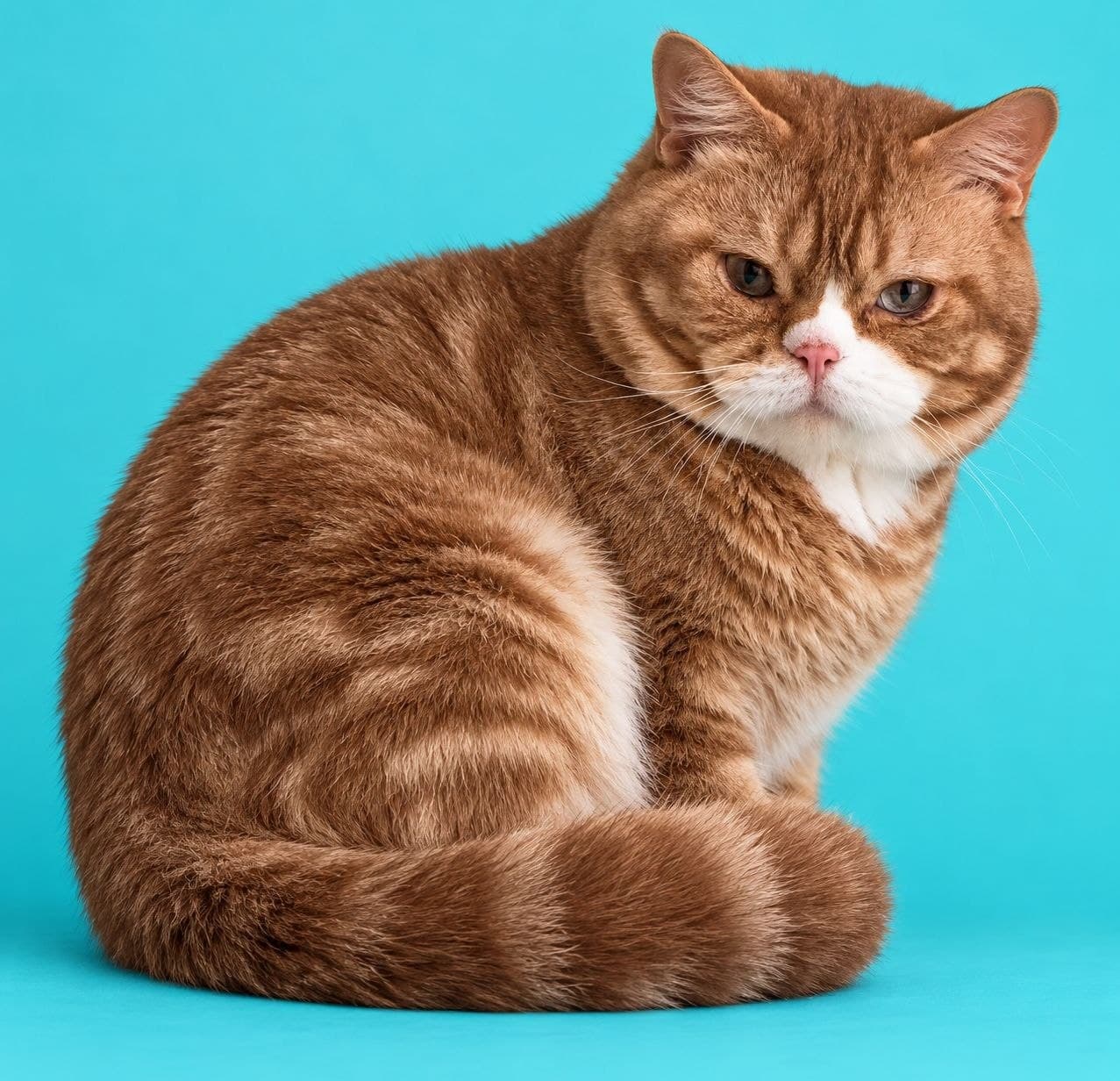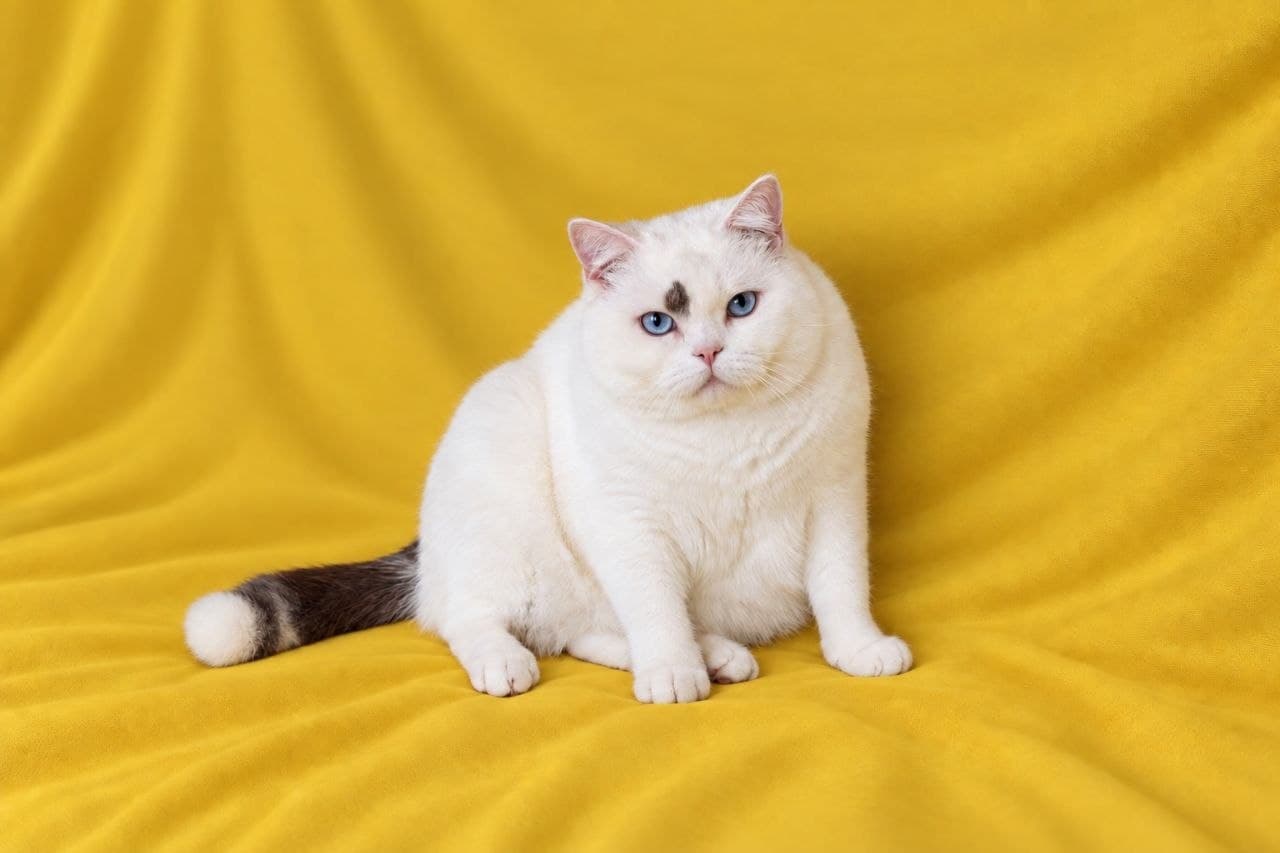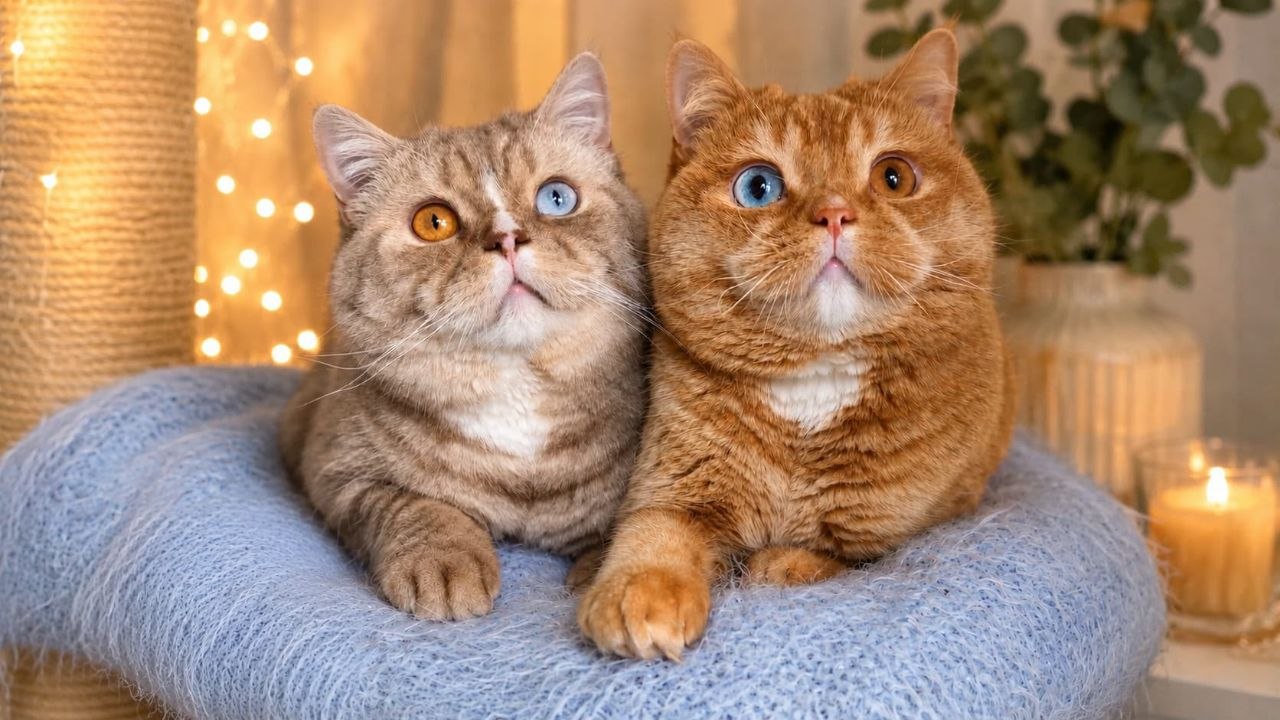
Feline physiology internal organ systems represent millions of years of evolutionary specialization as hypercarnivorous predators, characterized by unyielding protein catabolism, hyper-concentrated renal filtration, and specialized cardiovascular dynamics. In the British Shorthair, these baseline physiological traits interact with a compact, heavy-boned, and muscular cobby conformation. Understanding their high resting cardiac workload, low thirst drive paired with high urine specific gravity, limited thermoregulatory dissipation pathways, and specific hepatic enzyme configurations is essential for maintaining breed health and preventing common degenerative pathologies.
Cardiovascular Metrics and Resting Feline Pulse Dynamics
The feline cardiovascular system operates under high-pressure hemodynamics calibrated for rapid bursts of predatory velocity rather than sustained aerobic exertion. In adult British Shorthairs, cardiovascular metrics and resting feline pulse parameters fluctuate based on psychological arousal, autonomic tone, and environmental temperature. An unstressed, resting British Shorthair at home typically exhibits a pulse between 100 and 140 beats per minute (bpm), whereas clinical evaluations routinely record rates between 140 and 220 bpm due to sympathetically mediated tachycardia. Systolic arterial blood pressure normally ranges from 120 to 140 mmHg, with values exceeding 160 mmHg indicating systemic hypertension.
Due to the substantial muscular mass and broad thoracic cavity of the British Shorthair, stroke volume and myocardial wall tension are comparatively elevated relative to slender morphotypes. This morphological predisposition places increased importance on cardiovascular screening. Hypertrophic Cardiomyopathy (HCM)—characterized by concentric hypertrophy of the left ventricular free wall and interventricular septum exceeding 5.5 to 6.0 mm in end-diastole—remains the primary cardiovascular pathology observed in the breed.
Auscultation of the British Shorthair must account for dynamic outflow tract obstructions, physiologic flow murmurs, and gallop rhythms (S3 or S4 heart sounds). The conduction system operates via intrinsic sinoatrial node pacing, with electrical depolarization propagating through specialized Purkinje fibers; however, cats lack the distinct protective collateral coronary circulation found in larger mammals, leaving myocardial tissue exceptionally sensitive to focal ischemic damage.
- Undisturbed Resting Heart Rate: 100–140 bpm (Clinical range: 140–220 bpm)
- Physiological Mean Arterial Pressure (MAP): 100–120 mmHg (Systolic: 120–140 mmHg)
- Echocardiographic Normal Diastolic LV Wall Thickness: < 5.5 mm (≥ 6.0 mm diagnostic for HCM)
- Resting Respiratory Frequency: 16–30 breaths per minute at rest without thoracic effort
Renal Water Conservation and Feline Kidneys
Originating from the North African wildcat (Felis lybica), the domestic cat possesses an anatomical configuration optimized for arid survival. Renal water conservation and feline kidneys are defined by exceptionally long loops of Henle and prominent medullary pyramids, which generate a steep osmotic gradient within the renal interstitium. Consequently, cats concentrate urine to extreme levels, with normal feline Urine Specific Gravity (USG) ranging from 1.035 to upwards of 1.060, compared to the canine baseline of 1.015 to 1.025.
While this adaptation enables survival on moisture derived predominantly from prey tissue (approximately 70–75% water), it creates significant clinical vulnerabilities in modern domestic environments. British Shorthairs possess a chronically suppressed hypothalamic thirst drive; they rarely compensate adequately for dry kibble diets via voluntary drinking. When subjected to sub-clinical dehydration, their hyper-concentrated tubular fluid precipitates mineral solutes, dramatically increasing the risk of feline lower urinary tract disease (FLUTD), calcium oxalate nephrolithiasis, and matrix plug formation.
Glomerular filtration rate (GFR) depends directly on systemic perfusion pressure. Chronic sub-clinical dehydration coupled with high renal vascular resistance can accelerate tubulointerstitial nephritis and functional nephron loss. Serial monitoring of symmetric dimethylarginine (SDMA) alongside serum creatinine allows for the early detection of declining GFR before irreversible medullary interstitial fibrosis manifests.
Obligate Carnivore Metabolism and Taurine Synthesis Deficits
Feline intermediary metabolism has discarded several redundant metabolic pathways conserved in omnivores, locking the species into an obligate carnivore profile. Unlike dogs or humans, cats cannot downregulate hepatic amino acid catabolic enzymes. Transaminases and deaminases (such as alanine aminotransferase and serine dehydratase) remain permanently active at high constitutive levels. If dietary protein intake drops, the feline liver inevitably catabolizes endogenous structural proteins to fuel baseline hepatic gluconeogenesis.
The metabolic dependency of the species is underscored by obligate carnivore metabolism and taurine synthesis constraints. Cats lack adequate enzymatic activity of cysteine dioxygenase and cysteinesulfinic acid decarboxylase, severely restricting their ability to synthesize taurine (2-aminoethanesulfonic acid) from methionine and cysteine. Concurrently, feline hepatocytes conjugate bile acids exclusively with taurine—forming taurocholic acid—without the compensatory ability to substitute glycine during taurine depletion. Enterohepatic loss of taurine through intestinal transit is continuous.
Insufficient dietary taurine produces catastrophic multisystem collapse: central retinal degeneration (FCRD) progressing to irreversible blindness, dilated cardiomyopathy (DCM) marked by systolic dysfunction, and reproductive failure. Furthermore, feline metabolism lacks functional delta-6-desaturase activity to synthesize arachidonic acid from linoleic acid, lacks cellular enzymes to convert beta-carotene into active vitamin A (retinol), and cannot synthesize niacin from tryptophan due to rapid enzymatic degradation through the picolinic acid carboxylase pathway.
- Hepatic Aminotransferases: Permanently up-regulated; continuous nitrogen disposal required
- Taurine Requirement: Obligate dietary supply; critical for myocardial contractility and retinal photoreceptor integrity
- Essential Fatty Acids: Direct requirement for preformed arachidonic acid and EPA/DHA
- Essential Vitamins: Preformed Vitamin A (retinol), Vitamin D3 (cholecalciferol), and preformed Niacin
Feline Thermoregulation and Heat Dissipation Mechanisms
Thermoregulatory physiology in cats maintains a core body temperature setpoint between 38.0°C and 39.2°C (100.4°F to 102.5°F). Feline thermoregulation and heat dissipation mechanisms operate under strict physiological constraints compared to humans or canines. Cats possess functional merocrine (eccrine) sweat glands exclusively on their digital tori (paw pads). These glands secrete minimal fluid, serving primarily to provide frictional traction rather than significant evaporative heat dissipation.
To combat thermal loading, the feline system relies heavily on behavioral strategies, conductive cooling through horizontal recumbency on cold substrates, and evaporative cooling achieved through frequent grooming. During allogrooming and self-grooming, the cat deposits large volumes of saliva across the pelage, which lowers core temperature as it evaporates. However, the British Shorthair’s breed architecture presents an additional challenge: their iconic, dense double coat contains a thick undercoat designed to retain warmth, which acts as a barrier against dissipation once environmental temperatures exceed internal core levels.
When ambient temperatures approach or exceed 32°C (90°F) in humid environments, evaporative grooming fails. Under acute thermal stress, cats activate tachypnea and open-mouth panting to dissipate heat via upper respiratory tract evaporation. Because panting in cats indicates severe physiological stress and impending thermal failure, it requires immediate intervention to avert heatstroke, cellular hyperthermia, and disseminated intravascular coagulation.
Digestive Physiology of British Shorthairs
The digestive tract of the cat is remarkably brief, exhibiting a total gastrointestinal length to body length ratio of approximately 4:1 (compared to 6:1 in dogs and up to 20:1 in herbivores). This anatomical compaction accelerates transit times, reducing the exposure window for bacterial fermentation. Reflecting this carnivore design, the digestive physiology of British Shorthairs completely lacks salivary alpha-amylase (ptyalin). Carbohydrate digestion cannot initiate in the oral cavity; instead, it relies entirely on limited quantities of pancreatic amylase.
The stomach operates at a very low resting luminal pH (1.5 to 2.5), optimized for dissolving bone fragments, denaturing dense animal connective tissues, and neutralizing bacterial loads inherent to raw carnivory. Intestinal mucosal disaccharidases—specifically sucrase, maltase, and lactase—exhibit low baseline activity. High-carbohydrate diets overwhelm the limited absorptive and enzymatic capacity of the feline enterocyte, leading to osmotic diarrhea, altered gut microbiome diversity, and persistent postprandial hyperglycemia due to absent hepatic glucokinase activity.
In British Shorthairs, their cobby morphology and relatively calm temperament correlate with a lower basal metabolic rate compared to elongated, active breeds like the Siamese. Following gonadectomy, caloric requirements drop by 20 to 30 percent. If nutritional energy density is not systematically balanced against this reduced expenditure, hepatic lipidosis can rapidly develop during periods of sudden anorexia, as the liver becomes inundated with mobilised non-esterified fatty acids that overwhelm beta-oxidation pathways.
Physiological Reference Ranges & Clinical Benchmarks (Adult British Shorthair)
- Core Body Temperature: 38.0°C – 39.2°C (100.4°F – 102.5°F)
- Resting Pulse Rate (Undisturbed): 100 – 140 bpm
- Resting Respiratory Rate: 16 – 30 breaths/min
- Mean Arterial Pressure (MAP): 100 – 120 mmHg (Systolic cut-off: < 140 mmHg normal)
- Urine Specific Gravity (USG): > 1.035 (Adequately concentrated, ideally 1.040–1.055)
- Serum Creatinine / SDMA: Creatinine < 1.6 mg/dL; SDMA < 14 µg/dL
- Left Ventricular Wall Thickness (Diastole): < 5.5 mm (via transthoracic echocardiogram)
- Dietary Crude Protein Baseline: Minimum 35–45% dry matter basis (high biological value animal origin)
Summary & Next Steps
The British Shorthair combines the specialized, high-load metabolic traits of an obligate carnivore with a heavy, muscular build that demands consistent physiological monitoring. To ensure your cat's organ systems function within optimal ranges, establish an annual screening routine: schedule baseline echocardiographic screening to monitor ventricular wall thickness, run complete urinalysis with USG assessment, and evaluate renal and hepatic panels (including SDMA and ALT) to proactively manage breed-specific risks.
Sources & References
- Fédération Internationale Féline (FIFe) Breeding and Health Standards
- European Society of Veterinary Cardiology (ESVC) Guidelines for Feline Cardiomyopathy
- National Research Council (NRC): Nutrient Requirements of Dogs and Cats
- International Renal Interest Society (IRIS) Staging of Chronic Kidney Disease in Cats
- Textbook of Veterinary Internal Medicine, 8th Edition (Ettinger, Feldman, Côté)