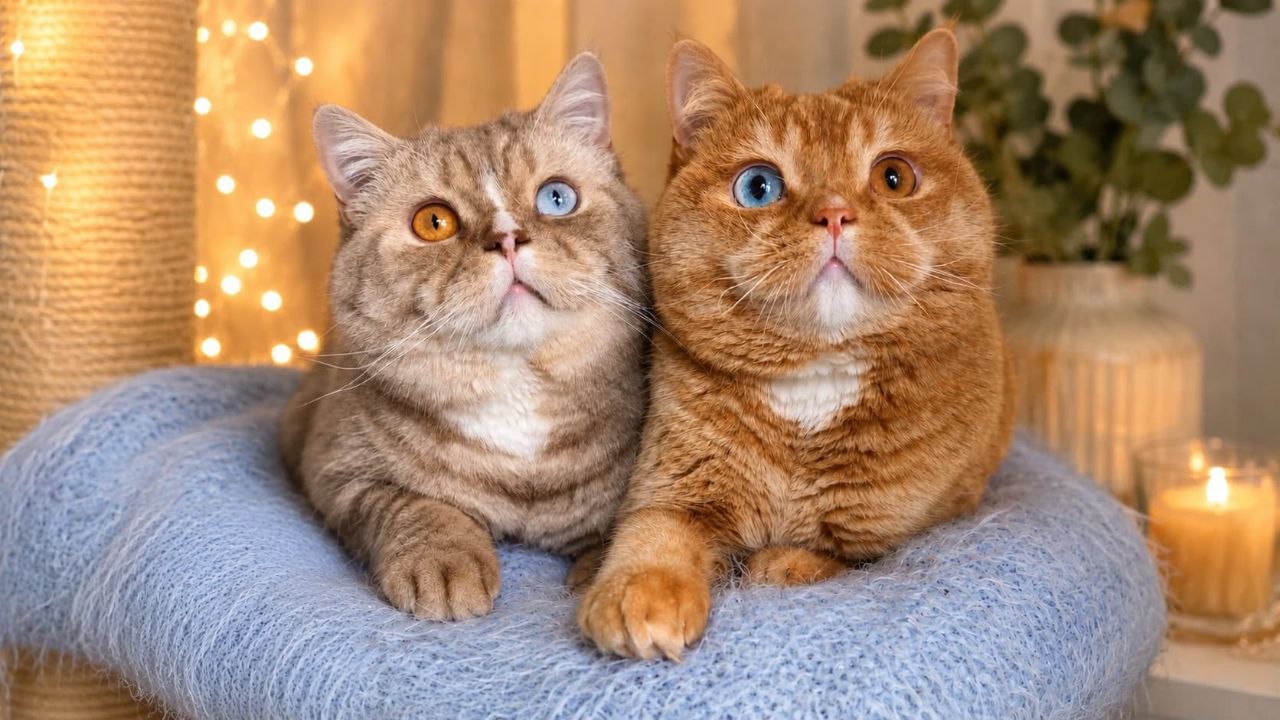
Within the elite hierarchy of modern felinological fancy, few felines command the prestige and visual enchantment of the chocolate golden shaded british shorthair. Representing one of the rarest, most technologically complex color achievements in pedigree cat breeding, this extraordinary variety combines an ethereal, warm caramel undercoat with delicate milk-chocolate tipping and luminous emerald green eyes. While black golden shaded cats (BRI ny 11) have achieved widespread acclaim, the introduction of the homozygous recessive chocolate gene elevates the golden palette to an unprecedented level of warmth, softness, and refined luxury.
Prospective feline connoisseurs seeking a chocolate golden shaded british shorthair kitten often discover that finding an authentic, health-certified specimen is a journey requiring patience and felinological discernment. Because the underlying genetics require the simultaneous inheritance of multiple recessive alleles alongside polygenic wideband complexes, litters containing a chocolate golden shaded british shorthair kitten are exceptionally scarce across international catteries. At Grand Liberty, operating under Section 11 of the German Animal Welfare Act (§11 TierSchG) with official registration under the Fédération Internationale Féline (FIFe Standard #729), our specialized golden breeding program adheres to uncompromising scientific standards. Every breeding cat undergoes certified Laboklin DNA testing for Polycystic Kidney Disease (PKD1 N/N) and annual Doppler echocardiograms by certified veterinary cardiologists for Hypertrophic Cardiomyopathy (HCM). In this comprehensive genetic treatise and adoption manual, we decode the molecular architecture of the chocolate golden series, explore developmental color clearing stages, analyze morphological standards, and explain the health protocols essential to preserving this rare lineage.
Genetic Architecture: The Molecular Chemistry of the Chocolate Golden Shaded British Shorthair
The enchanting visual presentation of the chocolate golden shaded british shorthair is the direct result of an intricate interplay between structural melanin mutations and polygenic modifiers:
The Recessive Chocolate Eumelanin Allele (b/b) Paired with Agouti (A/-) and Wideband (Wb) Polygenes
To produce a chocolate golden feline, specific genetic loci must align with mathematical precision: 1. *The Primary Chocolate Mutation (b/b): In standard black felines, eumelanin granules are dense, ovoid, and absorb virtually all light, appearing jet black. The chocolate allele (b) is an autosomal recessive mutation at the Primary Brown (B) locus. In the homozygous recessive state (b/b*), the melanin granules become smaller, elliptical, and pack less densely, oxidizing into a rich, warm cocoa or milk-chocolate hue. 2. *The Agouti Driver (A/-): The cat must inherit at least one dominant agouti allele, which enables pigment switching along individual hair shafts. Non-agouti (a/a*) solid chocolate cats display uniform dark brown coloring, whereas agouti enables golden undercoat development. 3. *The Recessive Inhibitor Absence (i/i):* The feline must carry wild-type non-inhibitor alleles, allowing yellow-to-apricot pheomelanin to express freely without being bleached into silver. 4. *The Wideband Polygenic Complex (Wb):* This polygenic modifier pushes the chocolate eumelanin pigment toward the very tips of the hair shaft. In a shaded feline, wideband action leaves between 7/8ths and 5/6ths of the hair shaft completely filled with glowing, warm apricot-to-caramel pheomelanin, restricting the chocolate color to a delicate outer veil.
Shaded (BRI by 11) vs Ticked (BRI by 25): Analyzing 1/8th Tipping Depth and Mantle Uniformity
Under official FIFe and WCF registration rules, the chocolate golden variety is designated by precise EMS codes:
- Chocolate Golden Shaded (BRI by 11): Exactly 1/8th of the hair shaft is tipped with chocolate pigment. The tipping is distributed evenly across the head, spine, flanks, and tail, creating a soft chocolate mantle. The chin, chest, belly, and undersides of the paws remain warm, untipped apricot.
- Chocolate Golden Ticked (BRI by 25): The hair shafts feature multi-banded agouti ticking—alternating bands of warm golden pheomelanin and milk-chocolate eumelanin. This creates a shimmering, finely speckled appearance across the torso without distinct tabby stripes or blotches.
Golden Series Phenotypic Comparison Table
| Variety / EMS Code | Primary Genetics | Undercoat Hue | Tipping / Marking Pigment | Paw Pads & Eyeliner | Eye Color Standard |
|---|---|---|---|---|---|
| Black Golden Shaded (BRI ny 11) | Black (B/-), Agouti (A/-), Wideband (Wb) | Warm apricot, peach, or golden yellow | Dense jet black (1/8th tip) | Pitch black or seal brown | Deep emerald green or turquoise |
| Chocolate Golden Shaded (BRI by 11) | Chocolate (b/b), Agouti (A/-), Wideband (Wb) | Deep glowing caramel, warm honey apricot | Rich milk-chocolate or warm cocoa (1/8th tip) | Warm milk-chocolate, cinnamon-cocoa | Vivid emerald green or blue-green |
| Blue Golden Shaded (BRI ay 11) | Black (B/-), Dilute (d/d), Wideband (Wb) | Soft cream-peach, warm ivory apricot | Slate blue or lavender-grey (1/8th tip) | Slate grey or blue-violet | Sea-green, teal, or emerald |
| Cinnamon Golden Shaded (BRI qy 11) | Cinnamon (b-l/b-l), Wideband (Wb) | Luminous warm honey, golden cinnamon | Warm reddish-cinnamon bronze (1/8th tip) | Pinkish-cinnamon or rosy bronze | Vivid green or turquoise |
Phenotypic Hallmarks: Warm Caramel Undercoat, Chocolate Pigment, and Emerald Eyes
The sensory allure of the chocolate golden shaded british shorthair lies in its warm chromatic harmony. Unlike the stark contrast of a black golden shaded cat, the chocolate golden displays softer, warmer transitions:
The Apricot-to-Caramel Undercoat: Why True Chocolate Golden Lacks Grey Toning
The defining felinological fault in golden breeding is the presence of cold grey or dull beige roots (grey undercoat). In an authentic chocolate golden:
- Luminous Base Color: The base of every single hair must be completely infused with rich, warm pheomelanin ranging from ripe apricot to golden caramel.
- Zero Rufusism Faults: While rufusism is undesirable in silver cats, in golden felines, intense pheomelanin saturation is celebrated. The chocolate golden coat glows with an internal luminescence, especially when viewed under natural sunlight.
Milk-Chocolate Leather and Mucous Tracing: Paw Pads, Nose Trim, and Eyeliner
The mucous membranes and epidermal points provide absolute confirmation of the chocolate genotype:
- Eyeliner and Lip Margins: The eyes and lips are outlined by soft, dark milk-chocolate eyeliner that accentuates the facial contours without the harshness of pitch-black ink.
- Nose Leather: The nose leather is a warm terracotta or antique rose, bordered completely by a fine chocolate frame.
- Plantar Paw Pads: The paw pads display a luscious cocoa, milk-chocolate, or cinnamon-brown hue. Any trace of pure black pads indicates a black golden (ny) rather than a chocolate golden (by).
Luminous Eye Chromaticity: Maturation into Deep Sea-Green and Vivid Emerald
Eye color is the crowning jewel of the shaded series:
- The Green Standard: Under FIFe Standard #729, the eyes must be green, with deep emerald, tourmaline, or intense blue-green preferred. Yellow, amber, or copper eyes are heavily penalized in shaded competition classes.
- Optical Chromaticity: The warmth of the chocolate mantle creates an extraordinary complementary color contrast with the cool, crystalline green irises.
Nursery Development: Raising a Chocolate Golden Shaded British Shorthair Kitten
Prospective guardians preparing to welcome a chocolate golden shaded british shorthair kitten into their lives must understand the unique developmental phases of this rare variety.
The Developmental Journey: Why a Newborn Kitten Undergoes Dramatic Color Shifts
When you evaluate a chocolate golden shaded british shorthair kitten at an early age, its visual presentation differs significantly from its adult phenotype: 1. Neonatal Birth Phase (0 to 4 Weeks): Kittens are born with a darker, denser appearance. Ghost markings—faint residual tabby rings or bars—are frequently visible across the flanks and limbs. 2. The Color Clearing Phase (5 to 16 Weeks): As the kitten grows and the undercoat begins to expand under the influence of wideband polygenes, the ghost markings gradually dissolve. The warm caramel base color "pushes out" from the hair roots, lifting the chocolate tipping to the outer mantle. 3. Adult Stabilization (12 to 24 Months): Full coat density, definitive tipping precision, and maximum eye color saturation take up to two full years to mature. The ocular hue shifts from neonatal blue to smoky amber, settling into pure, glowing emerald green around the first or second year.
Nursery Socialization, Sensory Conditioning, and the 14-Week Maternal Bond Under §11 TierSchG
At Grand Liberty, raising a chocolate golden shaded british shorthair kitten is grounded in behavioral science:
- Extended Maternal Care: Kittens remain with their queen and littermates until at least 14 weeks of age. This extended nursery stay ensures robust immune protection following vaccination and solidifies calm, confident domestic behavior.
- Sensory Habituation: Our nursery protocols introduce kittens to household appliances, gentle human handling, veterinary grooming tables, and transport carriers, ensuring they adapt seamlessly to their forever homes without stress or fear.
Health Screening Protocols and Ethical Breeding Standards at Grand Liberty
Because chocolate golden felines represent an exclusive, highly specialized bloodline, preserving genetic vigor through exhaustive health diagnostics is paramount.
Essential Laboratory Verification: Laboklin PKD1 DNA Clearance and Cardiovascular HCM Echocardiography
Our cattery's health protocol encompasses non-negotiable veterinary standards: 1. Laboklin PKD1 DNA Sequencing: Polycystic Kidney Disease is an autosomal dominant condition that destroys renal parenchyma. Every breeding cat at Grand Liberty is verified PKD1 N/N (negative/clear) via certified Laboklin genetic testing, ensuring zero hereditary transmission. 2. Annual Doppler HCM Echocardiograms: Hypertrophic Cardiomyopathy is monitored annually using high-resolution Doppler echocardiography conducted by certified veterinary cardiologists. 3. Feline Infectious Profiles: All cattery adults are tested and maintained strictly negative for FeLV, FIV, and gastrointestinal parasites, ensuring pristine nursery hygiene under official §11 TierSchG licensing.
Evaluation and Preservation Protocol for Chocolate Golden Shaded British Shorthairs
- [ ] Official EMS Classification: Confirm the official pedigree indicates BRI by 11 (shaded) or BRI by 25 (ticked).
- [ ] Parental Health Documentation: Inspect authenticated Laboklin PKD1 N/N test certificates and certified HCM Doppler echocardiogram reports.
- [ ] Undercoat Examination: Verify undercoat hair roots display warm apricot or caramel pigmentation, completely free of cold grey tones.
- [ ] Chocolate Point Verification: Inspect paw pads and eyeliner to confirm rich milk-chocolate coloration (absence of black pigment).
- [ ] Tipping Depth Assessment: Ensure the chocolate tipping is restricted to the upper 1/8th of the hair shaft on the dorsal mantle, leaving the undercarriage clean and pale.
- [ ] Eye Color Progression: Confirm green or turquoise eye color development in mature adults, or healthy chromatic transition in kittens.
- [ ] Conformation & Boning: Verify classic British Shorthair cobby morphology: massive rounded head, full cheeks, short muscular legs, and broad chest.
- [ ] Comprehensive Veterinary Handover: Ensure the kitten arrives with an official EU Pet Passport, 15-digit ISO microchip, full vaccination record, and bilateral health guarantee.
The chocolate golden shaded british shorthair represents an unparalleled marriage of genetic rarity, visual luxury, and serene companionship. By choosing a kitten from a certified cattery dedicated to ethical breeding and comprehensive health screening, you invite an extraordinary living masterpiece into your home.