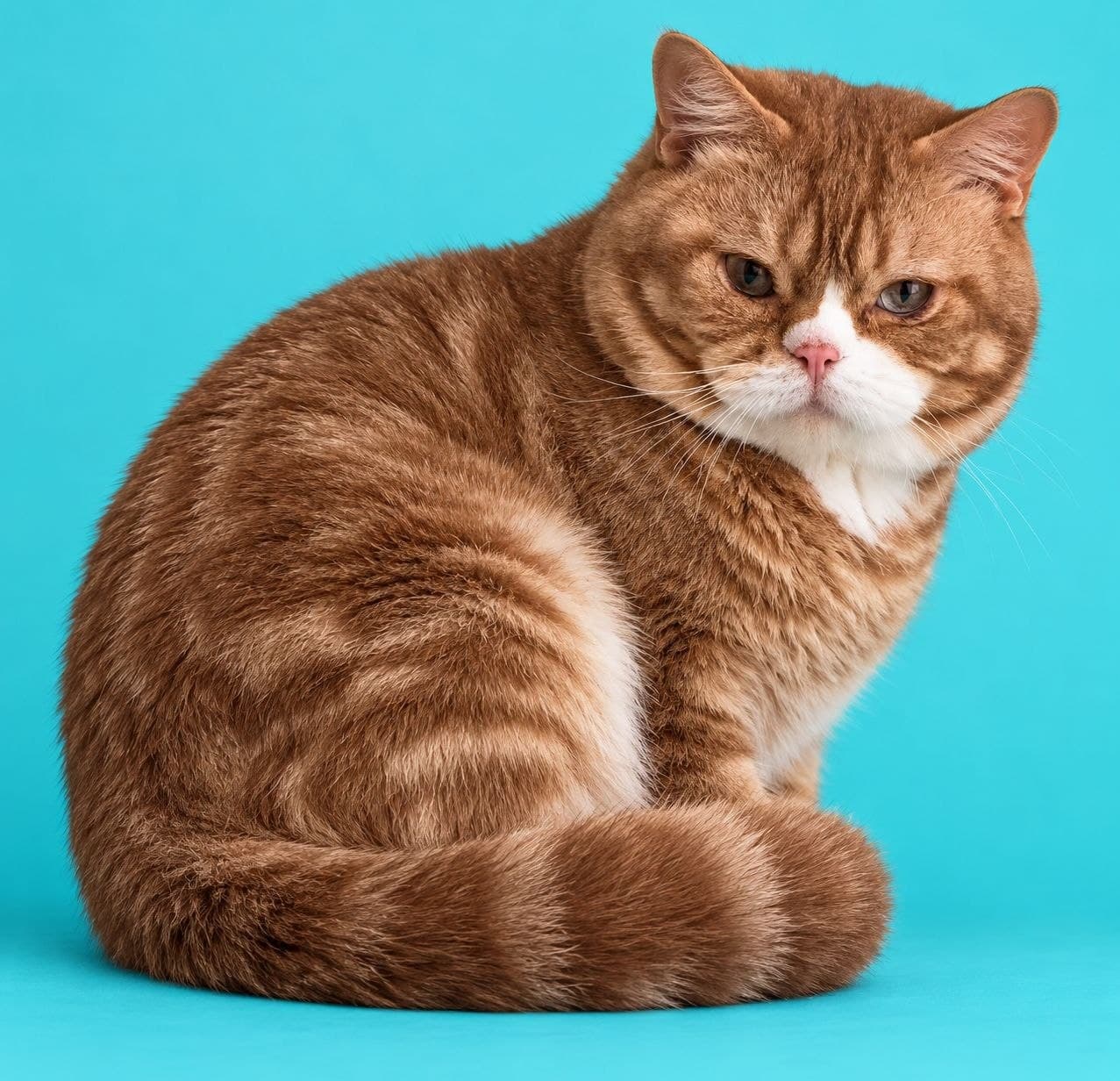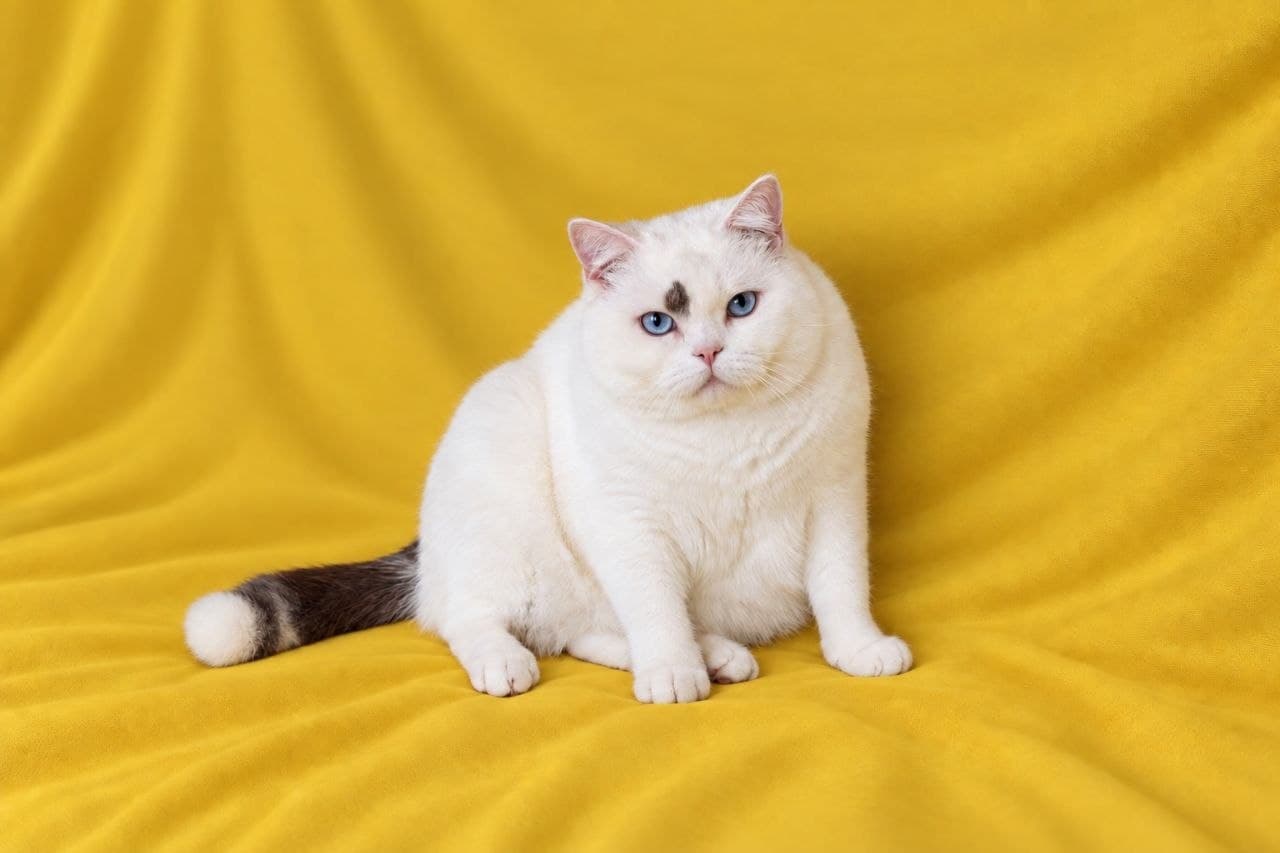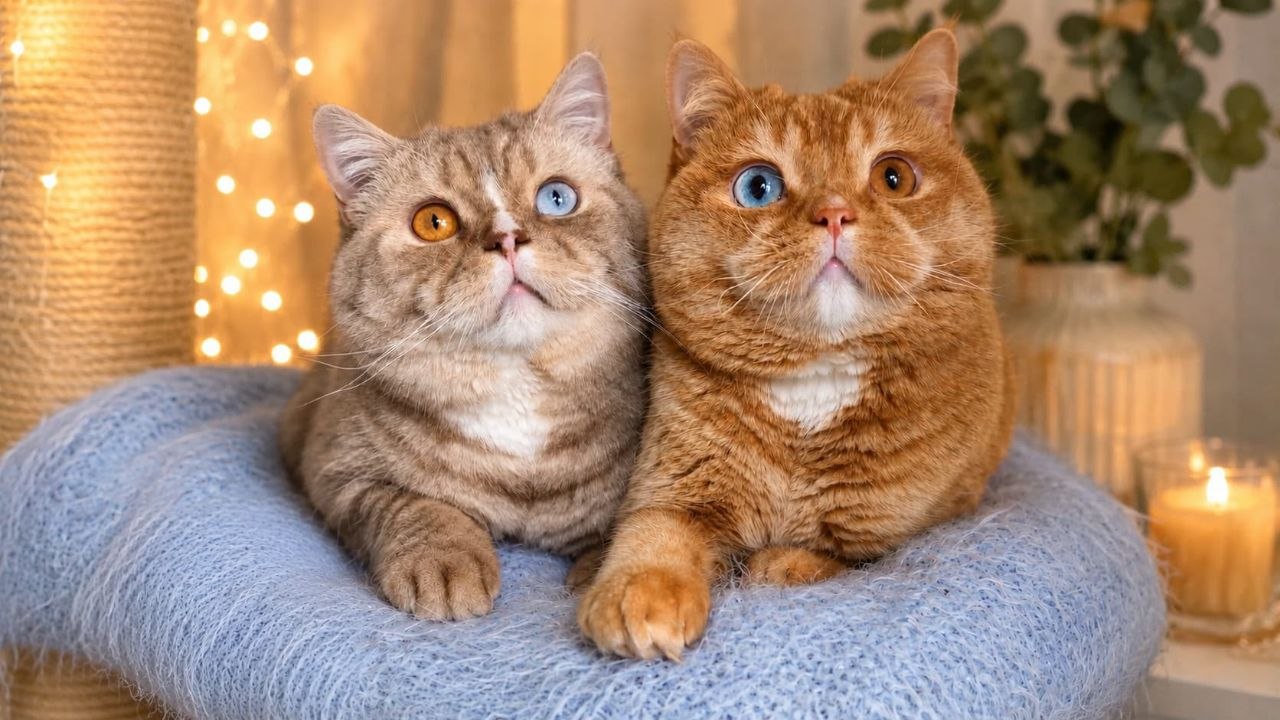
Proper British Shorthair care requires structured portion control with high-protein wet food to prevent breed-predisposed obesity, low-stress weekly coat brushing, dedicated vertical indoor territory, and a strict veterinary schedule for core vaccines (FPV, FHV-1, FCV) and annual echocardiograms. As a dense, slow-maturing breed reaching full physical development at 3 to 5 years, British Shorthairs thrive on calm household dynamics, moderate interactive play, and rigorous preventive healthcare.
How to Care for British Shorthair Cat Daily: Nutrition and Coat Maintenance
Mastering how to care for British Shorthair cat daily begins in the food bowl and at the grooming table. British Shorthairs possess a stocky cobby conformation, broad chest, and heavy bone structure, making them uniquely susceptible to rapid weight gain if fed ad libitum. Daily feeding must revolve around measured portions of moisture-dense, animal-protein-rich complete feeds, prioritizing wet formulas with a minimal carbohydrate load (<10% dry matter basis). An adult BSH generally requires 40 to 45 kcal per kilogram of ideal body weight daily, split into two to three discrete meals to stabilize insulin spikes and support sustained satiety.
Coat maintenance in the British Shorthair centers on their iconic double plush coat, characterized by a crisp, dense undercoat that stands away from the body. Daily full-body brushing is unnecessary and can damage the protective undercoat; instead, establish a twice-weekly routine using a fine-toothed metal comb or slicker brush. Focus on friction areas such as the armpits, lower abdomen, and base of the tail to remove dead hair without stripping the guard hairs. During seasonal molting periods in spring and autumn, increase grooming frequency to three or four sessions weekly to prevent hairball formation and reduce hair ingestion during self-grooming.
- Caloric allocation: Calculate daily rations strictly by target adult weight to prevent metabolic strain on joints and heart.
- Hydration protocols: Utilize stainless steel or ceramic circulating water fountains to stimulate voluntary fluid intake and protect feline renal architecture.
- Ophthalmic care: Wipe tear residue from prominent eyes weekly using sterile saline pads to avoid chronic facial fold dermatitis.
Essential Indoor Care Guidelines for British Cats: Environment and Enrichment
Executing essential indoor care guidelines for British cats means tailoring your living space to accommodate an observant, ground-oriented predator that values stability over chaos. Unlike hyperactive breeds that demand high-wire aerial courses, the British Shorthair prefers grounded luxury coupled with wide, accessible vertical tiers. Sturdy, heavy-based cat trees featuring generous landing platforms and wide sisal posts (minimum 15 cm diameter) prevent tipping when supporting an adult male weighing 6 to 8 kilograms.
Environmental enrichment must accommodate their independent temperament. British Shorthairs observe their domain with tranquil dignity, but sedentary indoor routines lead to muscle atrophy and emotional lethargy. Owners should implement daily interactive play routines of 10 to 15 minutes twice a day, focusing on wand toys that mimic terrestrial prey like mice and floor-scuttling insects rather than high-flying birds. Litter hygiene is equally crucial: provide extra-large open-top litter boxes with fine-grain unscented mineral substrate, maintained at a ratio of one box per cat plus one additional box, positioned away from noisy household appliances.
- Structural stability: Select heavy, solid-wood scratchers that resist tipping under sudden bursts of adult athletic mass.
- Territory mapping: Provide dual-height observation outposts overlooking quiet living zones rather than heavy foot-traffic corridors.
- Thermal comfort: Position sleeping quarters away from drafts and direct heat sources, as their double coat naturally traps body warmth.
Core Feline Vaccination and Deworming Schedule: Clinical Disease Prevention
Adhering to a core feline vaccination and deworming schedule is the bedrock of lifelong vitality. Kittens must receive primary immunization against Feline Panleukopenia Virus (FPV), Feline Herpesvirus-1 (FHV-1), and Feline Calicivirus (FCV). In accordance with ABCD (Advisory Board on Cat Diseases) guidelines, primary immunization initiates at 8 to 9 weeks of age, followed by booster inoculations at 12 and 16 weeks to bypass maternal antibody interference. A final first-year booster at 12 months solidifies protective immunity, after which revaccination intervals for low-risk indoor felines should follow a three-year triennial cycle for core pathogens.
Endoparasite and ectoparasite prevention must not be neglected, even in strictly indoor British Shorthairs. Shoes, textiles, and household insects can introduce roundworms (Toxocara cati) or flea eggs into the domestic envelope. Fecal flotation tests should be executed semiannually, or prophylactic broad-spectrum deworming administered quarterly using veterinary-prescribed spot-on or tablet formulations. For households in endemic areas or with balcony access, comprehensive monthly broad-spectrum parasite protection ensures total defense against heartworm, lungworm, and tapeworm vectors.
- Initial kitten protocol: 8-9 weeks (FPV/FHV-1/FCV), 12 weeks (booster), 16 weeks (final booster + Rabies where mandated).
- Adult maintenance: Triennial core boosters; annual clinical wellness checks; semiannual fecal diagnostics.
- Hypertrophic Cardiomyopathy (HCM): Schedule baseline color Doppler echocardiograms at 18-24 months with regular re-screening by certified veterinary cardiologists.
Benefits and Timing of Neutering British Cats: Hormonal and Skeletal Balance
Understanding the benefits and timing of neutering British cats requires balancing behavioral advantages with the breed's prolonged developmental curve. British Shorthairs mature exceptionally slowly, accumulating bone density and muscular mass over three to five years. Performing gonadectomy prior to physical maturation alters physeal plate closure, occasionally producing unnaturally elongated limbs that compromise the iconic stocky cobby profile.
For non-breeding companion cats, the optimal window for gonadectomy lies between 6 and 9 months of age, before the onset of full sexual maturity and marking behaviors. Castration in males eliminates urine spraying, roaming instinct, and aggressive territorial behavior while preserving structural breadth. Spaying females prior to or immediately following the first estrous cycle virtually eliminates the risk of mammary adenocarcinoma and permanently prevents pyometra. Post-surgical metabolic rate drops by up to 25%, necessitating an immediate 10% to 20% reduction in caloric intake to prevent early-onset adiposity.
- Surgical timing: 6 to 9 months preserves breed-typical skeletal proportion while mitigating behavioural spray risks.
- Metabolic transition: Switch to a balanced post-neutering diet formula with reduced fat and calibrated fiber to maintain gut motility.
- Urinary prophylaxis: Maintain high urinary volume via wet food to prevent sterile cystitis and struvite urolithiasis.
Expert Owner Advice from Master Breeder: Temperament and Lifetime Health
Drawing expert owner advice from master breeder experience reveals that British Shorthair temperament is defined by affection delivered on their own terms. Unlike lap-seeking clingy breeds, the British Shorthair exhibits companion loyalty: they follow you from room to room, settling within arm's reach rather than on your knees. They dislike being carried or restricted, often preferring to maintain all four paws firmly planted on stable ground. Respecting this spatial autonomy is the secret to cultivating an unshakable bond of mutual trust.
Lifetime health in British Shorthairs demands proactive monitoring for breed-specific hereditary conditions, notably Hypertrophic Cardiomyopathy (HCM) and Polycystic Kidney Disease (PKD). While responsible FIFe preservation breeders test all breeding stock for PKD-1 via genetic DNA screening and conduct serial echocardiograms for HCM, owners must maintain vigilant preventative care into senior years (age 8+). Semiannual geriatric profiles encompassing comprehensive blood panels, Symmetric Dimethylarginine (SDMA) kidney markers, systemic blood pressure evaluation, and joint mobility checks will safeguard your cat through a peaceful, robust lifespan exceeding 15 to 18 years.
- Handling technique: Never force prolonged confinement or holding; praise voluntary physical contact and head-butting gestures.
- Senior vigilance: At 7+ years, establish twice-yearly clinical checkups for early diagnosis of osteoarthritis and chronic kidney disease.
- Dental protocol: Institute home dental care with enzymatic cat paste to counter the breed's predisposition to juvenile-onset gingivitis.
Master British Shorthair Lifetime Care Protocol
- Daily: 2-3 portion-controlled complete wet meals (<10% dry-matter carbohydrates; 40-45 kcal/kg).
- Twice Weekly: Systematic grooming with steel comb focusing on undercoat, armpits, and tail base.
- Monthly: Preventive parasite topical application or fecal flotation monitoring.
- Age 6-9 Months: Timed surgical neutering/spaying alongside calibrated caloric adjustment.
- Annual: Comprehensive clinical examination, core booster verification, and professional oral health check.
- Ages 2, 4, 6, 8 Years: Longitudinal color Doppler echocardiograms to monitor myocardial wall thickness.
Summary & Next Steps
A British Shorthair raised with nutritional discipline, quiet respect for its personal boundaries, and rigorous clinical oversight will reward your household with upwards of fifteen years of loyal companionship. To prepare your home for your arrival, review our cattery guides on feline enrichment architecture and optimal kitten transitions.
Sources & References
- Fédération Internationale Féline (FIFe) - British Shorthair Breed Standard (2023 revision)
- Advisory Board on Cat Diseases (ABCD) - European Guidelines on Feline Immunization and Disease Prevention
- World Small Animal Veterinary Association (WSAVA) - Global Nutrition Guidelines
- Journal of Feline Medicine and Surgery (JFMS) - Consensus Guidelines on Feline Hypertrophic Cardiomyopathy