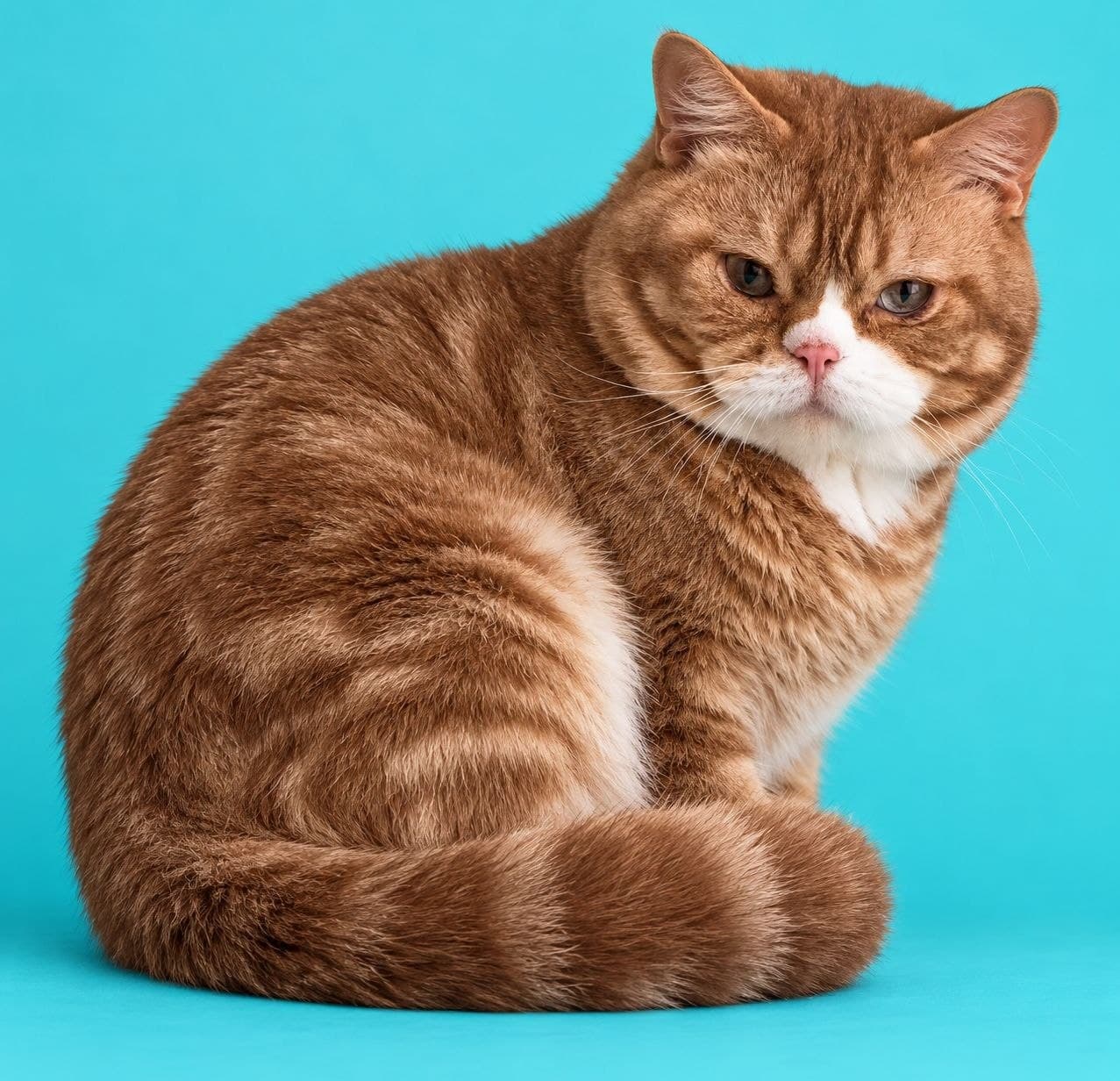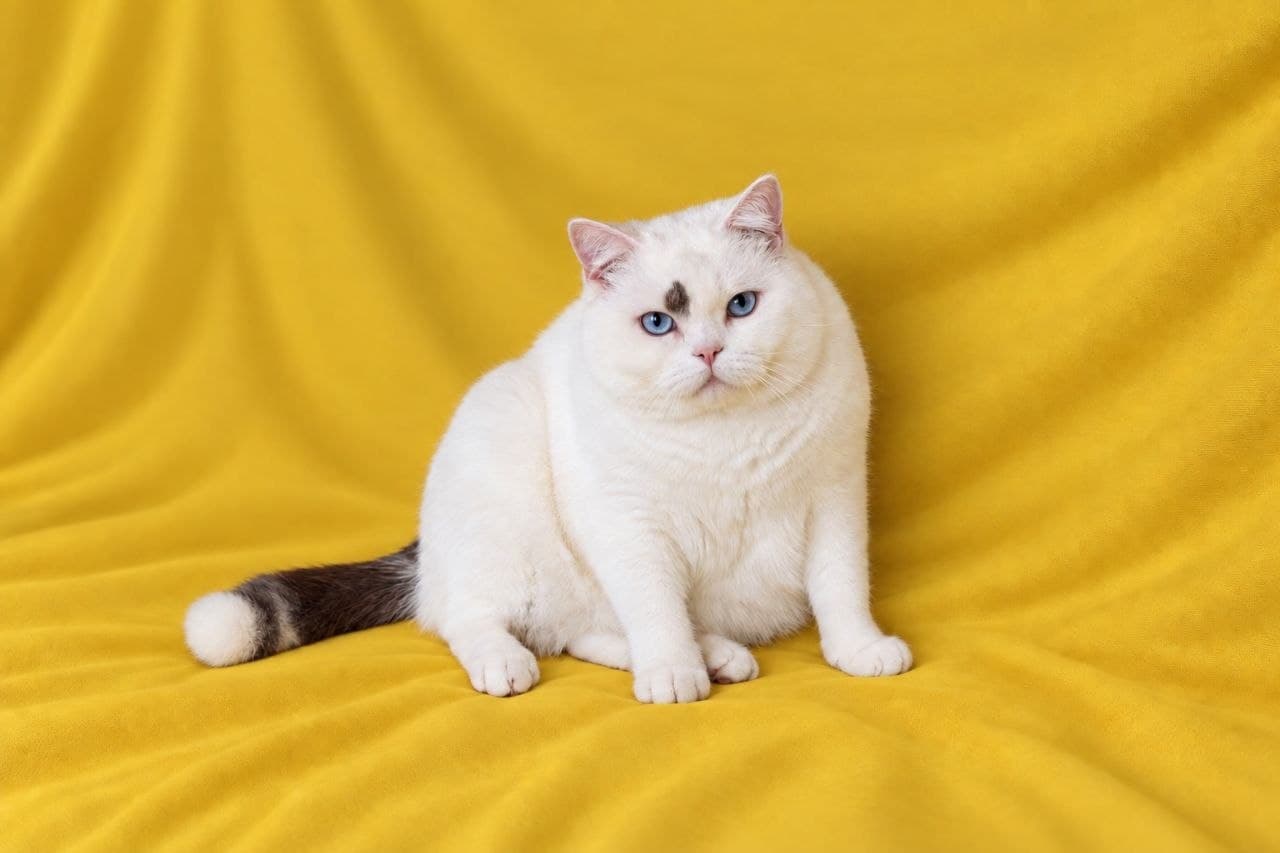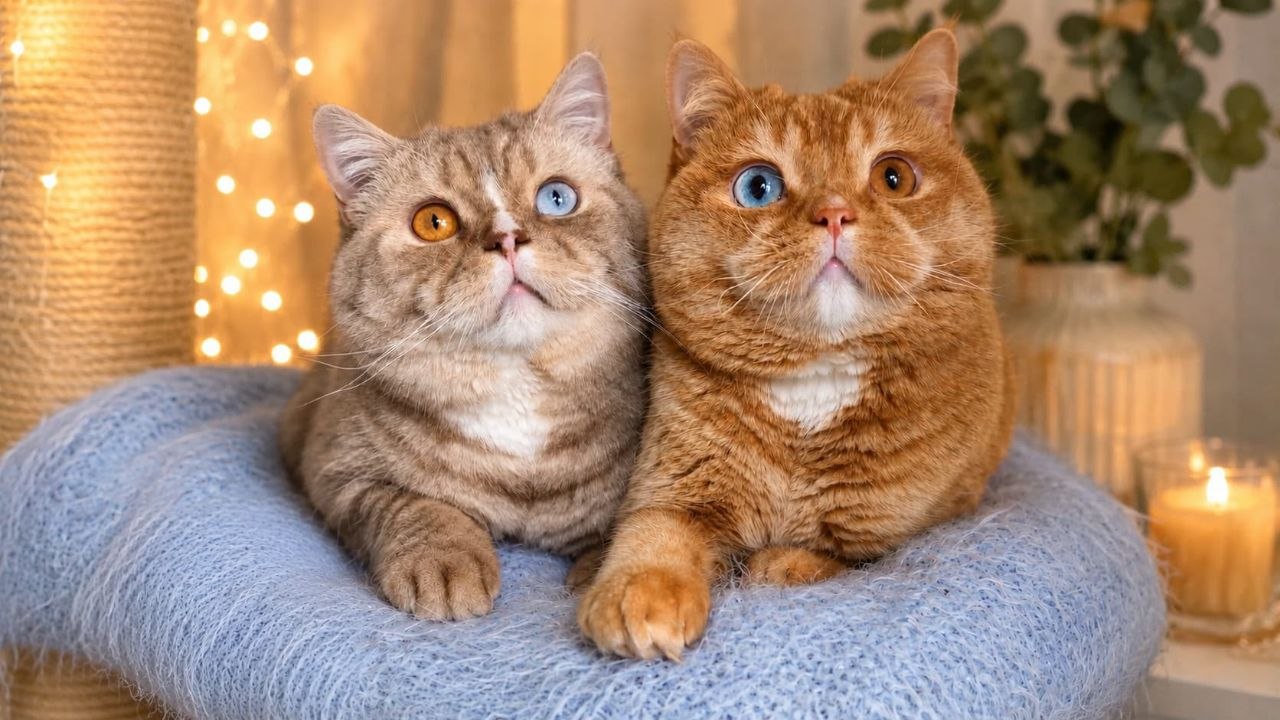
To choose a healthy British Shorthair kitten, execute a systematic hands-on physical exam assessing clear eyes, unsoiled ears, effortless respiration, an aligned scissor bite, and a soft, non-distended abdomen. Confirm the kitten has reached the safe relocation age of 12 to 14 weeks, exhibits confident curiosity rather than fearful withdrawal, and comes with an official EU pet passport, an ISO-compliant microchip, dual core vaccinations, and certified parental screenings for Hypertrophic Cardiomyopathy (HCM) and Polycystic Kidney Disease (PKD).
Physical Health Checklist Before Adopting Kitten
A methodical physical examination protects prospective owners from the emotional and financial distress of adopting an ailing animal. When handling a British Shorthair kitten, systematically examine its cranial structures, respiratory cadence, and body condition. The eyes must be bright, symmetrical, and fully open, showing no signs of blepharospasm, epiphora, or exposure of the third eyelid (nictitating membrane), which frequently signals systemic stress or subclinical infection. Inspect the ears meticulously; the internal pinnae should be pale pink, smooth, and entirely free of black, granular exudate indicative of Otodectes cynotis (ear mites).
Open the kitten's mouth gently to assess the oral cavity and bite alignment. British Shorthairs are prone to brachycephalic-related dental malocclusions; confirm that the jaw presents a true scissor bite or level bite without undershot or overshot alignment that could impair adult mastication. The gingiva must be evenly pink without marginal erythema, ulceration, or foul odor. Palpate the thoracic and abdominal cavities with care. Respiration should be quiet, thoracic, and unlabored, free of audible wheezing, stertor, or tracheal rattle. The abdomen should feel pliable and soft; it must never feel tensely bloated or painfully tight upon gentle palpation.
Complete the physical assessment by parting the dense plush coat to observe skin health and skeletal symmetry. The fur should be uniform, dense, and clean without localized alopecia, scabs, or flea dirt. Run two fingers down the dorsal spine and tail to confirm a straight vertebral column without kinks, skeletal deviations, or tenderness, and lift the tail to confirm the perianal area is pristine and devoid of fecal staining.
- Eyes: Clear corneas, symmetrical pupils, absence of purulent discharge or prominent third eyelids.
- Ears: Clean canal surface, free of dark crusting, foul odors, or repeated head-shaking behaviors.
- Mouth: Correct dental occlusion, pink gums without inflammatory margins or necrotic odor.
- Abdomen: Soft, non-painful palpation, lacking fluid distension, hard impactions, or umbilical herniation.
Safe Relocation Age 12 to 14 Weeks
Adhering to a safe relocation age of 12 to 14 weeks is non-negotiable in ethical feline husbandry and aligns with established FIFe breeding rules and German Animal Welfare standards (§11 TierSchG). Separating a kitten from its dam prior to 12 weeks disrupts critical physiological and immunological maturation. Maternally derived antibodies (MDAs) absorbed via colostrum steadily decline between 6 and 12 weeks of age, creating an 'immunity gap' where the kitten is exceptionally vulnerable to viral pathogens. Relocating a kitten during this window suppresses its fragile immune system through acute transport and environmental stress.
The period between 8 and 14 weeks also serves as the cornerstone for neurodevelopmental and behavioral stabilization. During this time, the queen actively disciplines the litter, teaching essential bite inhibition, appropriate play boundaries, and litter box hygiene. Kittens separated prematurely exhibit significantly higher incidences of stereotypic behaviors, chronic fearfulness, inappropriate elimination, and stress-induced idiopathic cystitis in adulthood. An ethical breeder will never release a British Shorthair kitten before complete weaning, double vaccination, and full behavioral autonomy are achieved.
Red Flag Signs of Kitten Illness Parasites
Prospective adopters must distinguish between typical juvenile behavior and subtle red flags signaling infectious illness or heavy parasitic burdens. A prominently bloated, 'pot-bellied' abdomen accompanied by a visible spine or poor muscle tone strongly indicates endoparasitic infestation, most commonly Toxocara cati (roundworms) or protozoan infections such as Giardia duodenalis and Tritrichomonas foetus. These gastrointestinal pathogens compromise nutrient absorption, resulting in stunted growth and dehydration.
Fecal consistency in the breeder's litter facilities offers indispensable clinical evidence. Diarrhea, blood-streaked stools, or fecal encrustation on the hind legs and perineum represent severe warnings of enteritis or parasitic blooms. Respiratory warning signs include frequent sneezing, serous or mucopurulent nasal discharge, and ocular crusting, which typify Feline Upper Respiratory Infection Complex (FHV-1 and Feline Calicivirus). Lethargy must never be excused as calmness; a healthy British Shorthair kitten is naturally sturdy and composed, but it will never be unresponsive, physically limp, or reluctant to interact with its surroundings.
Evaluating Kitten Temperament and Curiosity
The signature temperament of a well-bred British Shorthair is calm, affectionate, and intellectually self-assured. When visiting the cattery, observe the kittens in their home environment before initiating physical contact. A well-socialized kitten approaches novel stimuli, such as a feather wand or an unfamiliar person, with forward-pointing ears, an elevated tail with a gentle hook at the tip, and curious investigative sniffs. Avoid kittens that cower in dark corners, display flattened ears, or exhibit persistent defensive vocalizations.
Gently lift and hold the kitten to assess its handling tolerance. While British Shorthairs are typically independent and prefer having four paws grounded over being constrained, a young kitten should relax in your arms within a few moments, purring or calmly observing the room rather than panicking, thrashing, or scratching aggressively to escape. Assess how quickly the animal recovers from mild startle events, such as an accidental sharp sound. Rapid behavioral recovery demonstrates robust nervous system stability and sound early environmental socialization.
Verifying EU Pet Passport and Microchip
Verifying documentation is a critical safeguard against illicit pet trade networks and substandard backyard breeding operations. Every purebred British Shorthair kitten should be identified with an ISO 11784/11785-compliant 15-digit microchip implanted subcutaneously in the left scruff or neck region. The microchip barcode sticker inside the EU Pet Passport or national veterinary health card must correspond precisely to the number verified by a microchip scanner on the kitten during your visit.
Examine the vaccination records for complete immunizations against Feline Panleukopenia Virus (FPV), Feline Herpesvirus-1 (FHV-1), and Feline Calicivirus (FCV). The protocol requires an initial injection at 8 to 9 weeks followed by a booster at 12 weeks, authenticated by official veterinary clinic stamps, vaccine batch stickers, and licensed veterinary signatures. Request and review the official FIFe-registered pedigree documenting at least four generations, alongside certified negative laboratory screening certificates proving both parents are genetically clear of Polycystic Kidney Disease (PKD via DNA test) and structurally free of Hypertrophic Cardiomyopathy (HCM verified by a certified feline cardiologist via serial Doppler echocardiography).
On-Site British Shorthair Kitten Health Assessment
- Microchip & Documents: Verify the 15-digit ISO transponder against the EU pet passport; check dual core vaccination stamps and parental PKD/HCM clearances.
- Ocular & Nasal Clarity: Confirm eyes are completely clear with no epiphora, discharge, corneal clouding, or visible nictitating membrane; verify nostrils are dry and clean.
- Auditory Canals: Examine both ear canals to confirm clean, pale-pink tissue devoid of dark crusts, foul smells, or scratching damage.
- Oral Cavity & Bite: Check for a correct scissor occlusion, absence of undershot jaw, pale-pink non-inflamed gingiva, and clean breath.
- Abdomen & Perineum: Palpate for a soft, non-distended abdominal wall; verify that the perineal region is entirely clean with zero signs of loose stools.
- Locomotion & Tail: Observe steady, balanced movement; palpate the vertebral column and tail to ensure complete absence of skeletal kinks or stiffness.
- Temperament & Reflexes: Assess active social engagement, play drive, quick startle recovery, and calm acceptance of brief physical handling.
Summary & Next Steps
Selecting a British Shorthair kitten requires balancing emotional attraction with disciplined clinical observation and formal document verification. A healthy kitten displays vibrant energy, pristine physical features, sound behavioral stability, and comprehensive pedigree documentation. Before finalizing an adoption agreement, request a contractual health guarantee and arrange an independent intake examination with your private veterinarian within 72 hours of arrival to validate baseline physiological health.
Sources & References
- Fédération Internationale Féline (FIFe) Breeding & Registration Rules, Section 4: Cattery Standards & Kitten Relocation.
- Advisory Board on Cat Diseases (ABCD) Guidelines on Feline Panleukopenia, Herpesvirus, and Calicivirus Vaccination Protocols.
- German Animal Welfare Act (§11 TierSchG) Guidelines on Companion Animal Breeding, Socialization, and Legal Documentation.
- American Association of Feline Practitioners (AAFP) Feline Retrovirus & Core Wellness Examination Guidelines.