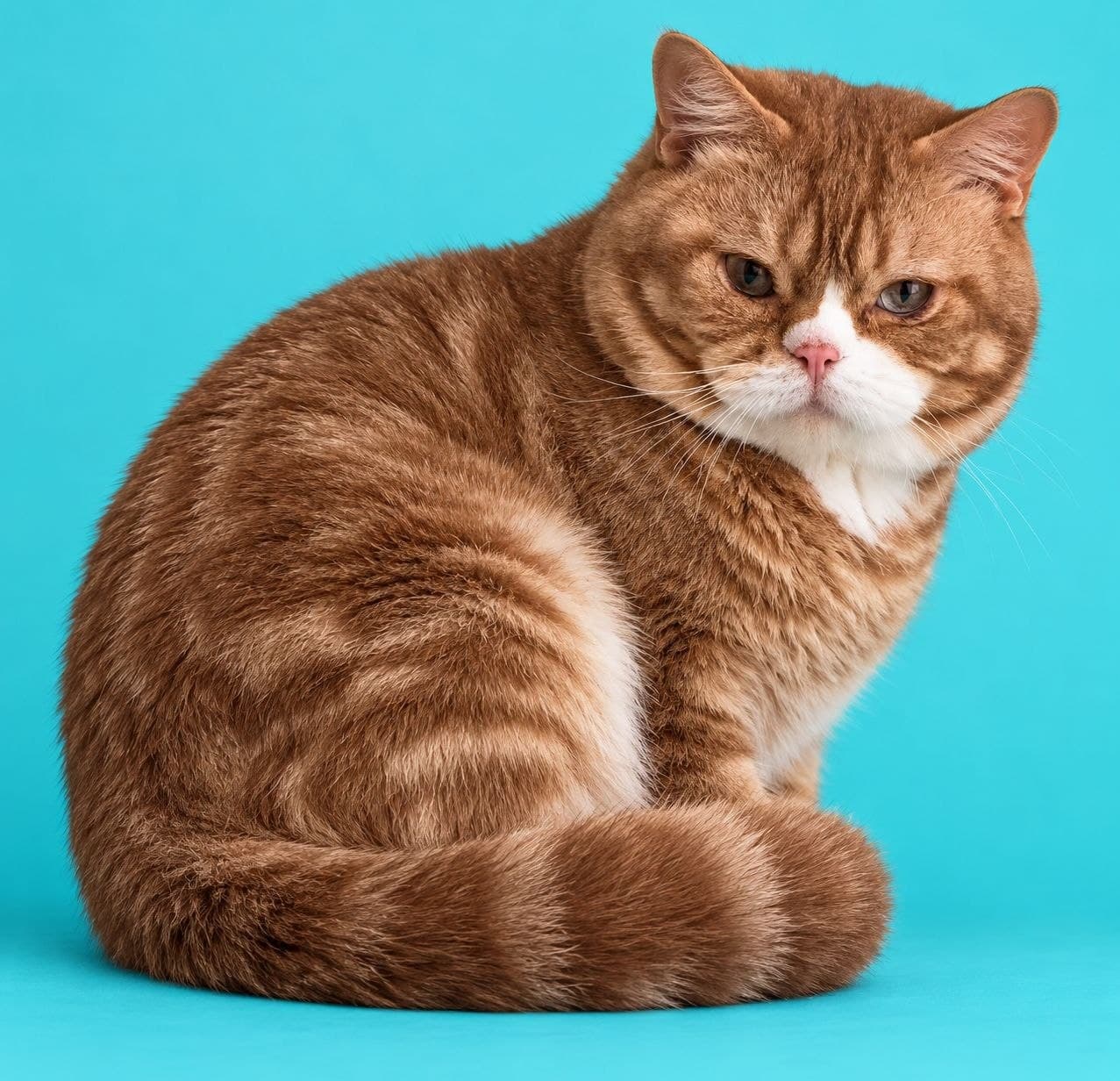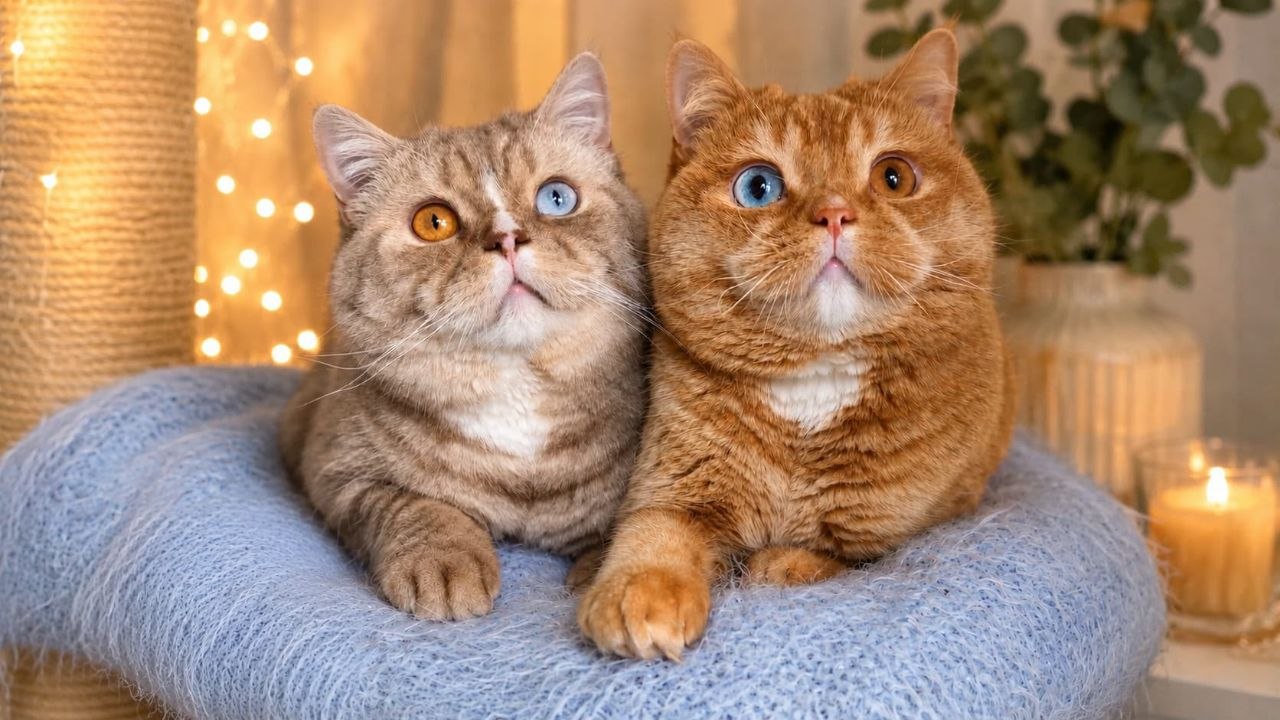
The orange British Shorthair—celebrated worldwide under names such as the red British Shorthair, ginger, or marmalade cat—is one of the most radiant and emotionally uplifting varieties in the feline fancy. While traditional solid blue remains the historic hallmark of the breed, a warm British Shorthair orange companion brings an undeniable golden warmth, sunny disposition, and royal charm to any family home.
Whether admirers refer to them as a glowing golden teddy-bear, a rich copper tiger, or a cream-toned pastel beauty, these felines combine the signature massive cobby bone structure and chubby cheeks of the British Shorthair with an affectionate, joyful temperament.
In this authoritative breed guide, Grand Liberty breaks down the unique genetics behind the orange coat, explains why male red cats outnumber females, details proper coat care, and highlights how certified pedigree breeding safeguards lifelong health.
The Spectrum of Orange British Shorthair Coat Colors and Varieties
When feline fanciers discuss British Shorthair colors, the orange spectrum encompasses far more than a single flat tone. In official feline registries such as the Fédération Internationale Féline (FIFe) and the World Cat Federation (WCF), orange felines are classified across several refined color divisions:
- Solid Red (EMS: BRI d): A rich, deep, warm copper or brick-red coat without visible white hairs. Because of the agouti gene mechanism in feline genetics, even non-agouti red cats carry subtle, warm ghost markings that glow like burnished mahogany.
- Orange Tabby & Striped British Shorthair: A vibrant agouti coat displaying distinct tabby patterns—including classic blotched (marble), mackerel (tiger-striped), or the aristocratic ticked tabby (BRI d 25) bred with pride at Grand Liberty.
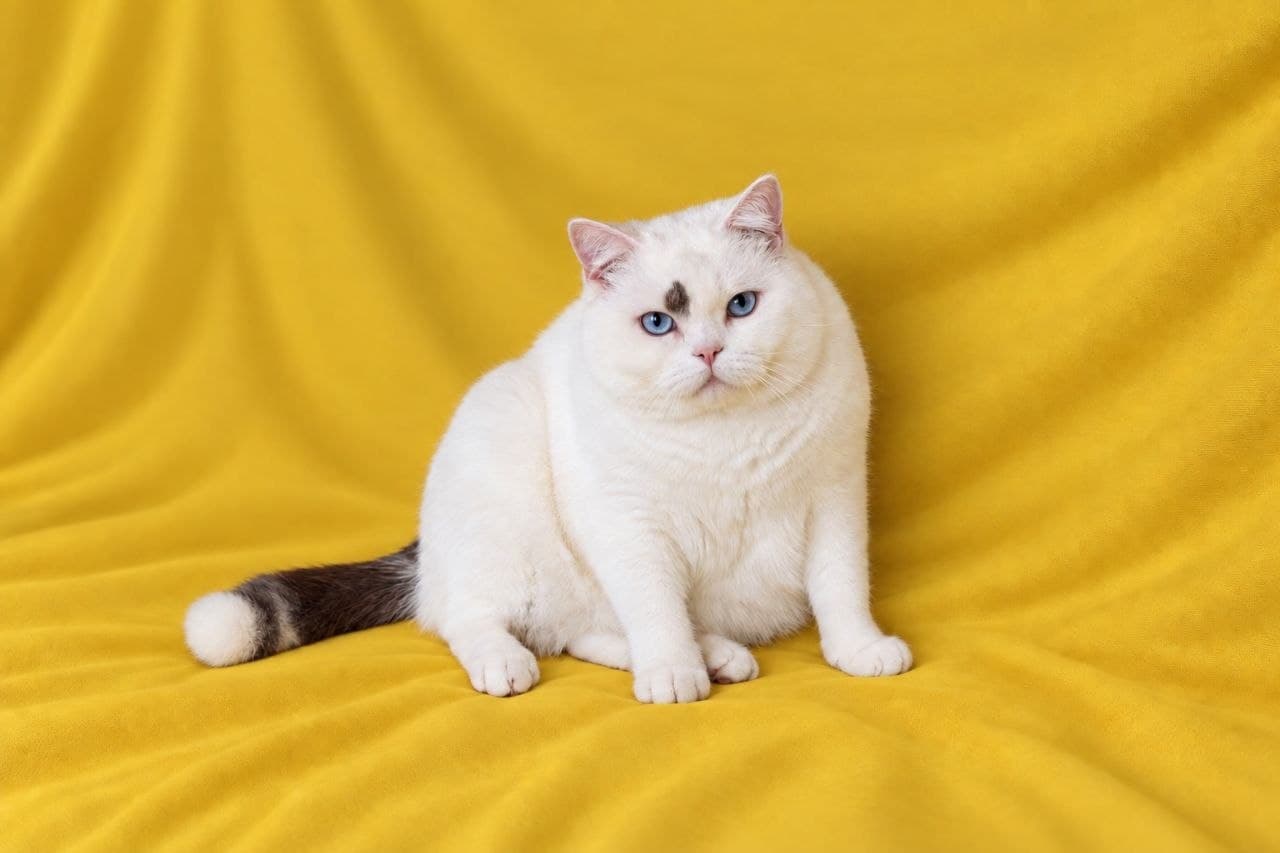
- Red and White Bicolor: A charming contrast pairing vivid warm orange patches with pure chalk-white chests, paws, and facial blazes.
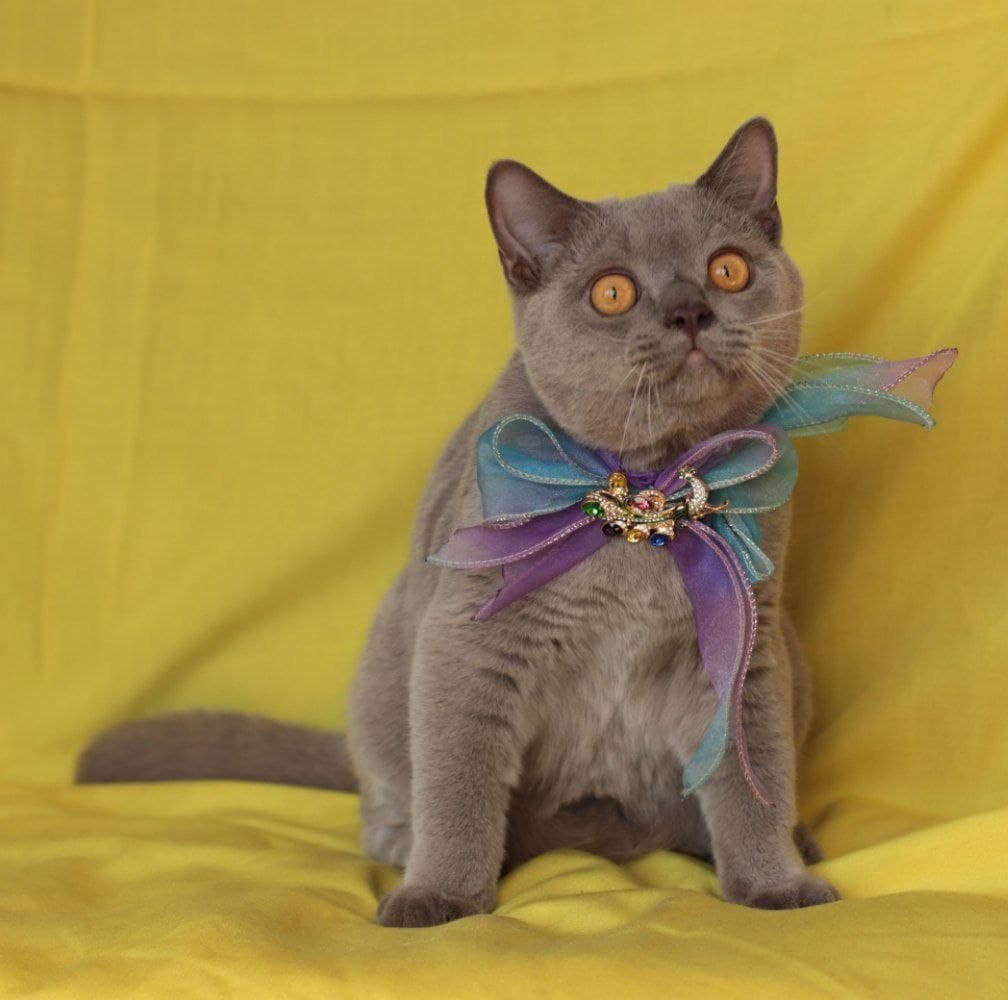
- Cream & Dilute Tones (EMS: BRI e): The pastel dilute expression of red, producing a delicate, cool powdery peach tone that looks like spun silk.
- Golden Shaded & Shell (EMS: BRI ny 11 / ny 12 / ny 25): The ultimate expression of warm feline luxury, where apricot undercoats are tipped with warm chocolate, black, or blue melanin, accented by vivid emerald-green eyes.
Understanding the Genetics of the Red and Orange Coat
The inheritance of red pigmentation in the British Shorthair is a fascinating chapter of mammalian genetics governed by the Orange gene locus (O):
1. Sex-Linked Inheritance on the X Chromosome: The gene responsible for producing phaeomelanin (warm orange/red pigment) is situated exclusively on the feline X chromosome. Because male cats possess only one X chromosome (XY), they require just a single copy of the O gene from their mother to display a full orange coat. 2. Why Male Orange Cats Outnumber Females: Female cats possess two X chromosomes (XX). For a female British Shorthair to be solid orange, she must inherit the O gene from both parents simultaneously (a red father and a red or tortoiseshell mother). If she inherits O on only one X chromosome, she becomes a tricolor calico or tortoiseshell. Consequently, approximately 80% of all red British Shorthairs are male. 3. The Interplay With Brown, Chocolate, and Lilac Series: In genetic testing through certified laboratories like Laboklin GmbH, the orange locus works independently of eumelanin loci (B, b, b'). The red gene completely masks black, chocolate, and cinnamon eumelanin, converting all dark pigment granules into warm, round phaeomelanin spheres.
| Color Phenotype | Genetic Code | Eye Color Standard | Grand Liberty Breeding Line |
|---|---|---|---|
| Red Solid / Tabby | O/Y (male) or O/O (female) | Deep Copper / Luminous Amber | A-Dendi Litter (BRI d 25) |
| Cream Dilution | O + d/d | Radiant Copper / Dark Orange | Rare Pastel European Lines |
| Golden Shaded | A/- + Wb wideband polygenes | Brilliant Emerald Green | Exhibition Show Queens |
| Tortoiseshell / Calico | O/o (female exclusively) | Amber or Odd Eyes | Foundation Breeding Queens |
Personality and Temperament of the Orange British Shorthair
Popular folklore frequently claims that "ginger cats have extra personality"—and owners of an orange British Shorthair cat overwhelmingly agree. While temperament in purebred felines is primarily determined by ethical selection, maternal stability, and thoughtful kitten socialization, orange British Shorthairs are renowned for:
- Outgoing Affection: Many owners report that red and orange males display an exceptionally friendly, confident, and trusting attitude toward human family members.
- Patient & Gentle With Children: With their robust, muscular frame and unflappable nervous system, they remain delightfully calm during household activity, never resorting to claws or agitation.
- Harmonious Living With Other Pets: Orange British Shorthairs integrate smoothly with friendly dogs and other companion cats, preferring peaceful coexistence and shared nap spots.
- Playful Curiosity Without Hyperactivity: They enjoy active daily play sessions with feather teasers and felt mice, followed by hours of contented lounging beside their favorite person.
Grooming and Nutritional Care for Vibrant Orange Coats
Maintaining the plush, crisp texture and vibrant coloration of an orange British Shorthair requires systematic care tailored to the breed's dense double pelt:
1. Coat Grooming Routine
- Brush your cat once or twice weekly using a high-grade steel comb or slicker brush to remove loose undercoat and prevent compaction.
- During the spring and autumn seasonal molts, increase grooming to three times weekly. This prevents excessive hair swallowing and supports gastrointestinal health.
- Never shave a British Shorthair; their dense double coat acts as a natural insulator against both cold and warm temperatures.
2. Species-Appropriate Nutrition
- Feed a moisture-rich wet diet formulated with high animal protein (minimum 65-70% real meat from poultry, rabbit, or lamb) according to FEDIAF and AAFP veterinary guidelines.
- Avoid foods high in artificial dyes, excessive carbohydrates, or grain fillers, which can trigger digestive inflammation and dull coat brilliance.
- Ensure constant access to fresh water via a circulating pet fountain to maintain optimal kidney hydration and urinary tract health.
Ethical Breeding Standards: Health Tests and Pedigree Verification
A purebred orange British Shorthair must never be purchased from unverified classified listings or casual hobby breeders who operate without health documentation. Because red cats have historically involved diverse pedigree foundations, ethical breeders implement stringent veterinary safeguards:
- Certified DNA Screening for PKD: Polycystic Kidney Disease is a dominant hereditary condition. All breeding parents at Grand Liberty are tested 100% negative via independent Laboklin DNA panels.
- Routine Cardiac Doppler (HCM Screening): Hypertrophic Cardiomyopathy requires annual ultrasound examinations performed by licensed veterinary cardiologists before any planned mating.
- Government Licensing (§11 TierSchG): In Germany, compliant catteries hold official certification under Section 11 of the Animal Protection Act, ensuring strict standards of space, hygiene, ventilation, and ethical care.
- Official Registry Transfer: Every kitten leaves with an internationally recognized pedigree from FIFe (Fédération Internationale Féline) or WCF (World Cat Federation), verifying generations of pure lineage.
How to Choose and Reserve an Orange British Shorthair Kitten
When looking to welcome an orange or red British Shorthair companion into your home, follow these essential steps: 1. Verify the Parents' Health Certificates: Ask to see verified negative Laboklin DNA test results for PKD and recent cardiac ultrasound reports. 2. Observe Socialization: Confirm that kittens are raised directly inside the breeder's living home—underfoot with human interaction—rather than in outdoor pens or isolated rooms. 3. Check Vaccination & Microchip Status: Reputable breeders never release a kitten before 12 to 14 weeks of age, following two rounds of comprehensive vaccinations, microchipping, and deworming. 4. Demand an Official Sales Agreement: Insist on a formal contract guaranteeing authentic pedigree registration and health transparency.
Explore our currently available litters in the kitten catalog or schedule a private consultation with our master breeder to discuss upcoming red and golden litters.
Sources and Veterinary References
- Fédération Internationale Féline (FIFe) Official Breed Standard and Color Codes.
- World Cat Federation (WCF) Genetics and Color Inheritance Guide.
- Laboklin Clinical Veterinary Genetics Laboratory Documentation (Bad Kissingen, Germany).
- European Advisory Board on Cat Diseases (ABCD) Feline Vaccination Guidelines.