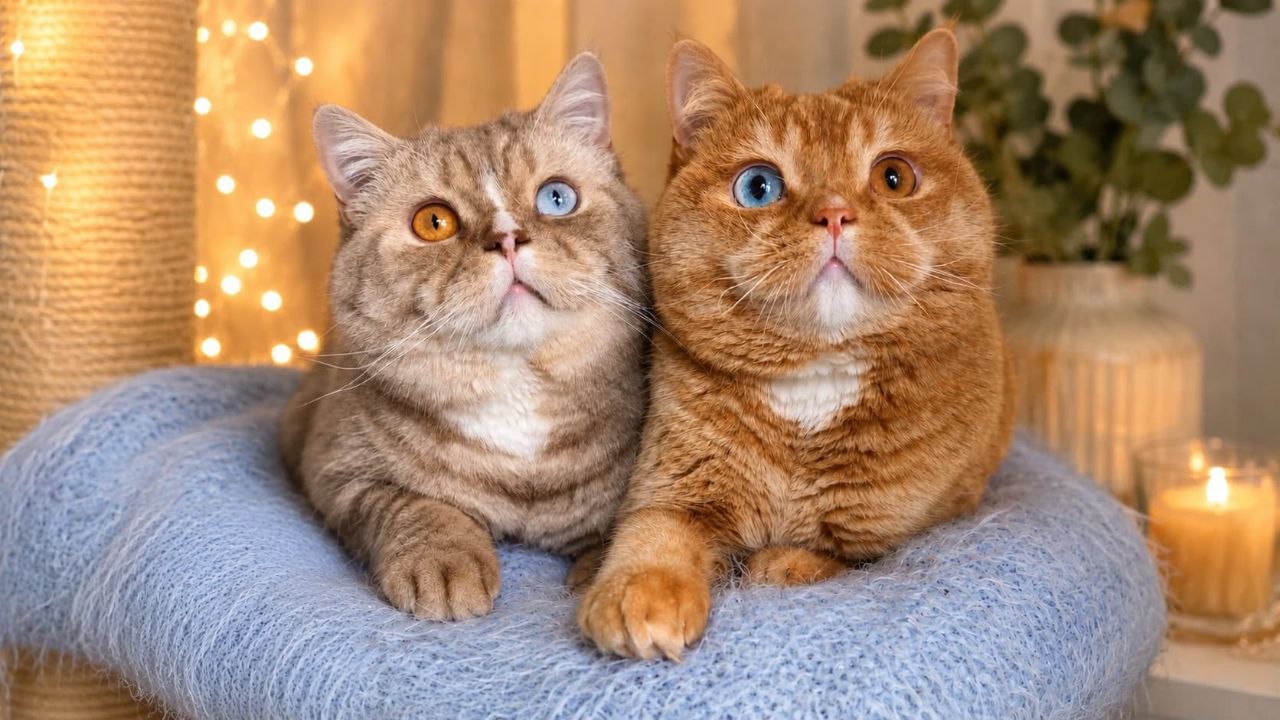
The smoke british shorthair represents one of the most enigmatic, visually captivating, and genetically sophisticated varieties within the British Shorthair breed standard. At first glance when resting quietly, a smoke cat appears to be a deeply colored solid feline. However, the moment the cat moves, runs, or ripples its plush coat, a dazzling flash of luminous, silvery-white underfur is unveiled beneath the deeply pigmented hair tips. This dramatic optical illusion creates a shimmering, living contrast that has fascinated pedigree feline fanciers for well over a century.
Producing an authentic smoke british shorthair demands an exacting mastery of feline coat genetics, selective polygenic refinement, and unwavering adherence to international preservation standards. At Grand Liberty, operating under full legal licensing pursuant to Section 11 of the German Animal Welfare Act (§11 TierSchG) and registered under Fédération Internationale Féline (FIFe Standard #729), we preserve rare silver and smoke bloodlines with deep historical provenance. Every breeding queen and stud undergoes comprehensive Laboklin genetic profiling (PKD1 N/N) and annual Doppler echocardiograms by certified feline cardiologists to rule out Hypertrophic Cardiomyopathy (HCM). In this comprehensive monograph, we explore the genetic mechanics of the Melanin Inhibitor (I) gene, define official show standards across color divisions—with special emphasis on the black smoke british shorthair kitten (EMS Code: BRI ns)—and provide authoritative guidance on grooming, developmental stages, and ethical acquisition.
The Genetic Architecture of the Smoke Coat
To truly appreciate the smoke variety, one must understand how feline pigmentation genes interact at the cellular level within the hair follicle. The smoke phenotype is not simply a dilute color or an accidental pale undercoat; it is the deliberate genetic union of a solid (non-agouti) coat with the dominant Melanin Inhibitor gene.
The Melanin Inhibitor Gene (I) and Non-Agouti (aa)
In feline genetics, two primary genetic loci govern the foundation of the smoke coat: 1. *The Non-Agouti Mutation (a/a): In standard tabby cats, the dominant agouti gene (A) causes alternating dark and light bands of pigment along each individual hair shaft. In solid-colored cats, the recessive non-agouti mutation (a/a*) silences this banding pattern, directing the melanocytes to deposit dense, unbroken pigment throughout the hair shaft. 2. *The Melanin Inhibitor Gene (I): The inhibitor gene is a dominant trait (I/*) that suppresses the deposition of melanin (eumelanin and phaeomelanin) exclusively during the early phases of hair shaft growth. As hair grows from the follicle, the initial 20% to 50% of the basal shaft is devoid of pigment, appearing as bright, sparkling silver-white. As the hair continues to grow outward, pigment production resumes, producing a deeply saturated solid tip.
When the dominant inhibitor gene (I) is combined with the recessive non-agouti genotype (a/a), the result is a true smoke cat: a genetically solid cat whose roots are translucent, unpigmented white.
``` Genotype Formulation for Smoke British Shorthairs: Non-Agouti Foundation: a/a (Solid coloration) Inhibitor Presence: I/I (Homozygous) or I/i (Heterozygous) Pigment Distribution: Basal root (20–40%) is silvery-white; outer shaft (60–80%) is intensely colored. ```
Contrast Comparison: Smoke vs. Shaded vs. Chinchilla
It is vital to distinguish true smoke varieties from silver shaded and chinchilla felines, which are often confused by casual observers:
| Variety Type | Agouti Genotype (A locus) | Inhibitor Genotype (I locus) | Pigment Tipping Depth | Undercoat Coloration | Eye Color Standard (FIFe #729) |
|---|---|---|---|---|---|
| True Smoke (e.g., BRI ns) | Non-Agouti (a/a) | Inhibitor present (I/-) | 60% – 80% solid pigment at tip | Pure sparkling silvery-white | Brilliant copper, orange, or deep amber |
| Silver Shaded (BRI ns 11) | Agouti (A/-) | Inhibitor present (I/-) + Wideband | ~33% (1/3) dark tipping | Pure silvery-white with subtle mantle | Intense emerald green or blue-green |
| Silver Chinchilla (BRI ns 12) | Agouti (A/-) | Inhibitor present (I/-) + Wideband | ~12.5% (1/8) micro-tipping | Pure glistening white | Luminous emerald green with black eyeliner |
| Solid Self (e.g., Black BRI n) | Non-Agouti (a/a) | Recessive normal (i/i) | 100% solid pigment from root to tip | Matches outer coat; zero contrast | Brilliant copper to orange |
Spotlight on the Black Smoke British Shorthair Kitten (BRI ns)
Among all smoke variations, the black smoke british shorthair kitten is universally regarded as the quintessential and most visually dramatic representative of the category. Known internationally under EMS code BRI ns (n = black, s = silver/smoke), this variety offers the highest possible visual contrast.
Conformation and Phenotypic Standards
According to FIFe, WCF, and TICA standards, an exemplary black smoke kitten exhibits:
- The Coal-Black Cloak: In repose, the kitten's back, flanks, head, and paws present a rich, glossy, coal-black hue without brown or rusty undertones.
- The Silver Mask and Ruff: Around the neck and ears, the lighter undercoat often creates a silvery ruff, accentuating the wide, rounded jowls and broad skull. The silver ear tufts contrast strikingly against the black exterior of the ear pinna.
- The Secret Silver Undercoat: When parting the fur on the spine or shoulders, the basal roots must reveal a crisp, snow-white foundation that extends at least one-quarter of the total hair length.
- Eye Coloration: Unlike silver shaded cats which possess green eyes, true black smoke British Shorthairs must display deep, radiant copper, vivid orange, or intense amber eyes. Pale green or yellow rings are considered faults in the show ring.
- Paw Pads and Nose Leather: The nose leather must be solid coal-black, and paw pads must be pitch black or dark seal brown, framing the cobby paws.
The Mystery of Kittenhood Ghost Markings
Prospective owners acquiring a black smoke british shorthair kitten frequently encounter temporary developmental phenomena:
- Juvenile Ghost Tabbies: Because the non-agouti (a/a) gene requires several molting cycles to fully suppress underlying tabby pattern genes, smoke kittens often display faint ghost stripes or rings on their flanks and tail between 8 and 20 weeks of age.
- The Adult Coat Transition: As the kitten sheds its soft neonatal coat around 7 to 9 months, the ghost markings fade into a smooth, even black mantle. Full contrast and optimal coat density typically stabilize between 18 and 36 months of age.
Other Smoke Variations in the British Shorthair
While black smoke is the classic standard, the inhibitor gene expresses across all accepted solid color foundations in the British Shorthair breed:
1. Blue Smoke (BRI as): A soft, slate-blue topcoat over a glacial silver-white undercoat. Nose leather and paw pads are slate gray, complemented by copper or orange eyes. 2. Chocolate Smoke (BRI bs): Rich, warm bittersweet chocolate tipping contrasting against an ivory-silver base. Highly prized for its velvety warmth. 3. Lilac Smoke (BRI cs): Frosted lavender-pink tipping over a glistening silver undercoat, paired with warm copper eyes. 4. Red Smoke (BRI ds): Brilliant fiery red tipping over a white undercoat. Because red felines often express pseudo-agouti patterns, breeding red smokes with clean tipping requires decades of selective line breeding. 5. Cream Smoke (BRI es): Delicate pastel cream tipping over a snow-white undercoat, offering an ethereal, subtle contrast. 6. Tortie Smoke (e.g., Black Tortie Smoke BRI fs): A magnificent mosaic of black and red patches, both underlaid with a luminous silver-white base. Tortie smokes are almost exclusively female.
Specialized Grooming Protocol for Smoke British Shorthairs
Maintaining the optical perfection of a smoke british shorthair requires a specialized grooming regimen to preserve the sharp demarcation between white roots and pigmented tips.
Preventing "Rufusing" and Oxidation
The most persistent challenge in smoke coat maintenance is rufusing—a brownish, reddish discoloration caused by the degradation of black eumelanin:
- Sunlight Protection: Direct, prolonged exposure to intense sunlight bleaches the black guard hairs into a rusty red hue. Provide UV-filtering window films or shaded indoor sanctuaries during peak afternoon hours.
- Nutritional Support: Ensure diets are rich in high-quality animal proteins containing adequate levels of tyrosine and phenylalanine, the essential amino acid precursors required by melanocytes to synthesize deep black eumelanin.
- Bathing and Specialized Shampoos: Bathe your smoke cat only when necessary, using professional optical-brightening shampoos formulated for silver and black contrast. Avoid harsh bleaching agents or chemical dyes that damage the woolly undercoat.
- Comb Selection: Groom weekly with a dual-spaced stainless steel comb. Never use aggressive undercoat rakes or deshedding blades that cut or strip the pigmented tips, as this creates an unsightly patchy appearance where the white undercoat peeks through prematurely.
Visual Evaluation and Conformation Checklist
When inspecting an adult or adolescent Smoke British Shorthair for show or breeding potential, utilize this structured evaluation rubric:
- [ ] 1. High Base Contrast: Part the fur on the back and flanks; confirm the basal 25% to 40% of the hair shaft is pure, luminous silvery-white with zero dinginess.
- [ ] 2. Richly Saturated Tips: In repose, the surface coat must appear solid and evenly pigmented, free from premature white tipping on the outer guard hairs.
- [ ] 3. Deep Eye Saturation: Confirm large, round, expressive eyes of deep copper, burnt orange, or rich amber; verify absence of green rings or pale centers.
- [ ] 4. Absence of Rufus Discoloration: Check the coat under natural daylight; verify no reddish-brown tarnishing along the spine, muzzle, or flanks.
- [ ] 5. Classic Cobby Conformation: Broad, muscular chest; short, sturdy legs; rounded paws; short, thick tail with a rounded tip.
- [ ] 6. Round Head Architecture: Broad skull, rounded cheeks and prominent whisker pads, small rounded ears set broad and low on the head.
- [ ] 7. Verified Genetic Pedigree: Authentic multi-generation pedigree from FIFe or WCF confirming unbroken smoke or silver ancestry; negative Laboklin PKD1 N/N test certificates and clear parental HCM Doppler echocardiograms.
Whether lounging as an affectionate, plush family pet or competing in the championship ring, the Smoke British Shorthair stands as a testament to the art and science of preservation breeding. To explore our upcoming litters, view our available kittens, study our breeding cats, review our delivery terms, or request an in-depth breeding consultation with Grand Liberty.