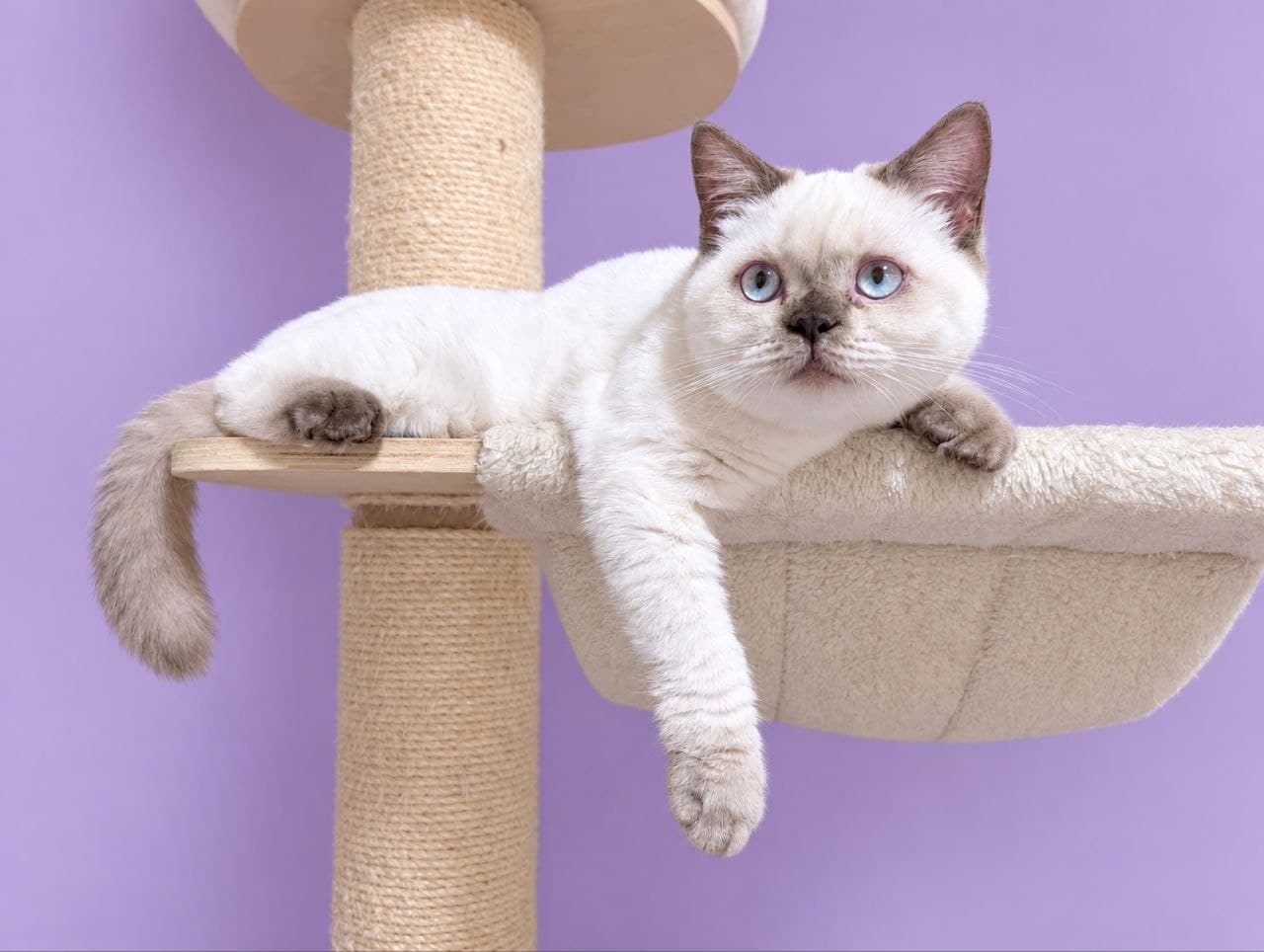
British Shorthair kitten socialization temperament is fundamentally forged during the primary sensitive period between weeks 3 and 12 of life. During this critical neurological imprint window, kittens transition from maternal dependence to active environmental engagement. Providing deliberate, gentle human handling, structured sensory habituation to household stimuli, and uninterrupted maternal guidance until at least 12 to 14 weeks prevents lifelong behavioral pathologies such as fear-aggression, neophobia, and attachment distress.
Early Kitten Socialization Milestones Weeks 3 to 12
The neurodevelopmental trajectory of a feline neonate accelerates dramatically once sensory organs mature. Understanding early kitten socialization milestones weeks 3 to 12 allows breeders and dedicated caregivers to deliver the exact stimuli required at each cognitive phase without inducing distress.
From weeks 3 to 4, kittens experience sensory emergence. Their auditory canals open and binocular vision sharpens, initiating primary exploratory behaviors outside the nesting box. At this stage, socialization involves subtle environmental changes, varied tactile substrates (such as fleece, wood, and cotton towels), and brief, passive human presence. Between weeks 5 and 7, social play peaks. Kittens begin testing physical boundaries with littermates, an essential interaction that teaches bite inhibition and body language interpretation.
Weeks 8 through 12 mark the consolidation phase. Synaptic pruning occurs as the kitten's brain preserves neural pathways that receive frequent, positive reinforcement while eliminating unused ones. Introducing complex problem-solving toys, safe vertical scratching structures, and controlled novel experiences during this window embeds enduring emotional stability into the British Shorthair's baseline temperament.
- Weeks 3-4: Sensory awakening, gentle hand scenting, micro-explorations within 1 meter of the nest.
- Weeks 5-7: Littermate rough-and-tumble play, maternal boundary corrections, introduction of solid foods.
- Weeks 8-10: Rapid spatial mapping, introduction of complex climbing surfaces, short separation intervals from the queen.
- Weeks 11-12: Full cognitive consolidation, complex motor skill mastery, and positive response habituation.
Acclimating Kittens to Gentle Human Handling
British Shorthairs are celebrated for their calm, composed dignity, but an affectionate nature must be intentionally cultivated. Acclimating kittens to gentle human handling must begin as early as week 3 through predictable, positive physical contacts that respect the kitten's autonomy.
Handling sessions should occur multiple times daily in short increments of two to five minutes. Caregivers must avoid sudden, restrictive grips. Instead, support the kitten's chest and hindquarters fully, reinforcing the British Shorthair's intrinsic preference for physical stability. Practice gentle paw manipulation, extending the claws lightly, stroking the inner pinnae of the ears, and parting the lips to inspect teeth. These micro-interactions condition the kitten to accept veterinary examinations and routine grooming without physiological stress.
It is crucial that human interactions are paired with positive reinforcement, such as soothing vocal tones and early licks of high-value wet food. Forcing physical restraint during fear responses causes setbacks in trust; handling must always end on a calm, relaxed interaction to reinforce security.
Desensitizing Kittens to Vacuum Cleaners and House Noise
Domestic homes are dense with high-frequency auditory and mechanical stimuli that can cause enduring acoustic phobias if introduced abruptly. Desensitizing kittens to vacuum cleaners and house noise requires systematic, low-intensity exposure paired with appetite-driven or play-based counterconditioning.
Commence acoustic conditioning during weeks 5 and 6 using controlled acoustic playlists playing urban, vacuum, and storm noises at near-imperceptible volumes during communal feeding. Because the emotional state during eating is inherently parasympathetic and rewarding, acoustic associations default to safety rather than panic. Gradually increase the volume over several days, observing physical indicators such as ear rotation and pupil dilation.
When introducing physical appliances like robotic or upright vacuum cleaners, initiate exposure with the motor powered off, allowing the kittens to rub against and inspect the object. Transition to running the vacuum in an adjacent room with the door ajar while offering praise or interactive wand play. By step-wise dampening the shock value of mechanical sounds, the British Shorthair develops an unflappable, confident demeanor in bustling family environments.
Why Kittens Must Stay With Mother Until 12 Weeks
Ethical breeding standards governed by FIFe and the rigorous criteria of §11 of the German Animal Welfare Act (TierSchG) mandate that pedigree kittens remain in their cattery of birth until at least 12 to 14 weeks of age. The physiological rationale explaining why kittens must stay with mother until 12 weeks centers on critical behavioral calibration rather than mere nutritional weaning.
While kittens transition to solid food between weeks 5 and 7, nutritional weaning is only the preliminary phase. Behavioral and emotional weaning occurs between weeks 8 and 12. During this period, the queen teaches emotional self-regulation through maternal reprimands. When a kitten plays too roughly or nurses demandingly, the mother delivers precise vocalizations and physical redirections, teaching frustration tolerance and impulse control that humans cannot duplicate.
Removing a kitten prior to 12 weeks disrupts the development of primary attachment security. Premature separation frequently results in lifelong behavioral sequelae, including compulsive wool-sucking, inappropriate vocalization, chronic stress-induced idiopathic cystitis, and defensive fear-biting. The 12-to-14-week residency guarantees a physiologically robust, emotionally resilient companion.
Raising Affectionate Fearless British Shorthairs
The culmination of systematic socialization is a cat that epitomizes the breed standard: robust, serene, loyal, and quietly affectionate. Raising affectionate fearless British Shorthairs requires harmonizing the breed's natural disposition with thoughtful environmental enrichment.
British Shorthairs are typically not lap-clingers; they prefer the 'four-paws-on-the-ground' approach to companionship, often choosing to sit adjacent to their humans rather than being held indefinitely. Respecting this innate boundary prevents defensive aloofness. Providing interactive routines—such as target training, treat foraging, and evening play cycles—deepens interspecies bonding while keeping their intelligent minds stimulated.
When transferring an impeccably socialized British Shorthair into their new home after 12 to 14 weeks, continue the breeder's foundational protocols. Establish a quiet sanctum room for the first 48 hours, maintain identical feeding and litter textures, and gradually expand territory. This continuity preserves the confidence forged during the primary imprint window, ensuring your British Shorthair remains an emotionally balanced family companion for life.
Comprehensive British Shorthair Socialization & Desensitization Checklist
- Tactile Conditioning: Daily gentle handling, including belly touch, paw pad examination, and ear inspection.
- Acoustic Habituation: Progressive exposure to vacuum cleaners, blenders, doorbells, and thunder soundscapes.
- Grooming Acclimation: Introductions to soft bristle brushing, slicker combs, and nail clippers by week 6.
- Substrate Variety: Walking across ceramic tile, plush carpet, hardwood, corrugated cardboard, and crinkled paper.
- Transport Preparation: Open cat carriers integrated into the play area as resting nests with synthetic pheromone support.
- Interspecies Neutrality: Visual and scent-based introductions to cat-friendly dogs or other adult vaccinated felines.
- Vet Care Simulation: Weekly weight checks on a digital baby scale and simulated oral syringe administration using water or bone broth.
- Maternal Social Weaning: Uninterrupted living with the queen and littermates until 12 to 14 weeks minimum.
Summary & Next Steps
A well-adjusted British Shorthair is sculpted by patient, scientifically backed socialization during the critical 3-to-12-week imprint window. Adherence to gentle handling, acoustic desensitization, and respecting the mandatory 12-to-14-week maternal stay will yield a fearless, loving, and emotionally secure adult cat. For current availability of comprehensively socialized, pedigree kittens raised under strict FIFe and §11 TierSchG standards, explore our available litters or contact Grand Liberty cattery directly.
Sources & References
- Fédération Internationale Féline (FIFe) Breeding & Registration Rules, Section 4: Welfare and Rearing Standards.
- German Animal Welfare Act (TierSchG) §11: Commercial Breeding, Animal Housing, and Socialization Mandates.
- Beaver, B. V. (2003). Feline Behavior: A Guide for Veterinarians. Saunders/Elsevier Science.
- Crowell-Davis, S. L., & Murray, T. (2006). Veterinary Psychopharmacology and Feline Social Development. Blackwell Publishing.