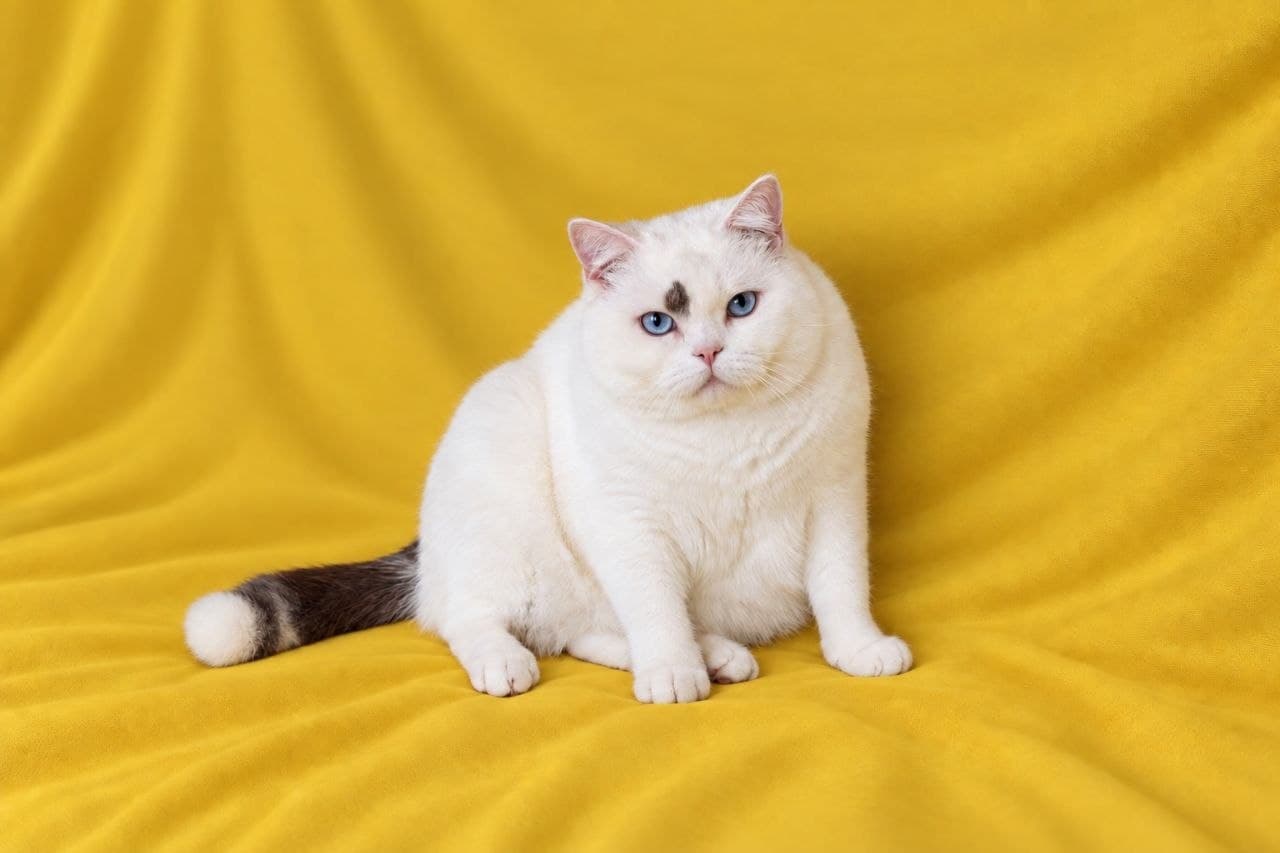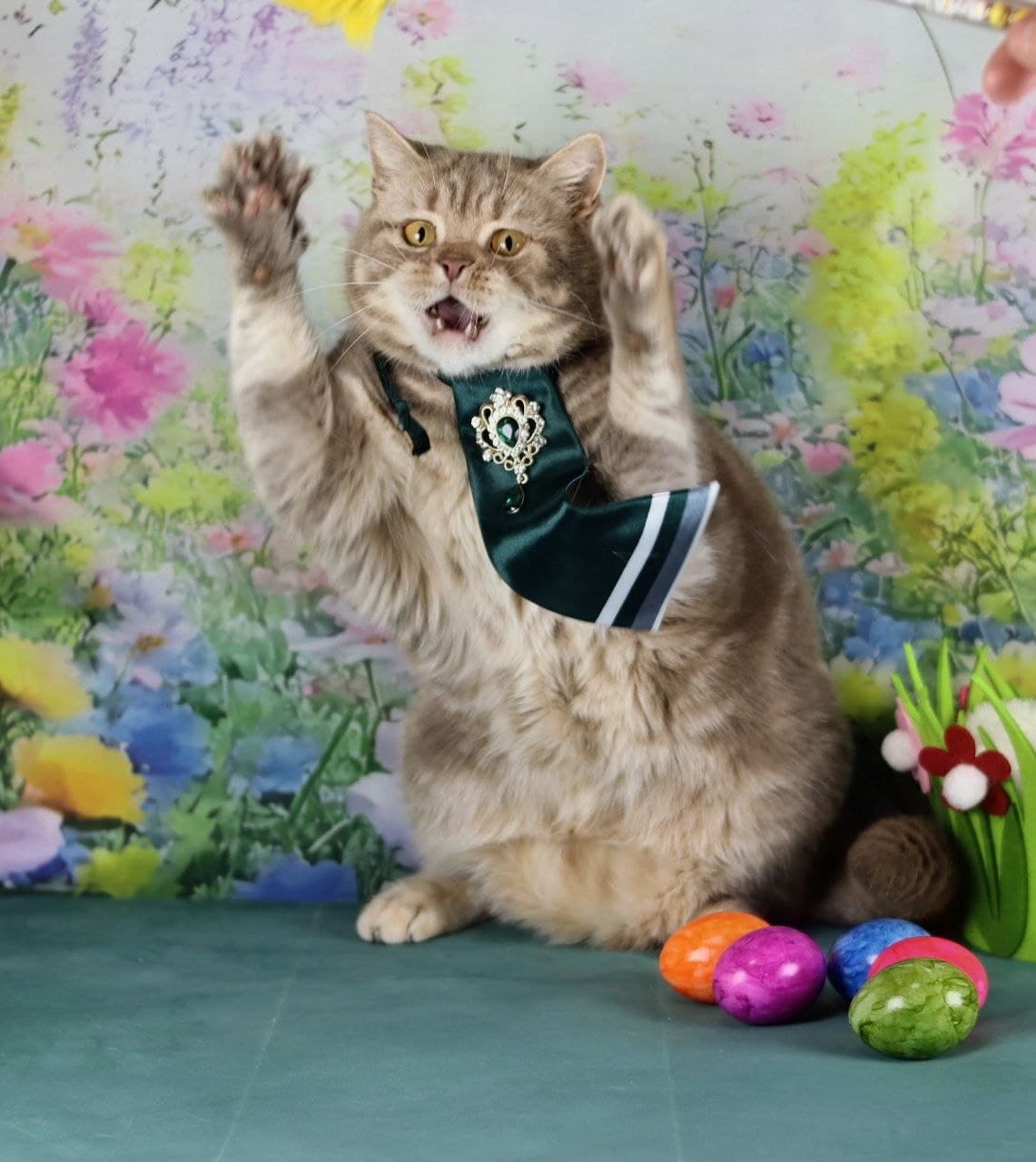
British Shorthair apartment living succeeds exceptionally well due to the breed's grounded, composed temperament, provided owners actively cat-proof hazardous zones and enrich vertical dimensions. Because British Shorthairs are stocky, heavy-boned felines prone to sedentary lifestyles, an apartment must intentionally incorporate reinforced climbing routes, strictly secured windows, and scheduled cognitive play to prevent excess weight gain and mental stagnation.
Cat Proofing Apartment Windows and Balconies
In urban multi-story dwellings, windows and balconies represent the single greatest physical threat to an indoor cat. British Shorthairs are typically not reckless acrobats, but visual stimulation from outdoor birds or sudden noises can trigger an instinctive lunge. Tilted European hopper windows are especially lethal; a cat attempting to squeeze through can slide down into the narrowing V-gap, suffering catastrophic aortic compression or spinal trauma within minutes.
To establish effective cat proofing apartment windows and balconies, install mechanical wedge guards or side-mounted protective grilles on all bottom-hung tilt windows before ever leaving them cracked open. For open-window ventilation, custom wooden or aluminum frames fitted with pet-grade stainless steel insect mesh or heavy-duty wire cloth must be locked into the window casing. Standard fly screens tear under pressure and offer zero impact resistance against a 5-kilogram adult British Shorthair.
Balcony safety requires an all-weather, wire-reinforced polypropylene netting system secured with non-invasive tension poles or structural anchor eyelets. Ensure the mesh size does not exceed 3 centimeters to prevent juvenile heads from wedging. Inspect the tension lines every spring and autumn to account for thermal expansion and seasonal weathering.
- Install rigid tilt-window wedge grates (Kippfensterschutz) along both side flanks and the top apex.
- Use wire-reinforced balcony netting anchored at floor, ceiling, and lateral wall perimeters.
- Fit exterior-facing doors with magnetic slam-stops to eliminate tail and torso crushing incidents.
Vertical Space and Scratching Posts in Apartments
Square footage on the floor does not define the psychological territory of an indoor cat. When optimizing vertical space and scratching posts in apartments, the objective is to double your feline's usable living envelope without consuming valuable human walking paths. British Shorthairs prefer wide, sturdy platforms over flimsy, swaying structures due to their broad chests and substantial body mass.
Select scratching trees equipped with heavy wooden baseplates and solid sisal trunks that measure at least 12 to 15 centimeters in diameter. A mature British Shorthair male requires a minimum post height of 85 to 90 centimeters to achieve a full-body vertical stretch without arching unnaturally. Wobbly multi-tiered towers cause hesitation and will quickly be abandoned by cautious British Shorthairs in favor of your sofa.
Wall-mounted stepped bridges, sisal-wrapped walking planks, and reinforced corner perches allow the cat to survey the living room from elevated safety. Situate vertical walkways adjacent to human social zones, such as beside desks or above sofas, so the cat remains part of family activity while retaining the option to rest undisturbed.
- Opt for scratching posts with minimum 12-centimeter trunk diameters and solid wood bases.
- Create stepped wall runways with non-slip cork or sisal step pads rated to support 10+ kilograms.
- Place resting platforms at shoulder height or higher near common living areas for security.
Toxic Houseplants to Remove for Cats
Urban indoor living often invites dense decorative greenery, yet botanical safety is frequently overlooked in modern apartment styling. Felines lack specific hepatic glucuronidation pathways, rendering them incapable of metabolizing common plant toxins. Even a minor nibble on ornamental foliage can result in acute renal failure, hepatic necrosis, or severe chemical gastroenteritis.
When auditing toxic houseplants to remove for cats, eliminate all members of the Lilium and Hemerocallis genera immediately; every fraction of a true lily—including pollen dust washed from the coat or water from the vase—causes fatal acute tubular necrosis in cats. Dieffenbachia, Monstera deliciosa, Philodendron, and Epipremnum aureum (Pothos) contain insoluble calcium oxalate raphides that pierce oral tissues, triggering acute swelling, hypersalivation, and airway obstruction.
Replace hazardous flora with thoroughly vetted, cat-safe greenery such as Boston ferns (Nephrolepis exaltata), Calathea species, and Chlorophytum comosum (Spider Plant). Provide fresh pots of organic oat, wheat, or barley grass to satisfy natural fiber foraging instincts safely.
- Strictly ban lilies, ZZ plants (Zamioculcas zamiifolia), monsteras, and sago palms from the home.
- Provide certified organic cat grass trays to deter chewing on furniture and decorative flora.
- Verify all florist bouquets before entry; refuse any arrangement containing unidentified foliage.
Daily Exercise and Mental Stimulation Indoors
Due to their steady metabolic rate, British Shorthairs do not exhibit the high-octane restlessness of oriental breeds. However, their understated nature can be deceptive; without deliberate physical activation, indoor British Shorthairs are particularly susceptible to obesity, hepatic lipidosis, and osteoarthritis. Consistent engagement prevents boredom from manifesting as apathy or nocturnal disruption.
Structured daily exercise and mental stimulation indoors requires two focused interactive play sessions lasting 10 to 15 minutes each day. Heavy-bodied cats thrive on structured predatory sequences: stalk, chase, capture, bite, and eat. Employ rigid carbon-fiber wands with replaceable natural feather lures or deer-hair attachments to simulate erratic insect and small mammal movements across floor mats and climbing posts.
Complement physical play with mental workouts using puzzle feeders, snuffle mats, and clicker training. Scattering the cat's daily dry kibble or freeze-dried meat treats into labyrinth boards slows digestion and taps into natural foraging patterns, keeping brain pathways sharp throughout mature adulthood.
- Conduct two 15-minute wand play sessions daily, timed before morning and evening meals.
- Replace open food bowls with foraging mazes and weighted wobble-feeders to curb gulping.
- Rotate toys on a weekly schedule into sealed catnip boxes to maintain scent and novelty value.
Litter Box and Feeding Station Placement in Small Spaces
In compact urban layouts, human convenience often clashes with feline behavioral biology. Cats are obligate carnivores that naturally separate their elimination, hydration, and nutritional territories. Clustering these resources in a single utility corner or cramped bathroom is a leading cause of idiopathic cystitis, feeding aversion, and periuria in apartment cats.
When orchestrating litter box and feeding station placement in small spaces, follow the standard behavioral formula: provide one litter tray per cat plus one extra, distributed across distinct zones. British Shorthairs require expansive, open-top litter pans measuring at least 1.5 times the length of the cat from nose to base of tail. Avoid noisy locations directly adjacent to vibrating washing machines, tumble dryers, or drafty entryways.
Food and water stations must be separated by at least two meters. In nature, water sources located next to fresh kills are suspected of contamination; cats maintain an instinctual drive to drink away from their food bowl. Position ceramic or stainless steel water fountains in calm corridors or lounge corners to encourage steady renal hydration.
- Maintain the n+1 litter box rule across separate rooms, choosing oversized open trays.
- Separate water fountains from food dishes by at least two meters to promote frequent hydration.
- Avoid placing resource stations in high-traffic hallways or against vibrating household appliances.
Apartment Setup & Cat-Proofing Inspection Checklist
- Window Tilt Guards: Rigid side and apex blockers secured on every hopper-style window frame.
- Ventilation Barriers: Custom aluminum frames fitted with stainless steel or heavy pet wire.
- Balcony Containment: Weatherproof, bite-resistant wire-interwoven safety netting installed to full height.
- Botanical Audit: Removal of all lilies, aroids, ficus, and euphorbias; provision of fresh oat grass.
- Vertical Infrastructure: Minimum one heavyweight scratching post (12cm+ post width) and two wall perches.
- Hydration Stations: Circulating ceramic fountains placed in quiet living zones away from the food source.
- Litter Strategy: Large, uncovered litter trays sited away from loud domestic appliances.
- Cable & Blind Security: Loose electronics cords shielded in split-tubing; blind cords wound out of reach.
Summary & Next Steps
A British Shorthair can flourish in an urban apartment when physical safety and environmental complexity are prioritized from day one. By securing hazardous window mechanics, establishing robust vertical pathways, and separating core biological resources, you create a calm, intellectually enriching territory that honors the breed's composed nature. To ensure your apartment configuration meets the highest animal welfare benchmarks, systematically audit each room using the inspection checklist above before bringing your feline companion home.
Sources & References
- World Cat Federation (WCF) & FIFe Standard Specifications for the British Shorthair Breed
- German Animal Welfare Act (TierSchG) §11 Housing and Environmental Enrichment Standards
- International Society of Feline Medicine (ISFM) Environmental Enrichment Guidelines for Indoor Cats
- ASPCA Animal Poison Control Center: Toxic and Non-Toxic Plant Database
- Journal of Feline Medicine and Surgery: Feline Environmental Needs Guidelines (AAFP/ISFM)