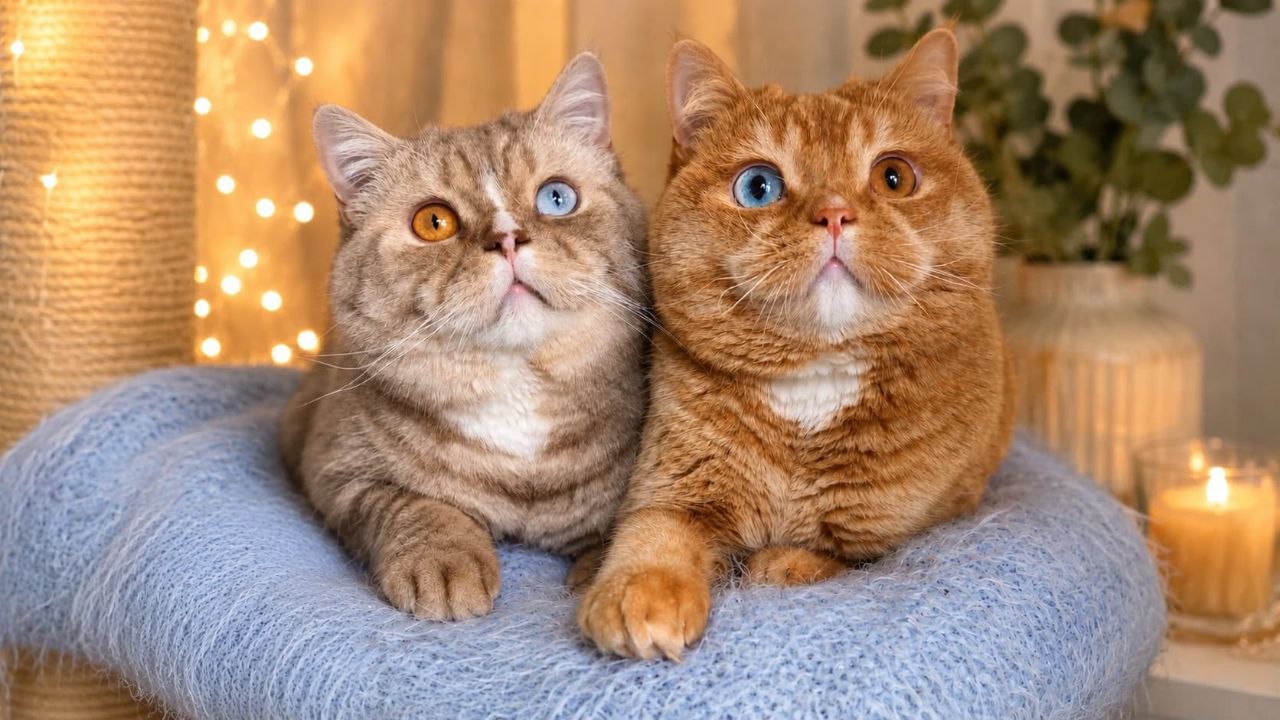
The british shorthair chinchilla kitten represents one of the most mesmerizing, aristocratically refined varieties in the international feline fancy. Often described as a living masterpiece of silver and light, the purebred Chinchilla British Shorthair combines the sturdy, rounded cobby architecture of the classic British breed with a sparkling, ethereal coat tipped delicately in black. Originating from meticulous selective breeding between British Shorthairs and silver shaded Persian lineages in the mid-twentieth century, this variety possesses an iconic open facial expression, striking jewel-toned emerald eyes, and an affectionate, gentle demeanor.
Prospective owners captivated by the exquisite beauty of a british shorthair golden chinchilla kitten or its silver counterpart must understand the complex genetics, conformation standards, and specialized pediatric care required to maintain these rare treasures. At Grand Liberty, operating under rigorous licensing pursuant to Section 11 of the German Animal Welfare Act (§11 TierSchG) and registered under Fédération Internationale Féline (FIFe Standard #729) and WCF, our chinchilla breeding programs focus on structural soundness, pure pigment genetics, and robust health. In this comprehensive master guide, we delve into the genetic architecture of the BRI ns 12 (Silver Chinchilla / Shell) and BRI ny 12 (Golden Chinchilla) varieties, analyze standard conformation markers, and provide practical care protocols for coat brilliance and lifelong vitality.
Genetics and Morphology of the British Shorthair Chinchilla Kitten (BRI ns 12)
In the international EMS (Easy Mind System) classification utilized by FIFe and WCF, the Silver Chinchilla is officially designated as BRI ns 12 ("n" for black eumelanin, "s" for silver inhibitor, "12" for shell tipping). Understanding the distinction between a true Chinchilla (shell) and a Shaded cat is fundamental for any pedigree connoisseur.
The Genetic Architecture of the Silver Shell Variety
The breathtaking appearance of the Silver Chinchilla results from a rare combination of polygenic complexes and dominant inhibitor genes: 1. *The Dominant Melanin Inhibitor Gene (I):* The dominant inhibitor gene completely suppresses the synthesis of phaeomelanin (yellow-red pigment) and halts eumelanin (black pigment) production in the basal and mid-shaft sections of each individual hair, rendering the undercoat a luminous, pure sparkling white. 2. *The Agouti Gene (A) & Non-Pattern Polygenes:* The cat carries the agouti background, but selective polygenic pressure erases visible tabby stripes, whorls, or mackerel bars on the body, leaving a completely uniform canvas. 3. *The Wideband (Wb) Gene Complex: The wideband complex expands the unpigmented band of the hair shaft to its absolute maximum. In a true Chinchilla (shell*), the black tipping is restricted to the outer 1/8th (12.5%) of the hair shaft. By contrast, a Silver Shaded cat (BRI ns 11) displays dark tipping extending across 1/3rd (33%) of the hair shaft, resulting in a noticeably darker, mantle-like appearance. 4. Elimination of Rufism: World-class chinchilla breeding requires decades of careful selection to eliminate "rufism"—undesirable tarnishing, yellowish patches, or rusty brown hues that appear when residual phaeomelanin breaks through on the muzzle, paws, or spine.
Iconic Facial Cosmetics and Contrast
The hallmark of a true BRI ns 12 is its striking "eyeliner" and facial makeup. Nature provides a dramatic contrast:
- Jet-Black Eyeliner Rim: A prominent, unbroken ring of black pigmentation completely encircles large, round, expressive eyes, creating an unforgettable cosmetic effect.
- Brick-Red Nose Leather with Black Contour: The nose leather is a rich brick-red or terracotta color, framed by a delicate, sharply defined black outline.
- Black Paw Pads: The paw pads are solid seal-black, providing striking visual contrast against the snow-white fur of the paws.
The Rare British Shorthair Golden Chinchilla Kitten (BRI ny 12): Warm Apricot Splendor
While the silver shell variety evokes ethereal moonlight, the british shorthair golden chinchilla kitten radiates warmth, sunshine, and luxury. Classified under EMS code BRI ny 12, this variety represents one of the most sought-after and exclusive color expressions in modern pedigree breeding.
The Genetics of the Golden Shell Variety
Unlike silver chinchillas, golden varieties do not possess the dominant silver inhibitor gene (I). Instead, they are genetically non-inhibitor (i/i):
- Extreme Wideband Expression on Phaeomelanin: In golden chinchillas, the wideband (Wb) complex clears out the dark pigment from the basal 7/8ths of the hair shaft while allowing warm, rich, apricot and honey-toned phaeomelanin to saturate the undercoat.
- Gossamer Black Tipping: Just as in the silver variety, only the outermost 1/8th of each hair is tipped with black eumelanin. This creates a shimmering veil of black across the spine, tail tip, and ears, while the chest, throat, abdomen, and inner legs remain pure, warm golden-cream without any grey undercoat.
- Enchanting Jewel Eyes: Golden chinchillas possess intense, luminous emerald green or turquoise-green eyes. The contrast between warm golden-apricot coat tones and piercing emerald green eyes makes the BRI ny 12 an unforgettable sight.
Conformation Standards: FIFe Standard #729 and Structural Harmony
A common fault in poorly bred chinchilla lines is the loss of standard British Shorthair body type due to historical outcrosses with delicate Persian lines. At Grand Liberty, our chinchilla kittens retain full, authentic British cobby morphology.
Key Anatomical Conformation Markers
- Cranial Balance: A broad, rounded skull with full cheeks, broad jaws, and a sweet, open expression. The profile features a gentle, slight dip (never a sharp, pinched Persian stop, which causes chronic epiphora and breathing obstruction).
- Robust Cobby Body: A muscular, compact body with a broad, deep chest, short and level back, and sturdy, short-to-medium legs. Despite their delicate coloring, adult chinchillas should feel solid, heavy, and muscular when lifted.
- Dense, Resilient Coat Texture: The coat must retain the signature British crisp double texture. It must never feel limp, long, silky, or woolly like a Persian coat, but should stand away from the body like plush velvet.
- Tail Structure: A short to medium, thick tail with a rounded tip, showing delicate tipping on the dorsal surface and a solid black tip.
Chinchilla Phenotype Comparison Matrix
| Morphological Feature | Silver Chinchilla (BRI ns 12) | Silver Shaded (BRI ns 11) | Golden Chinchilla (BRI ny 12) |
|---|---|---|---|
| EMS Classification | BRI ns 12 (Shell) | BRI ns 11 (Shaded) | BRI ny 12 (Golden Shell) |
| Depth of Hair Tipping | Outer 1/8th (12.5%) only | Outer 1/3rd (33%) | Outer 1/8th (12.5%) only |
| Undercoat Color | Pure sparkling silver-white | Pure silver-white | Warm apricot to rich honey-cream |
| Visual Appearance | Sparkling white with gossamer veil | Distinct shaded mantle over back | Warm golden glow with delicate dark veil |
| Eye Color | Luminous emerald green to turquoise | Emerald green to blue-green | Intense deep emerald green |
| Eyeliner & Lip Contours | Intense jet-black unbroken rims | Jet-black defined rims | Jet-black to dark brown defined rims |
| Nose Leather | Brick-red with crisp black outline | Brick-red with black outline | Brick-red with dark brown/black outline |
| Paw Pads | Solid seal-black | Solid seal-black | Seal-black or dark chocolate |
Pediatric Care, Coat Brilliance, and Ocular Hygiene
Maintaining the immaculate appearance of a British Shorthair Chinchilla kitten requires specialized, gentle care protocols.
Daily Ocular Hygiene and Tear-Stain Prevention
Because chinchilla lines feature large, prominent, round eyes and shorter facial anatomy, minor tear-duct overflow can occur:
- Gentle Daily Wiping: Clean the inner corners of both eyes daily using sterile saline solution and a lint-free cotton pad or veterinary tear-stain wipe. Never use aggressive human makeup removers or harsh chemicals.
- Preventing Microbial Staining: Tears exposed to air oxidize and foster harmless chromogenic bacteria that turn light fur reddish-brown. Daily cleaning prevents tears from setting into the sparkling white facial hair.
Grooming the Dense Tipped Double Coat
- Twice-Weekly Combing: Use a high-quality stainless steel greyhound comb with rounded teeth to groom through the dense undercoat. Brush gently in the direction of hair growth, followed by light upward strokes to fluff the plush coat.
- Avoid Metal Blade Strippers: Never use bladed shedding tools that cut or razor the guard hairs. Damaging the guard hairs slices off the black tips, ruining the uniform tipping pattern of the coat.
- Bathing Considerations: Bathe only when necessary using specialized feline whitening or clarifying shampoos free of bleaching agents. Always blow-dry the coat thoroughly with a low-heat pet dryer while gently combing to prevent damp undercoat chills.
Nutritional Protocols for Dermal and Follicular Health
A healthy, radiant coat begins at the cellular level: 1. Marine Omega-3 Fatty Acids: Supplement meals with pure wild Alaskan salmon oil rich in EPA and DHA to enhance epidermal moisture, reduce skin inflammation, and provide natural luster. 2. High-Protein, High-Moisture Foundation: Feed complete, grain-free wet diets formulated with human-grade poultry, rabbit, or lamb. Optimal protein levels support keratin synthesis, ensuring strong, resilient hair shafts. 3. Genetic Health Screenings: Every Grand Liberty chinchilla kitten is backed by certified Laboklin DNA testing confirming PKD1 negative (N/N) status, alongside annual cardiology HCM clearances of both breeding parents.
Comprehensive 10-Point Chinchilla Inspection & Care Checklist
Ensure your new British Shorthair Chinchilla kitten meets the highest standards of health and conformation with this comprehensive checklist:
- [ ] 1. Verify EMS Pedigree Registration: Confirm that the official FIFe or WCF pedigree explicitly records the correct EMS code (BRI ns 12 or BRI ny 12).
- [ ] 2. Inspect Tipping Proportion: Examine the hair shafts along the back to verify tipping is restricted to the outer 1/8th of the hair, ensuring pure undercoat brilliance.
- [ ] 3. Check Eye Color and Eyeliner: Look for clear, vibrant emerald green or blue-green eyes completely framed by unbroken jet-black cosmetic rims.
- [ ] 4. Examine Nose Leather Contour: Verify that the brick-red nose leather is sharply outlined by a fine black pigment border.
- [ ] 5. Assess Cobby Conformation: Confirm a compact, muscular body, broad chest, and short, sturdy limbs, avoiding fragile or elongated Persian-type bodies.
- [ ] 6. Audit Parental Genetic Clearances: Demand written Laboklin DNA certificates confirming PKD1 N/N status and certified clear HCM Doppler echocardiograms.
- [ ] 7. Establish Daily Eye Care Routine: Stock sterile isotonic saline solution and soft cotton rounds for daily ocular hygiene.
- [ ] 8. Procure Specialized Grooming Combs: Secure a stainless steel dual-density comb and natural boar-bristle brush to preserve the crisp plush texture.
- [ ] 9. Implement Moisture-Rich Feeding: Provide veterinary-grade wet food rich in animal protein and essential fatty acids for coat keratin support.
- [ ] 10. Ensure Complete Pediatric Immunity: Confirm your kitten is microchipped, fully vaccinated with core vaccines (FPV, FHV-1, FCV), and socialized for at least 14 to 16 weeks before adoption.
The British Shorthair Chinchilla kitten is a peerless embodiment of feline grace, quiet intelligence, and sculptural beauty. To view our available silver and golden chinchilla litters, reserve an upcoming pedigree kitten, or learn more about our selective breeding standards, explore our kittens for sale directory, view our pedigree cats, review our billing and delivery terms, or request a private breeder consultation.