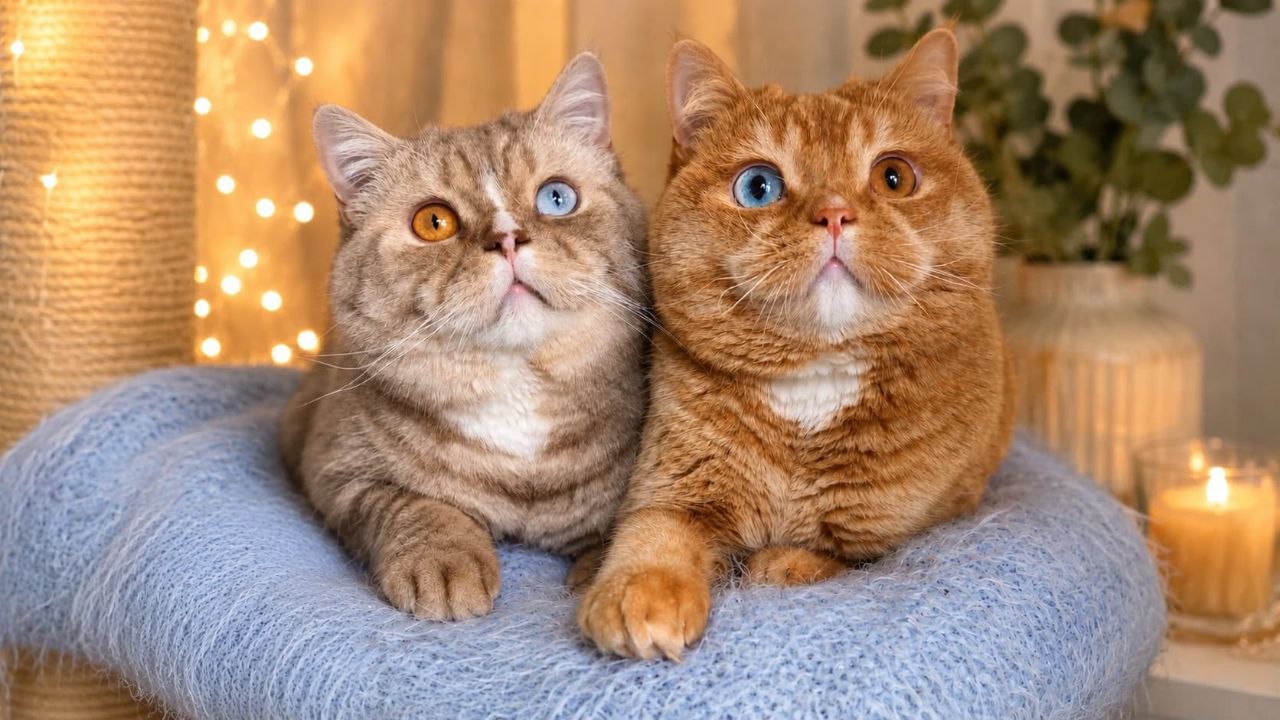
The search for a british shorthair mix has surged across online marketplaces and classified boards in recent years. Prospective pet parents, drawn to the round cheeks, cobby physique, and calm temperament of the iconic British Shorthair, frequently stumble upon advertisements promoting a british short hair mix at a fraction of the cost of a pedigree kitten. However, beneath the appealing marketing of a british shorthair mix cat, profound genetic, morphological, behavioral, and veterinary realities require rigorous examination.
In formal felinology—governed by major registries such as the Fédération Internationale Féline (FIFe Standard #729) and the World Cat Federation (WCF)—there is no recognized breed classification designated as a "mix." A kitten produced from crossing a purebred British Shorthair with another breed or an unpedigreed domestic cat is genetically classified as a random-bred domestic feline. While every feline deserves compassion and loving care, marketing an unsanctioned crossbreed under the prestige of the British Shorthair brand obscures substantial welfare risks, lack of health testing, and unpredictable development.
At Grand Liberty—licensed under Section 11 of the German Animal Welfare Act (§11 TierSchG) and operating under FIFe cattery registration #729—we are committed to transparency and feline welfare. This educational guide breaks down the biological science of pedigree inheritance, the veterinary risks associated with backyard crossbreeding, and why authentic genealogical documentation matters when evaluating a british shorthair kitten mix.
The Reality of a British Shorthair Mix: Dispelling Common Commercial Myths
To understand the reality of a british shorthair mix kitten, one must examine why commercial sellers produce crossbred litters. Authentic preservationist breeding is an expensive, scientifically rigorous endeavor involving pedigree registration, extensive veterinary diagnostics, genetic compatibility mapping, and show bench evaluations.
In contrast, most individuals offering a british short hair mix operate outside organized felinology:
- The "Half-British" Fallacy: Sellers often claim that breeding an unpapered cat with a supposed British Shorthair produces a kitten with "50% British blood." In biological genetics, inheritance is not a simple linear blending of halves. Complex multigenic physical and behavioral traits segregate independently during meiosis, resulting in kittens that often resemble ordinary domestic cats while carrying unknown health liabilities.
- The Myth of "Hybrid Vigor" in Random Crosses: While genetic diversity is beneficial in large, managed populations, mating two untested, phenotypically disparate cats does not magically eliminate inherited diseases. If an unscreened parent carries feline hypertrophic cardiomyopathy (HCM) or polycystic kidney disease (PKD), their mixed offspring face identical risks of inherited organ failure.
- Cost Discrepancy Realities: Advertisements for a british shorthair mix typically cut costs by skipping mandatory veterinary vaccinations, deworming cycles, microchipping, and certified lab tests, passing massive latent medical expenses onto the unsuspecting buyer.
Genetic and Morphological Unpredictability in a British Short Hair Mix
The distinctive silhouette of the British Shorthair—the massive round skull, prominent whisker pads, short broad nose, low-slung cobby body, and crisp double coat—is the product of more than 150 years of meticulous selective breeding. These traits are polygenic and predominantly recessive.
When an unverified cross occurs in a british shorthair mix cat, the delicate balance of these polygenic complexes breaks down:
1. Cranial and Skeletal Dysplasia: True British Shorthairs possess a broad, heavy skeleton. Crossing a heavy-boned cat with a fine-boned domestic or oriental breed often creates skeletal disharmony, such as an oversized head on a fragile spinal column or uneven limb alignment, predisposing the animal to early-onset osteoarthritis. 2. Loss of Coat Architecture: The trademark "crisp" British coat consists of a dense undercoat and guard hairs of uniform length standing open from the body. In a british shorthair kitten mix, the coat frequently reverts to a flat, thin single coat or develops an unmanageable woolly texture prone to severe matting. 3. Unpredictable Temperament: The phlegmatic, serene, non-destructive personality of the purebred British Shorthair is actively selected through generations. Crossing with high-strung, anxious, or feral-derived bloodlines often yields fearful, vocal, or hyperactive behavior entirely contrary to the serene British archetype.
Purebred Pedigree vs. Backyard Mix Comparison Matrix
The table below delineates the profound structural, health, and legal differences between an authentic registered British Shorthair and an unregulated british shorthair mix:
| Evaluation Parameter | Grand Liberty Purebred British Shorthair | Unregulated British Shorthair Mix |
|---|---|---|
| Official Registry Certification | 4–5 Generation Pedigree (FIFe #729 / WCF) | None (Legally classified as domestic pet) |
| Parental PKD1 DNA Testing | 100% Certified Negative via Laboklin GmbH | Untested; unknown carrier status |
| Cardiac HCM Echocardiography | Annual Doppler screening by Collegium Cardiologicum | None; severe risk of early heart failure |
| State Animal Welfare Licensure | Full §11 TierSchG veterinary inspection & approval | Unlicensed backyard operation |
| Coat and Phenotypic Predictability | Guaranteed crisp double coat & cobby morphology | Unpredictable; high rate of flat coats & disharmony |
| Behavioral Socialization | 14–16 weeks nursery care, habituated to human handling | Released prematurely (6–8 weeks) with zero protocols |
| Infectious Disease Guarantee | PCR screened: FeLV, FIV, FCoV negative | High exposure to feline panleukopenia & giardia |
| Breeder Contract & Lifetime Support | Formal legal contract with written health warranties | Cash-in-hand transactions with no legal recourse |
Hidden Veterinary and Hereditary Health Vulnerabilities in a British Shorthair Mix Cat
The greatest hazard confronting guardians of a british shorthair mix cat lies in latent hereditary disease. Ethical breeders eliminate lethal mutations from their gene pools through relentless testing. Backyard operations producing crossbred kittens almost never invest in diagnostic screening.
- Polycystic Kidney Disease (PKD1): PKD1 is an autosomal dominant genetic mutation prevalent in British and Persian lines. A cat carrying just one copy of the defective gene will inevitably develop fluid-filled cysts in its renal parenchyma, culminating in agonizing kidney failure between 3 and 7 years of age. Without Laboklin certified DNA parentage testing, acquiring a british shorthair mix is a gamble with fatal renal pathology.
- Hypertrophic Cardiomyopathy (HCM): HCM is the most common cardiac disease in felines, characterized by progressive concentric hypertrophy of the left ventricle. In asymptomatic cats, sudden death or aortic thromboembolism (saddle thrombus) can strike without warning. Only certified annual ultrasound scans by specialized veterinary cardiologists can clear breeding stock.
- Infectious Disease Exposure: Kittens from backyard mixed litters are frequently born into crowded, unhygienic environments where feline coronavirus (FCoV), giardia, and herpesvirus circulate unchecked, resulting in chronic gastrointestinal disease or fatal FIP (Feline Infectious Peritonitis).
The False Economy of a British Shorthair Kitten Mix: Lifetime Veterinary Cost Analysis
While the acquisition price of a british shorthair mix kitten may appear tempting compared to a purebred pedigree companion, the lifetime financial equation tells a starkly different story:
- Initial Acquisition: A backyard mix might cost €200 to €500, whereas an authentic registered kitten from Grand Liberty ranges from €1,500 to €2,500.
- Immediate Catch-Up Healthcare: Because mix kittens rarely leave with complete immunizations, buyers immediately spend €250 to €450 on primary vaccinations, ISO microchipping, fecal parasite panels, and basic spaying/neutering.
- Chronic and Hereditary Treatment: Treating sudden HCM heart failure, emergency stabilization of feline arterial thromboembolism, or managing end-stage chronic kidney disease typically costs €1,200 to €3,500 in intensive veterinary interventions, completely wiping out initial purchase savings.
When prospective owners evaluate lifetime well-being, investing in a healthy, genetically verified pedigree kitten is undeniably the safer, more compassionate, and financially sound choice.
Ethical Cattery Protocols: How True Breeders Protect Feline Welfare Over Backyard Crosses
Ethical feline husbandry is anchored in accountability, legal compliance, and an uncompromising dedication to feline welfare. When assessing whether a breeder operates ethically or is merely marketing a disguised british shorthair mix kitten, use this checklist:
Ethical Breeder Verification Checklist
- [ ] Request the Official Pedigree: Insist on viewing the registered pedigree issued by FIFe, WCF, TICA, or CFA. A veterinary vaccination booklet is not a pedigree.
- [ ] Verify Laboklin PKD1 Certificates: The breeder must show original, stamped DNA laboratory reports from Laboklin or equivalent diagnostic centers for both biological parents.
- [ ] Review Doppler HCM Records: Confirm that both parents have undergone cardiac ultrasound scans by an accredited veterinary cardiologist within the last 12 to 18 months.
- [ ] Check State Licensure (§11 TierSchG): In Germany and across the EU, verified professional catteries must display their official animal welfare license issued by the municipal veterinary office.
- [ ] Observe Nursery Living Conditions: Visit the cattery in person or via live video call. Cats must live freely in clean, spacious home environments as beloved family members, never confined in outdoor cages or cellar enclosures.
- [ ] 14-to-16-Week Release Standard: Responsible breeders never surrender kittens before 14 weeks of age. Early weaning harms immunological health and causes lifelong behavioral insecurity.
Securing a Lifetime of Composure and Health with Grand Liberty
The British Shorthair is an aristocratic treasure: quiet, affectionate, structurally magnificent, and deeply loyal. Attempting to shortcut this legacy with an undocumented british shorthair mix compromises feline welfare and invites heartbreak from preventable hereditary illness.
Grand Liberty invites all feline lovers to discover the profound difference of verified pedigree stewardship. Explore our exceptional breeding cats, view our available kittens, and review our transparent billing and European courier delivery policies. To speak directly with our team regarding responsible kitten selection, schedule a session through our master breeder consultation service.