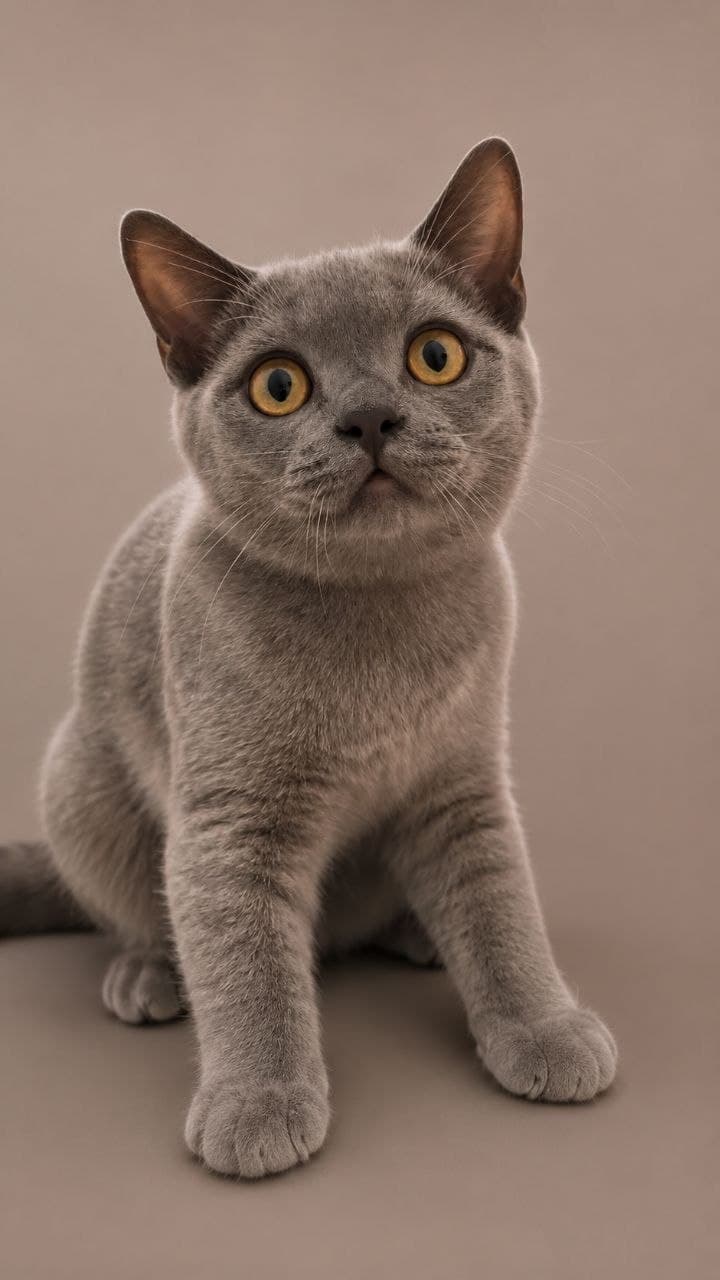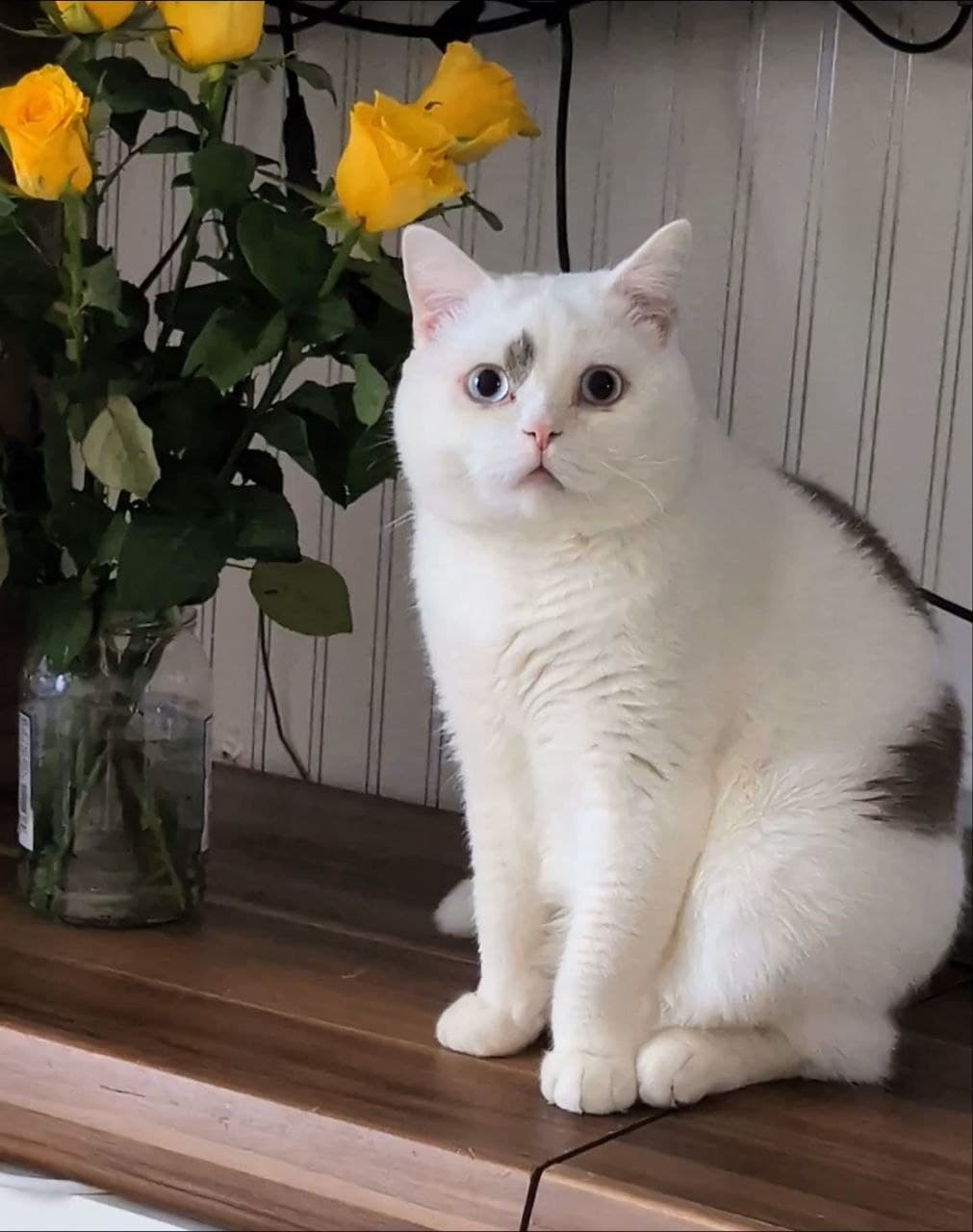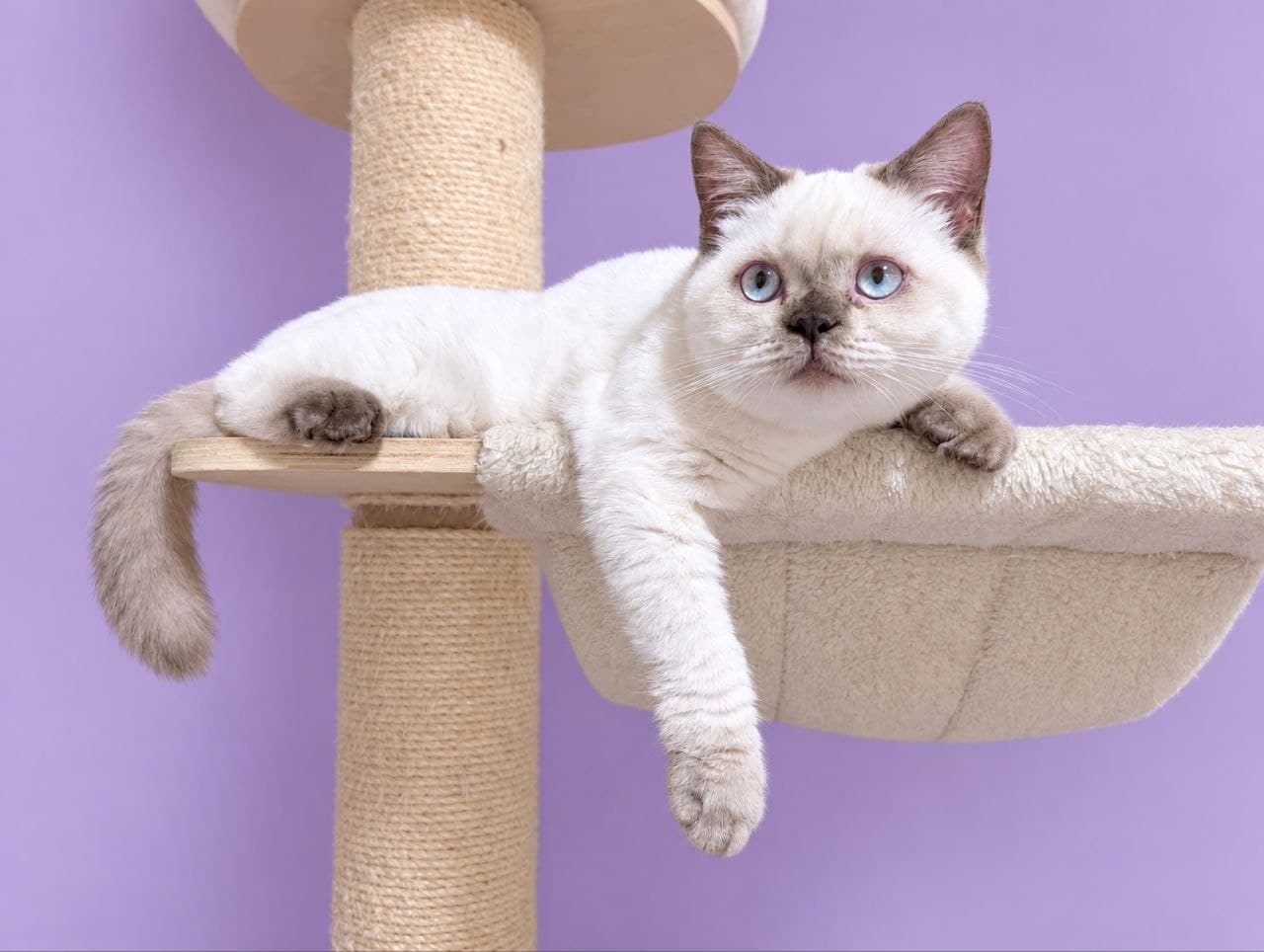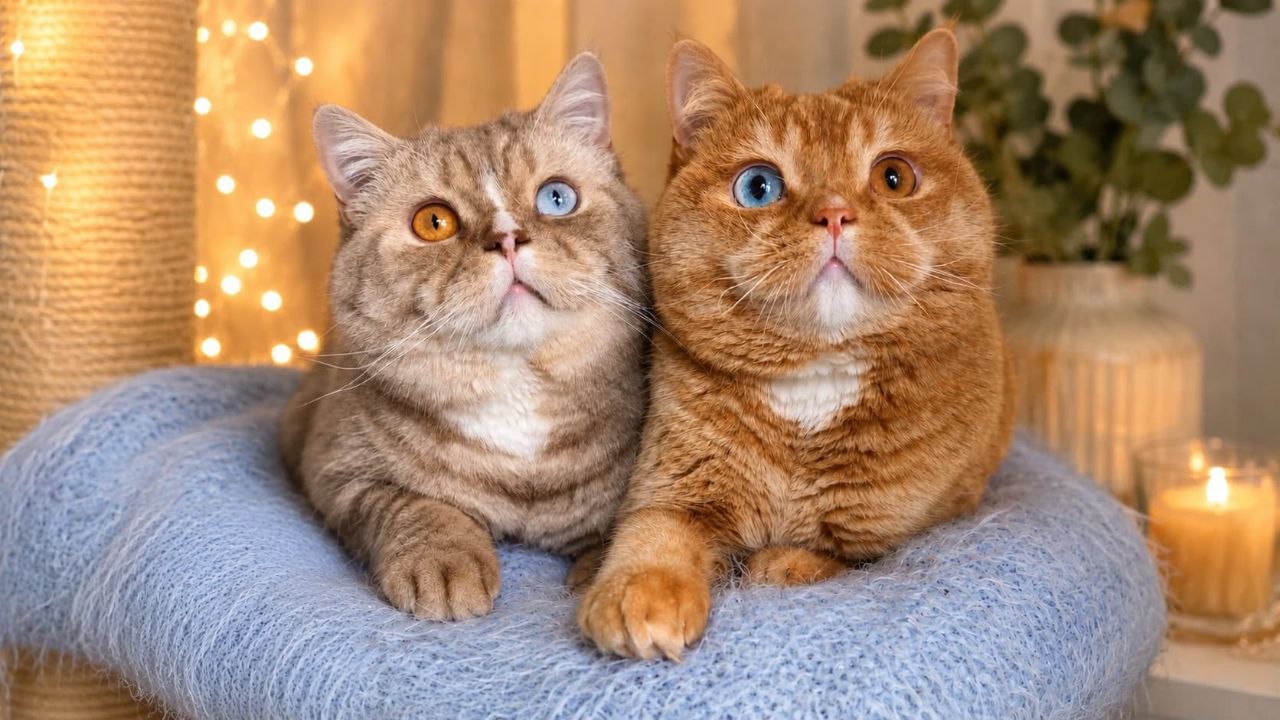
In pedigree feline husbandry, kittens are classified into three official quality tiers: Pet, Breed, and Show. These classes assess phenotypic compliance with the official breed standard (such as the FIFe standard for British Shorthairs), bone structure, and cosmetic symmetry. Importantly, quality classifications do not reflect vitality, temperament, or veterinary care. At ethical catteries like Grand Liberty (FIFe cattery #729, certified under §11 TierSchG), every kitten across all three tiers shares identical genetic health parity, comprehensive medical screenings, and registered ancestry.
Pet Quality Kitten Neuter Agreement and Morphological Deviations
A pet-quality kitten represents an exceptional companion animal that exhibits minor cosmetic deviations from the strict breed standard. In British Shorthairs, these deviations never affect physiological well-being or longevity; instead, they consist of harmless aesthetic variances such as slightly large or widely spaced ears, subtle coat color shading, minor asymmetrical white spots in bi-color patterns, or an eye color that lacks full, vivid copper saturation.
When purchasing a pet-class kitten, prospective owners execute a legally binding pet quality kitten neuter agreement. This contractual clause mandates that the buyer sterilize the kitten before or shortly after sexual maturity, generally between six and ten months of age, depending on veterinary guidance. The official FIFe pedigree certificate for a pet-quality kitten is typically stamped with non-breeding endorsements to preserve the integrity of the pedigree registry and prevent unauthorized back-yard breeding practices.
- Phenotype: Minor cosmetic standard deviations (e.g., eye shade depth, coat patterning nuance).
- Breeding status: Strictly non-breeding; legal neuter agreement enforced.
- Registry: Issued with non-active or certified pedigree after proof of gonadectomy.
- Role: Devoted companion in a loving domestic setting.
Breed Quality British Shorthair for Breeding and Genetic Propagation
A breed-quality British Shorthair meets all foundational morphological criteria mandated by FIFe, possessing the phenotypic strength and genetic diversity necessary to advance a structured breeding program. These cats feature robust cobby bodies, dense double coats with appropriate texture, correct bite alignment, broad rounded skulls, and sound structural leg conformation. While they may miss the rare micro-proportions required to win 'Best in Show' titles consistently, their genotype and phenotype make them prime candidates for breeding.
Selecting a breed quality British Shorthair for breeding requires stringent ethical vetting between registered catteries. Breeders evaluate maternal lineage, blood group compatibility (testing for Type A, B, or AB to prevent neonatal isoerythrolysis), and carrier status for hereditary conditions such as Polycystic Kidney Disease (PKD) and progressive Hypertrophic Cardiomyopathy (HCM). Grand Liberty releases breeding-class stock exclusively to registered, ethical catteries that adhere to governing body animal welfare codes.
- Phenotype: Solid conformity to standard; structurally balanced without disqualifying faults.
- Breeding status: Active breeding rights granted to approved, certified catteries.
- Veterinary profile: Comprehensive DNA profiling, blood grouping, and cardiac ultrasound benchmarks.
- Role: Genetic contributor to preservation breeding programs.
Show Quality British Shorthair Exhibition Standards and Conformation
Show quality represents the pinnacle of morphological conformity. A show-quality British Shorthair meets exhibition standards with remarkable exactitude: massive, rounded skull; tiny, widely spaced, rounded-tip ears; huge, round, brilliant copper or deep blue eyes; an exceptionally compact, low-slung cobby frame; a thick tail with a rounded tip; and a dense, crisp, plush double coat that stands away from the body.
Beyond structural perfection, exhibition cats must possess an unflappable, stable nervous system. The stress of show halls, handling by international FIFe judges, mechanical noise, and unfamiliar environments requires extraordinary socialization from birth. An animal with supreme physical conformation will be disqualified or penalized if it displays extreme fear or defensive aggression on the judge's table, making temperamental resilience a cornerstone of show-class evaluation.
- Conformation: Flawless alignment with FIFe point allocations (Head 30 pts, Body 20 pts, Coat 25 pts, Eye colour 15 pts, Condition 10 pts).
- Demeanor: Confident, tractable, and fully habituated to close competitive handling.
- Potential: Capable of earning Premier, Champion, Grand International, and Supreme titles.
- Classification Caveat: Kittens are designated 'Show Potential' until adult secondary sexual characteristics fully mature.
Pricing Differences Between Cat Quality Classes and Lifelong Health Parity
The pricing differences between cat quality classes reflect intellectual property, structural rarity, administrative overhead, and the transfer of reproductive rights—never variations in health care or foundational nutrition. At Grand Liberty, every kitten receives identical premium clinical care: serial core vaccinations, prophylactic deworming, microchipping, high-protein biophysiologically appropriate diets, and parents screened clear for HCM and PKD via certified veterinary cardiologists.
Pet-quality kittens command the baseline adoption fee, covering their comprehensive veterinary rearing and pedigree administration. Breed-quality pricing is higher because it conveys commercial and reproductive utilization rights, alongside detailed pedigree lineage sharing. Show-quality specimens—whether sold with breeding rights or as show-neuters—command premium rates due to the statistical rarity of near-flawless conformation emerging from elite bloodlines.
- Health Parity: Identical screening, veterinary diagnostics, and rearing across all three classes.
- Pet Tier: Affordable investment for companionship with mandatory desexing.
- Breed Tier: Value derived from reproductive rights and genetic lineage contribution.
- Show Tier: Premium pricing based on scarce morphological perfection and exhibition potential.
Pedigree Certificate and Purchase Contract Protections
A verifiable pedigree certificate and purchase contract form the legal and ethical foundation of any purebred kitten acquisition. The purchase contract explicitly details the kitten's assigned quality class, health warranties, microchip identification number, and the respective legal obligations of buyer and seller. Under §11 of the German Animal Welfare Act (TierSchG), ethical breeders are held to strict standards of transparency regarding genetic soundness and husbandry conditions.
The FIFe pedigree document confirms the lineage of the animal over a minimum of four to five generations, verifying the absence of unapproved outcrosses and high inbreeding coefficients. For pet buyers, this certificate acts as proof of purebred heritage; for breeders, it provides the roadmap for calculating genetic compatibility and preventing hereditary defects across subsequent generations.
- Contractual Clarity: Clear definition of quality tier, sterilization timeline, and health guarantees.
- Lineage Integrity: Official FIFe 5-generation pedigree documenting bloodlines and registration numbers.
- Legal Security: Compliance with commercial sales warranties and §11 TierSchG welfare regulations.
- Transfer Conditions: Official transfer of ownership recorded in central governing databases.
Quality Class Comparative Evaluation Matrix
- Pet Quality: Conformation contains minor cosmetic variances; Breeding rights withheld (mandatory neuter); Eligible for FIFe Neuter Show classes; Full 100% health screening parity.
- Breed Quality: Conformation strongly aligns with breed standard; Breeding rights granted to certified catteries; Eligible for championship shows; Full 100% health screening parity.
- Show Quality: Conformation approaches theoretical standard perfection; Breeding rights optional (companion show or active cattery); Targeted for top-tier FIFe competition; Full 100% health screening parity.
Summary & Next Steps
Understanding quality classes ensures prospective owners make informed decisions tailored to their lifestyle, whether seeking a cherished family companion or an exhibition champion. Regardless of the class selected, Grand Liberty guarantees identical medical care, structural vigor, and lifetime support. Contact Grand Liberty to view current litter evaluations or discuss your specific interest in pet, show, or breeding prospects.
Sources & References
- Fédération Internationale Féline (FIFe) Standards for Category III (British Shorthair & Longhair)
- German Animal Welfare Act (Tierschutzgesetz §11 TierSchG Guidelines)
- World Cat Congress (WCC) Uniform Code of Ethics for Cat Breeders
- Veterinary Cardiology Society Guidelines for Feline Hypertrophic Cardiomyopathy (HCM) Screening