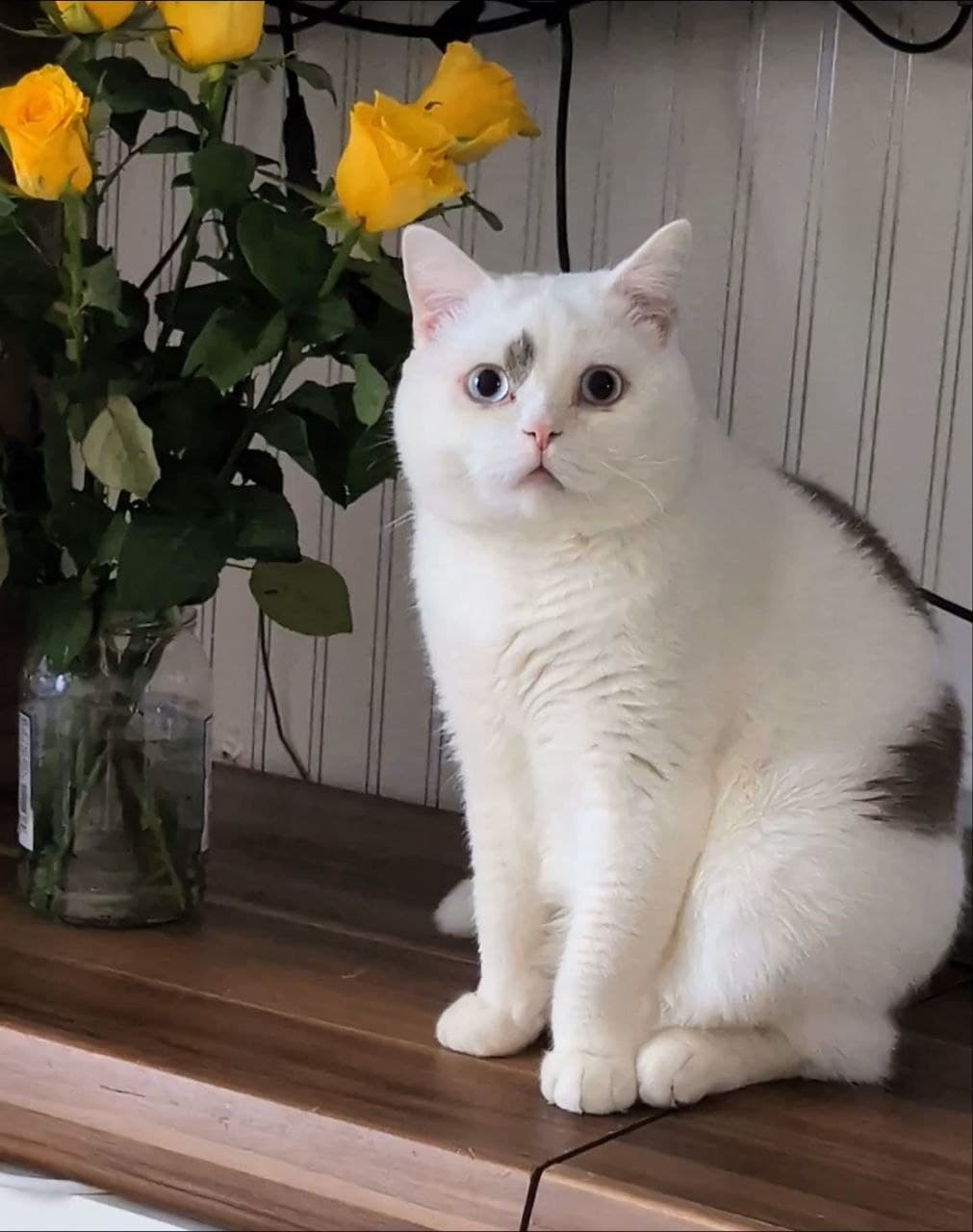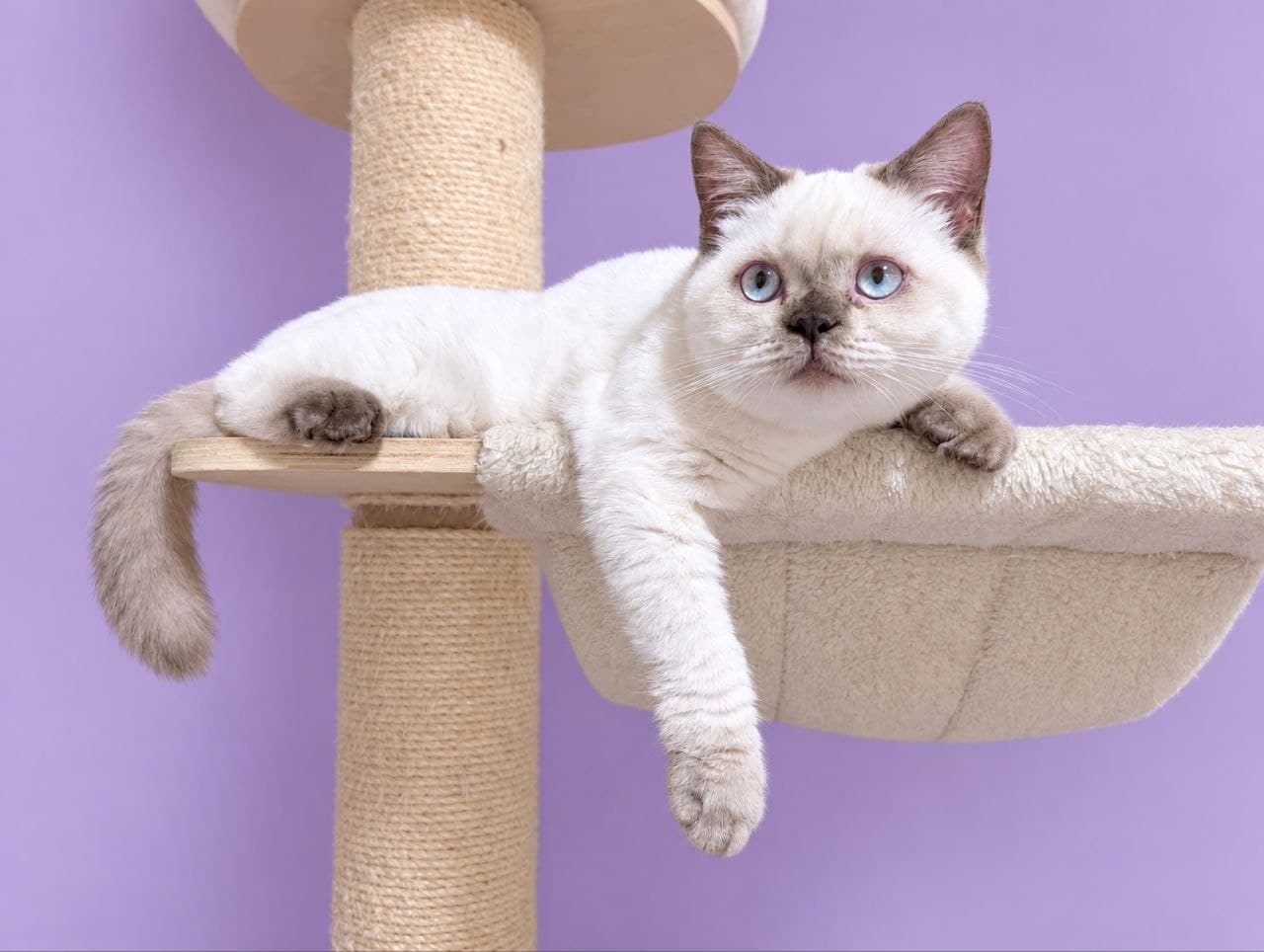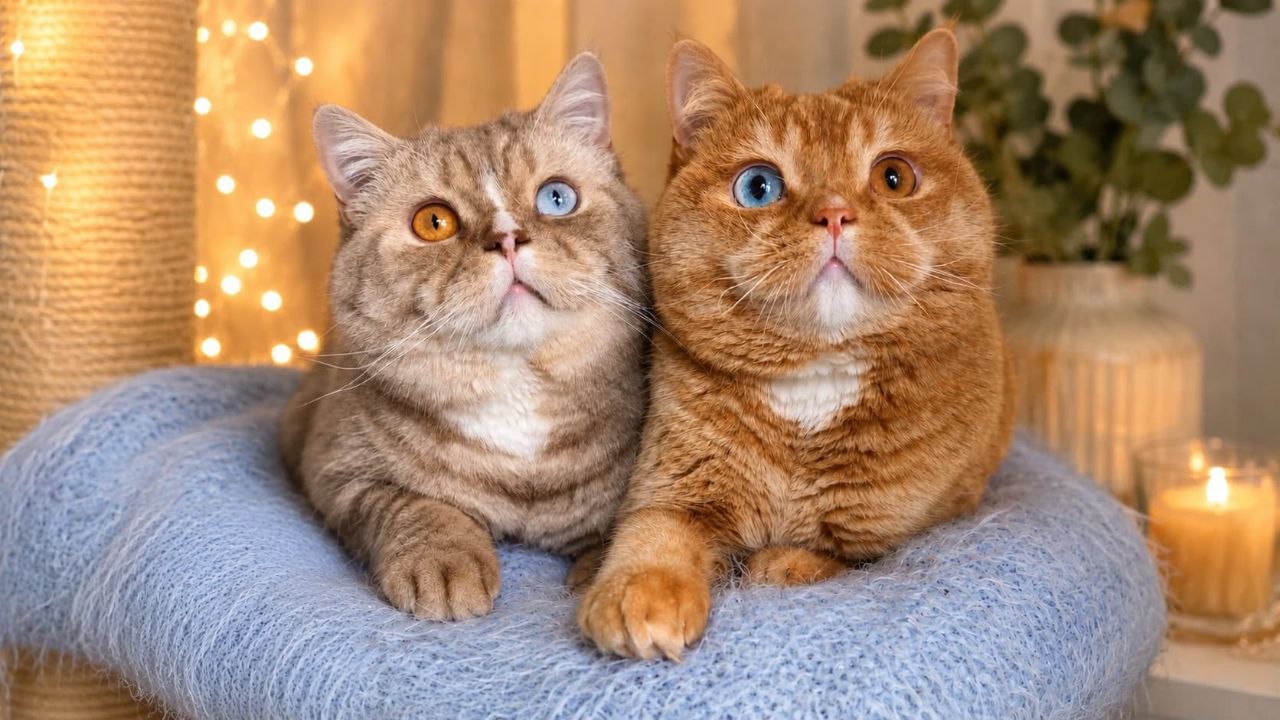
The British Shorthair is an exceptional family pet for households with children due to its stable temperament, patience, and non-reactive nature. While remarkably tolerant, this breed prefers having all four paws on the floor rather than being carried around. Ensuring a harmonious relationship requires educating children on subtle feline body language, establishing clear resting boundaries, and using interactive toys like feather wands to prevent accidental scratches or overstimulation.
Is British Shorthair Good Family Cat for Kids?
When evaluating whether a British Shorthair is a good family cat for kids, pedigree temperament profiles provide overwhelming reassurance. Developed historically as an adaptable, even-tempered companion, the modern British Shorthair exhibits an unflappable emotional baseline. Unlike hyper-reactive or skittish breeds, a well-bred British Shorthair rarely panics at sudden household noises, dropping toys, or running footsteps. Instead, they typically step aside calmly to a safe vantage point when domestic activity peaks.
However, compatibility depends on mutual respect. British Shorthairs are affectionate companions that enjoy being in the same room, lounging nearby on the sofa or carpet, but they are not living plush dolls. Most adults of this breed actively dislike being picked up, squeezed tightly, or carted under a child's arm. Families that thrive with British Shorthairs understand that affection is expressed through quiet companionship, head-butts, and shared play sessions rather than prolonged lap restraint.
From an animal welfare standpoint, matching a kitten's social developmental window with early household rules guarantees lifelong stability. Kittens sourced from responsible breeders following strict welfare frameworks, such as Section 11 of the German Animal Welfare Act (TierSchG) and FIFe breeding codes, undergo extensive early socialization around children, kitchen sounds, and handling, ensuring a resilient foundation for bustling family homes.
- Even-keeled temperament that tolerates the bustling sounds of an active home.
- Prefers remaining grounded with four paws on the floor over constant carrying.
- Demonstrates non-aggressive avoidance rather than defensive scratching when overwhelmed.
- Thrives alongside respectful older children and properly supervised toddlers.
Teaching Toddlers How to Interact with Cats Gently
Toddlers possess immature motor control and often communicate affection through squeezing, grabbing, or sudden lunges. Teaching toddlers how to interact with cats gently begins with replacing grasping hands with the 'two-finger gentle touch' or an open-palm stroke. Parents should guide the child's hand down the cat's cheek and behind the ears, completely avoiding the tail, sensitive underbelly, paws, and whiskers.
Modeling appropriate physical contact is essential. Sit alongside your toddler and demonstrate how to stroke the cat in the direction of the fur, never backward. Emphasize that the child must always wait for the British Shorthair to approach them voluntarily. If the cat walks away, the child must not pursue it. Chasing a retreating cat creates anxiety and disrupts the cat's fundamental trust in its home environment.
Physical safe zones are a mandatory welfare requirement. Install elevated cat trees, wall steps, or baby gates with feline pass-throughs where the British Shorthair can retreat out of a toddler's reach. Instruct children that whenever the cat is resting on an elevated perch or inside an enclosed cave, it is in 'invisible mode' and must never be touched.
- The Open-Palm Rule: Teach the child to stroke with a flat hand or two fingers, avoiding grasping fist motions.
- Zero-Pursuit Policy: If the cat stands up and leaves, the interaction is over; following the cat is prohibited.
- Forbidden Zones: Strictly guard the belly, paws, tail, and face from toddler hands.
- Elevated Sanctuaries: Protect cat trees and perches as adult-only and cat-only territories.
Safe Toys for Children to Play With Kittens
The number one cause of play-related bites and scratches in young children is using bare hands or feet as play targets. When children wiggle their fingers on a rug or wrestle with a kitten, the young feline's predatory drive translates fingers into prey. Utilizing safe toys for children to play with kittens is the cornerstone of proactive bite prevention.
Feather wands and fishing rod teasers represent the absolute gold standard for child-cat engagement. A wand provides a physical buffer of 60 to 100 centimeters between the child's hands and the cat's claws. This distance teaches the kitten that human flesh is not a target for predatory grasping, while allowing the child to burn off kitten energy in a controlled, exhilarating manner.
Children should be instructed to sweep the feather wand along the floor in erratic patterns that mimic prey, pausing to let the kitten capture the toy. When the play session ends, store wand toys securely out of reach in a closet, as strings and small plastic attachments present lethal linear foreign-body hazards if chewed and swallowed without adult supervision.
- Feather wands: Maintain a safe, 1-meter physical distance between claws and child fingers.
- Kick-bags and plush kickers: Redirect biting and back-paw bunny kicking away from human limbs.
- Rolling ping-pong balls or felt mice: Encourage chase instincts across open floors without close-contact wrestling.
- Strict rule: Hands are for stroking and feeding only, never for wrestling or roughhousing.
Respecting Sleeping Cats and Body Language Boundaries
A peaceful household relies on teaching young family members how to read subtle feline stress signals before overstimulation escalates into defensive swatting. British Shorthairs are extraordinarily patient, but they will communicate discomfort long before they resort to a hiss or swat. Educating children on respecting sleeping cats and body language boundaries safeguards both child safety and feline psychological health.
Children must learn the universal rule: 'Let sleeping cats sleep.' Startling a cat out of deep or REM sleep can trigger an autonomic acoustic startle reflex, resulting in an instinctive scratch from an otherwise gentle pet. Teach children that sleep is when kittens grow and adult cats recharge their health.
Train children to spot escalating body language cues indicating that the British Shorthair desires space. When a cat is content, its tail is calm or upright with a gentle curve, its ears face forward, and its body remains loose. Conversely, warning cues demand an immediate halt to petting: a twitching tail tip, rippling skin on the back, flattened 'airplane' ears, dilated pupils, and low growling or sudden head turns toward the hand.
- Tail twitching or thumping: Signals immediate overstimulation; children must stop touching instantly.
- Flattened or rotating ears: Warns that the cat feels cornered, irritated, or threatened.
- Skin rippling along the spine: Indicates sensory overload from repetitive stroking.
- Sleeping etiquette: Zero physical contact when the cat's eyes are shut or while resting in a dedicated bed.
Feline Hygiene and Hand Washing Routines for Kids
Integrating a British Shorthair into a family home requires consistent domestic hygiene habits to safeguard children from zoonotic organisms like Bartonella henselae (the causative agent of cat-scratch disease) and intestinal parasites. Establishing feline hygiene and hand washing routines for kids early builds lifetime health habits while maintaining a clean living environment.
Children should be taught to wash their hands thoroughly with warm water and soap after every active petting session, after handling toys, and immediately before eating meals or snacks. Parents should turn this into a fun, non-punitive routine, singing a 20-second hand-washing song to ensure proper friction and lathering.
Strict rules must govern the litter box and feeding stations. Young children should never have unsupervised access to cat litter trays due to the risk of exposure to Toxoplasma gondii oocysts or clumping clay ingestion. Feeding dishes must be placed in quiet, low-traffic areas, and toddlers should be instructed that cats must never be approached while eating, protecting both food hygiene and the cat's resource security.
- Mandatory 20-second soap and water hand-washing following interactive grooming or play.
- Absolute toddler exclusion from litter box areas using secure baby gates or interior pet doors.
- Uninterrupted feeding zones to prevent child contamination of bowls and cat resource guarding.
- Immediate adult-supervised washing and antiseptic cleaning for any accidental skin scratches.
Family Rules: The British Shorthair Harmonious Home Checklist
- Rule 1: Never disturb a sleeping, eating, or litter box-using cat.
- Rule 2: Never pick up the British Shorthair; sit on the floor and invite them onto your lap instead.
- Rule 3: Use feather wands and kickers for play; hands are never toys.
- Rule 4: Stroke only along the head and back; avoid the belly, paws, and tail.
- Rule 5: When the cat's tail twitches or ears turn back, stop petting and stand up.
- Rule 6: Wash hands with warm soap and water after every play session.
Summary & Next Steps
The British Shorthair is an ideal family companion when parents proactively cultivate mutual respect between child and cat. By replacing hand wrestling with feather wands, guarding resting zones, and instilling solid hygiene practices, your home will enjoy decades of affectionate, stress-free companionship. As a next step, hold a brief family meeting to review the Harmonious Home Checklist with your children before introducing your new British Shorthair to the household.
Sources & References
- Fédération Internationale Féline (FIFe): British Shorthair Breed Standard & Breeding Rules
- International Society of Feline Medicine (ISFM): Guidelines on Human-Cat Interactions and Feline Environmental Needs
- German Animal Welfare Act (TierSchG) §11: Breeding, Husbandry, and Socialization Standards for Companion Animals
- American Association of Feline Practitioners (AAFP): Feline Behavior and Safety Guidelines for Multi-Generational Households