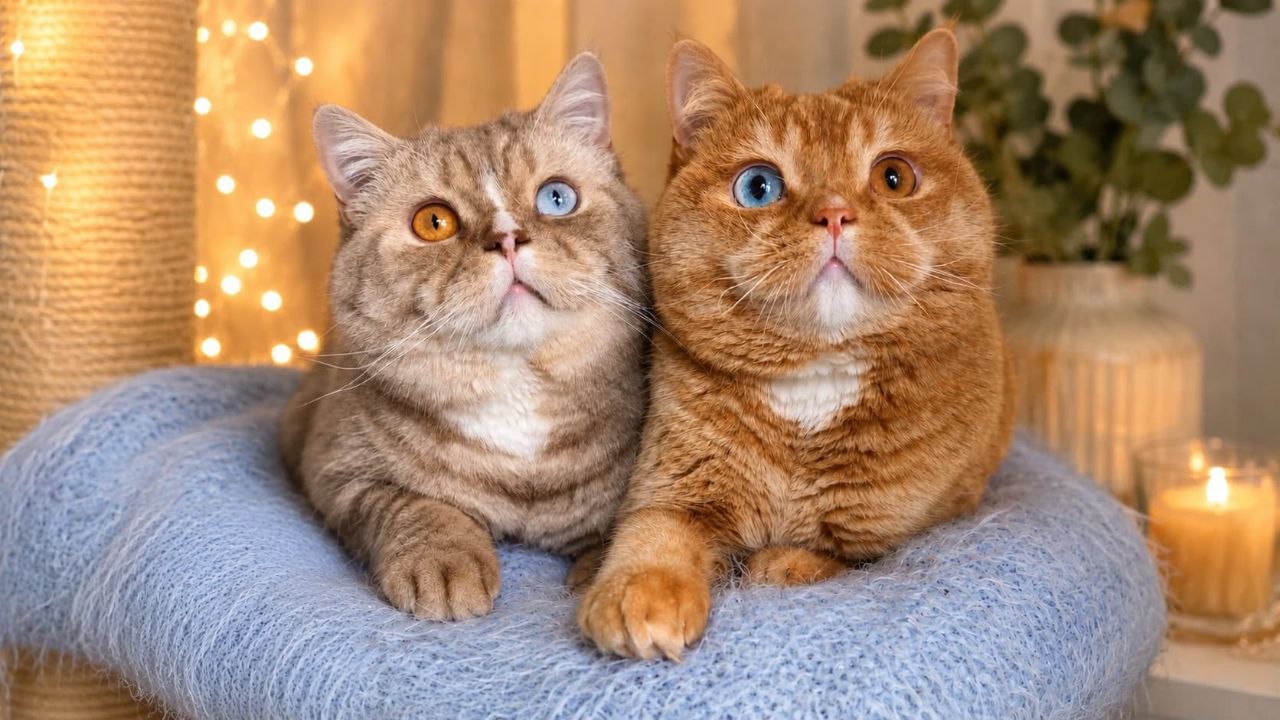
In recent years, viral social media trends and predatory designer breeding operations have led to a surge in classified advertisements offering a munchkin british shorthair for sale or promoting a british shorthair munchkin cat for sale. Marketed under commercial novelty names such as "Munchkin BSH," "Minuet," or "Napoleon Shorthair," these cats feature the rounded face, chunky cheeks, and dense plush coat of the British Shorthair grafted onto abnormally short, stunted legs. Unsuspecting pet seekers, drawn to what appears to be a permanently miniature, "cute" kitten, frequently search for a british shorthair munchkin for sale without realizing the severe orthopaedic pathology and chronic disability engineered into these animals.
In legitimate international felinology, there is no recognized pedigree breed combining the Munchkin with the British Shorthair. Official governing federations—including the Fédération Internationale Féline (FIFe Standard #729), the Governing Council of the Cat Fancy (GCCF), and the World Cat Federation (WCF)—categorically refuse to recognize or register short-legged designer hybrids. Mating a heavily built, deep-chested British Shorthair with a dwarf cat produces an anatomical mismatch that puts catastrophic mechanical stress on the feline spine, ribcage, and joints. At Grand Liberty, operating under Section 11 of the German Animal Welfare Act (§11 TierSchG) with official FIFe registration #729, we uphold an absolute, uncompromising rejection of deformity breeding (Qualzucht). In this veterinary welfare manual, we examine the molecular pathology of chondrodysplasia, reveal the structural risks of the british shorthair munchkin kittens for sale, evaluate European legal bans, and champion healthy, biomechanically sound pedigree breeding.
The Genetic Reality: Pseudo-Achondroplasia and the Dominant Dwarfism Mutation
To evaluate what takes place when breeders produce a munchkin british shorthair for sale, one must examine the molecular genetics governing limb length in felines:
The Lethal Chondrodysplasia Gene (Mk)
The short-legged phenotype is governed by an autosomal dominant gene mutation (Mk) located on feline chromosome B1: 1. Disruption of the Growth Plates (Epiphyses): The Mk mutation impairs endochondral ossification—the biological process by which embryonic cartilage templates convert into long bones. As a result, the long bones of the extremities (the humerus, radius, and ulna in the forelimbs; the femur, tibia, and fibula in the hindlimbs) fail to grow to their normal biological length. Instead, they remain severely stunted, thickened, and curved. 2. *Homozygous Lethality (Mk/Mk): The dwarfism mutation is an embryonic lethal gene. When two dwarf cats are mated together, embryos inheriting two copies of the Mk allele (Mk/Mk) die in utero and are reabsorbed by the queen. Only heterozygous cats (Mk/mk*) survive to birth, meaning every dwarf kitten carries a lethal defect in its genetic blueprint. 3. Severe Skeletal Disproportion: While the long bones of the limbs are stunted, the head, spine, and internal organs develop toward standard proportions, creating a severe, abnormal musculoskeletal disproportion.
Why Crossbreeding with British Shorthairs Creates Biomechanical Disaster
The British Shorthair is an exceptionally robust, heavy-boned feline breed developed over centuries to feature a broad pectoral girdle, a deep barrel chest, and a substantial adult body mass ranging from 4.5 to 8 kilograms.
- Grafting miniature, stunted legs onto an animal genetically destined to carry massive cobby weight creates severe mechanical strain on the limbs and joints.
- A standard British Shorthair absorbs kinetic energy through long, straight, muscular levers that act as natural shock absorbers during walking, running, and landing.
- In a british shorthair munchkin cat for sale, these shock absorbers are structurally crippled, forcing the massive upper torso and spine to absorb the blunt force of every step and jump.
Veterinary Orthopedic Complications: The Lifelong Suffering of Dwarf Hybrids
Feline orthopedic surgeons and independent veterinary researchers have identified severe, chronic physical infirmities that afflict felines bred with dwarfism mutations:
Severe Thoracic and Spinal Deformities: Lordosis and Pectus Excavatum
1. Severe Feline Lordosis: Lordosis is an abnormal downward curvature of the spine located immediately behind the shoulder blades. Because the forelimbs of dwarf cats are disproportionately shorter than their hindquarters, the vertebral column dips sharply toward the floor. In severe cases, the collapsed spine impinges on the thoracic cavity, crushing the lungs and trachea, causing chronic dyspnea, heart failure, and early mortality. 2. Pectus Excavatum (Funnel Chest): The abnormal sternal and costal cartilage development frequently causes the breastbone to cave inward into the thoracic cavity. This structural defect severely restricts cardiac output and pulmonary capacity, preventing normal athletic exertion and making anesthesia exceptionally hazardous.
Premature Osteoarthritis, Elbow Dysplasia, and Joint Subluxations
Because the radius and ulna grow at unequal rates due to abnormal growth plate closure, the forelimb joints suffer severe angular limb deformities:
- The paws rotate outward in an unnatural "fiddle front" or valgus stance.
- Joint surfaces experience abnormal shear stresses, destroying synovial cartilage and triggering crippling, early-onset osteoarthritis by 2 to 4 years of age.
- Intervertebral disc disease (IVDD) and disc herniation are dramatically elevated, frequently leading to excruciating spinal pain and partial hind-limb paralysis.
Restriction of Essential Feline Ethological Behaviors
Cats are obligate vertical predators whose mental health and ethological well-being depend upon their ability to climb, leap, jump to high vantage points, and groom their own bodies:
- Cats resulting from british shorthair munchkin kittens for sale cannot jump onto standard window sills, sofas, or cat trees without painful struggle or risk of joint injury upon landing.
- Due to their stunted limb reach, dwarf cats often cannot reach their perianal regions to clean themselves, leading to chronic fecal staining, skin infections, and emotional distress.
Biomechanical Comparison: Authentic British Shorthair vs. Dwarfism Hybrid
| Anatomical Parameter | Authentic British Shorthair (FIFe #729) | Munchkin British Shorthair Dwarf Cross | Orthopedic & Welfare Consequence |
|---|---|---|---|
| Forelimb / Hindlimb Boning | Long, straight, heavy-boned structural levers | Stunted, severely shortened, bowed long bones | Destruction of normal shock absorption mechanisms |
| Thoracic Architecture | Deep, broad, spacious barrel chest | Flattened chest; high incidence of pectus excavatum | Chronic pulmonary compression and cardiac compromise |
| Spinal Alignment | Straight, level, flexible vertebral column | Excessive ventral dipping (pathological lordosis) | Tracheal compression, disc herniation, severe spinal pain |
| Natural Mobility & Leaping | Confident, agile, effortless vertical jumping | Inability to clear moderate heights; painful impact | Severe reduction in natural predatory and climbing behaviors |
| Joint Wear & Degeneration | Resilient joints lasting 15–20 years | Early-onset degenerative osteoarthritis & subluxation | Requires lifelong administration of analgesics and NSAIDs |
| Official Breed Status | Recognized internationally across all major bodies | Rejected by FIFe, GCCF, WCF | Classified as an unpedigreed designer cross |
| German Animal Welfare Law | Compliant with §11 TierSchG standards | Illegal torture breeding (§11b TierSchG) | Commercial breeding and propagation strictly prohibited |
Legal and Ethical Frameworks: German Animal Welfare Act §11b and European Qualzucht Prohibitions
In Germany, the breeding of companion animals with severe physical impairments is strictly regulated by law to protect animal welfare:
Section 11b of the German Animal Welfare Act (§11b TierSchG)
The German "Qualzuchtparagraf" (§11b TierSchG) makes it an explicit criminal and administrative offense to breed vertebrate animals when genetic defects cause pain, suffering, functional impairment, or behavioral restriction to the animal or its offspring. Official veterinary advisory guidelines issued by the German Federal Ministry of Food and Agriculture (BMEL) explicitly classify chondrodysplastic dwarfism in felines as a non-permissible defect breeding trait. Commercial catteries and breeders in Germany licensed under §11 TierSchG are legally prohibited from breeding or marketing dwarf felines.
Global Felinological Boycott
- Fédération Internationale Féline (FIFe): FIFe maintains a strict constitutional refusal to recognize breeds based on disabling mutations. FIFe Standard #729 ensures the British Shorthair remains a biologically functional, healthy, and harmonious breed.
- Governing Council of the Cat Fancy (GCCF): The GCCF strongly condemns the breeding of Munchkins and their crosses, stating that intentionally breeding cats with skeletal deformities for human amusement is entirely unacceptable.
- World Cat Federation (WCF): Rejects registration of chondrodysplastic dwarf crosses and prohibits their exhibition in standard championship rings.
Consumer Protection: How to Identify and Avoid Predatory Designer Listings
Commercial brokers and backyard operations selling a british shorthair munchkin for sale rely on deceptive marketing language to entice unsuspecting buyers:
1. The "Rare Teacup / Miniature BSH" Scam: Classified ads rarely use the medical term chondrodysplasia. Instead, they market kittens as "teacup British Shorthairs," "pocket bears," or "miniature British cats" to make a severe genetic defect sound exclusive and desirable. 2. False Health Claims: Unethical breeders claim their kittens are "completely healthy and vet-checked" simply because they received standard deworming and kitten shots. Routine clinical exams cannot reverse skeletal deformities or prevent the onset of progressive spinal lordosis and osteoarthritis. 3. Inflated "Designer" Price Tags: Because dwarf litters experience high embryonic mortality and require extensive marketing, backyard breeders charge exorbitant prices—often $2,000 to $5,000—for kittens destined for a lifetime of orthopedic distress.
Ethical Adoption Verification Checklist
Protect feline welfare and your household by following this strict verification checklist before adopting any kitten:
- [ ] Reject All Short-Legged Listings: Immediately bypass all advertisements offering a munchkin british shorthair for sale, british shorthair munchkin cat for sale, or "Minuet BSH."
- [ ] Verify Anatomical Proportions: Confirm that the kitten has long, straight, symmetrical limbs capable of natural running, jumping, and effortless scratching behind the ears.
- [ ] Demand Official FIFe / WCF Pedigrees: Require an authenticated multi-generation pedigree verifying purebred British Shorthair ancestry without unauthorized outcrosses.
- [ ] Inspect the Kitten's Gait: Ensure the kitten walks with a smooth, fluid, four-legged gait rather than a waddling, stiff, or hesitant motion.
- [ ] Confirm §11 TierSchG Licensing: Ensure your breeder is registered with state veterinary authorities and adheres strictly to European animal welfare statutes.
- [ ] Review Certified Laboklin Health Screening: Verify that both parents are certified PKD1 N/N clear by Laboklin and have verified annual Doppler echocardiograms for HCM.
- [ ] Evaluate Living Conditions: Confirm that kittens are raised in spacious, sanitary home rooms with high cat trees that allow natural vertical climbing and play.
True felinological beauty lies in harmony, vitality, and biomechanical health. By refusing to buy british shorthair munchkin kittens for sale, caring guardians send an unmistakable message that feline suffering must never be commodified as entertainment. Choosing an authentic, naturally proportioned British Shorthair preserves one of the world's most magnificent and dignified breeds in its purest, healthiest form.