British Shorthair Colours & Genetics: The Complete Connoisseur Guide
The British Shorthair (BSH) is renowned worldwide for its teddy-bear appearance, dense velvet coat, and noble calm temperament. While the traditional solid blue remains the breed historic hallmark, modern ethical breeding has unlocked an extraordinary spectrum of rare and exquisite colour variations.
At Grand Liberty Cattery, breeding under official FIFe and WCF standards since 2006, we have dedicated decades to the preservation and perfection of both classic and rare genetic lines. Here is your definitive guide to understanding British Shorthair colours, genetics, and selection criteria.
---
1. Classic Solid Varieties: Blue, Black and White
- British Blue: The cornerstone of the breed. Genetically a dilute expression of black (`dd`), high-calibre blue British Shorthairs feature an entirely uniform, slate-to-lavender hue paired with deep copper or amber eyes.
- Solid Black & Chocolate: Black coats require rich, obsidian depth without brownish rust. Chocolate represents the recessive `b` allele, yielding rich cocoa warmth.
- Pure Solid White: A pristine, snow-like appearance. In responsible breeding, pure white specimens are strictly tested and bred to eliminate hereditary auditory anomalies.
---
2. Dilute Pastels: The Allure of Lilac and Fawn
- Lilac British Shorthair: One of the most sought-after varieties in Europe. Lilac occurs when chocolate is diluted (`bb dd`), producing an ethereal, frosty pinkish-grey tone. Their coat resembles spun cashmere.
- Fawn: An exceptionally rare dilution of cinnamon (`blbl dd`), radiating a warm, rosy-champagne blush. Fawn British Shorthairs represent the pinnacle of connoisseur breeding.
---
3. Shaded & Tipped Masterpieces: Golden and Silver
- Golden Shaded & Shell (Chinchilla): The wide-band gene pushes pigment to the outer tips of the hair shaft, creating an apricot undercoat with delicate dark ticking. Golden British Shorthairs possess luminous emerald-green eyes outlined in natural black kohl.
- Silver Tabby & Silver Shaded: Famous for dramatic contrast, dense silver underfur, and vivid hazel or green eyes.
---
4. Dominant Blue Eyes (DBE) & Odd-Eyed Rarities
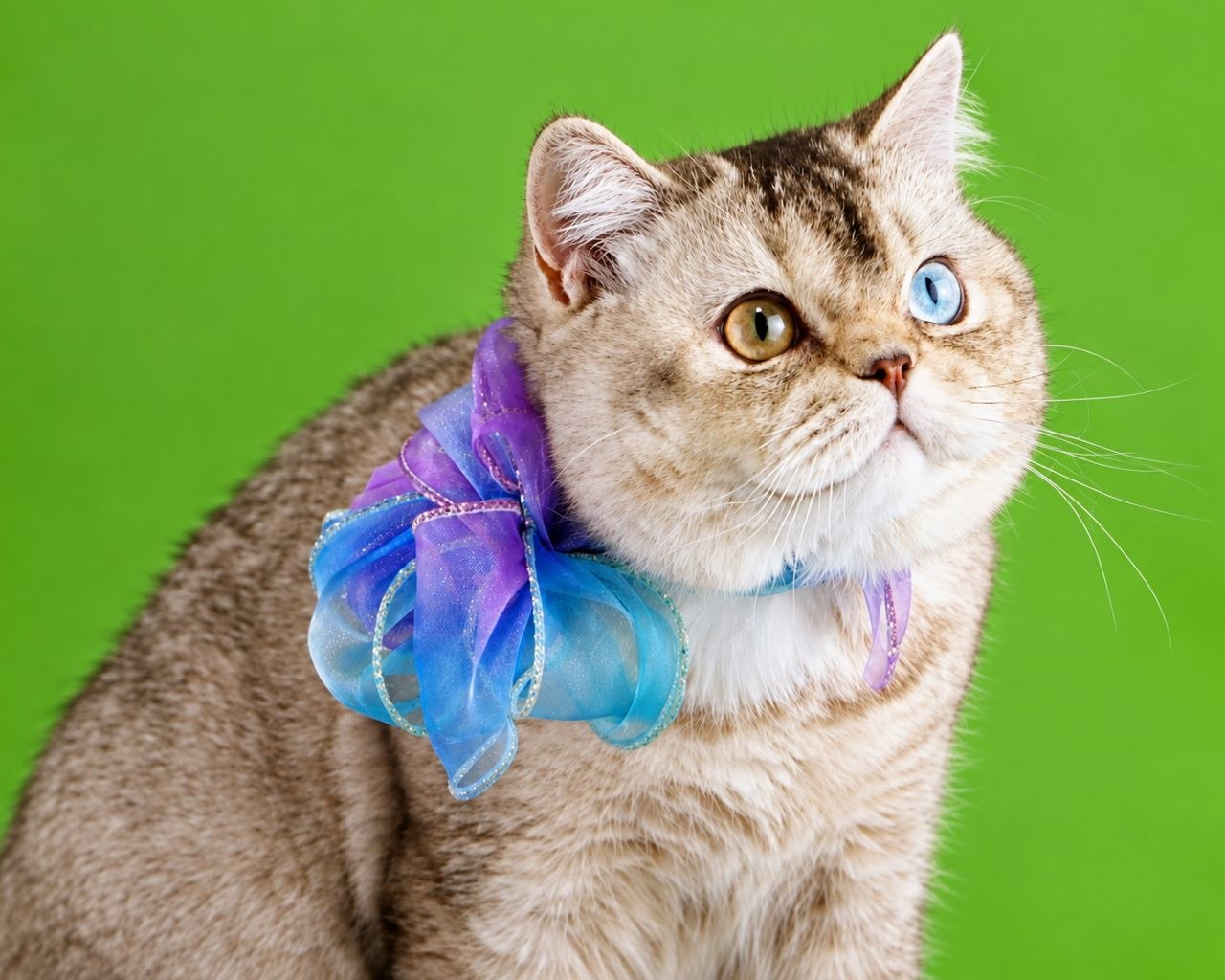
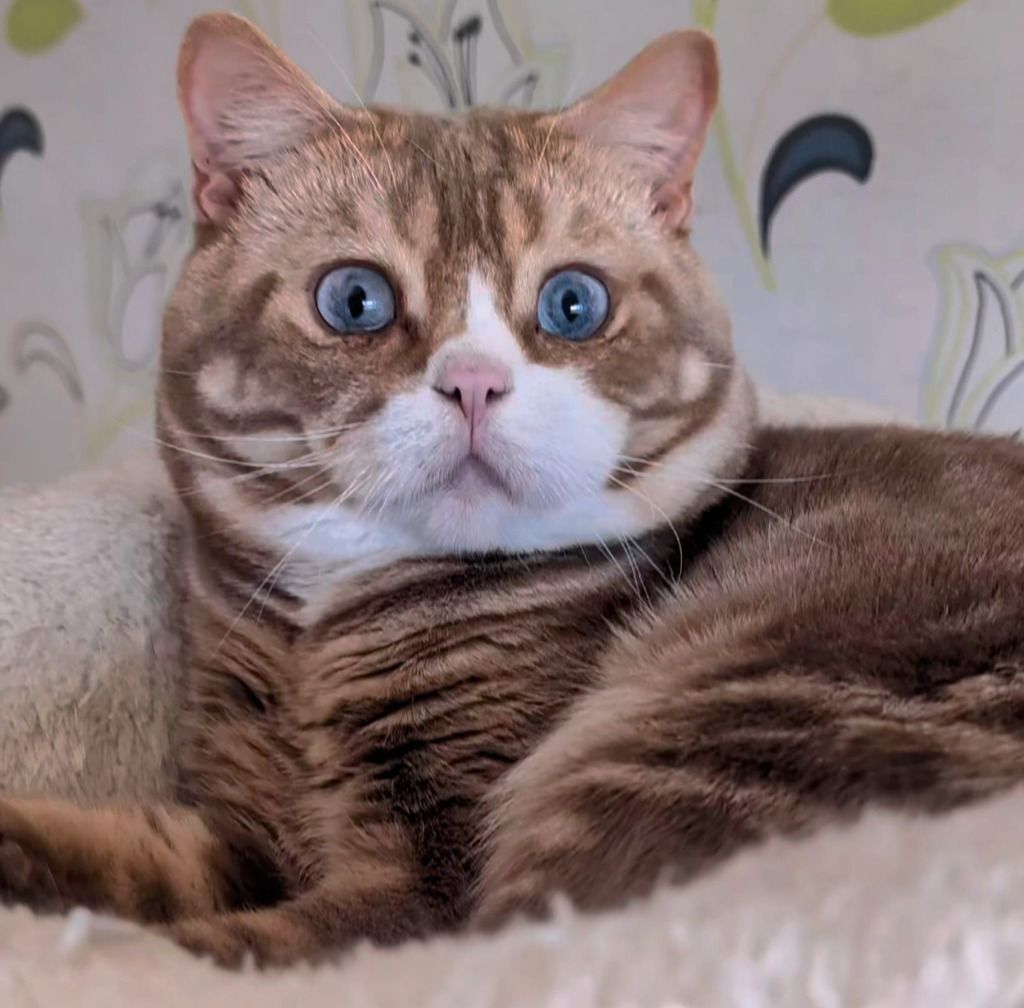
Traditionally, British Shorthair eye colour is genetically coupled to coat pigmentation (copper eyes for solids, green for goldens). The breakthrough introduction of the Dominant Blue Eye (DBE) gene allows solid or coloured cats—such as cinnamon, lilac, or chocolate—to feature brilliant sapphire-blue or captivating odd eyes (heterochromia: one blue, one copper/green).
---
5. What Defines Ethical Colour Breeding?
Breeding for rare colours must never compromise physical health or constitutional vigour. At Grand Liberty: 1. Every pairing is registered with FIFe / WCF with certified multi-generation pedigrees. 2. The cattery holds an official permanent welfare license issued under §11 TierSchG by German veterinary authorities (Rhein-Hunsrueck-Kreis). 3. Every kitten is delivered with a complete international EU Pet Passport, ISO microchip, complete vaccinations, and a clinical health certificate.
Explore our active litters or request a direct WhatsApp live video call to observe our kittens in their loving family home!