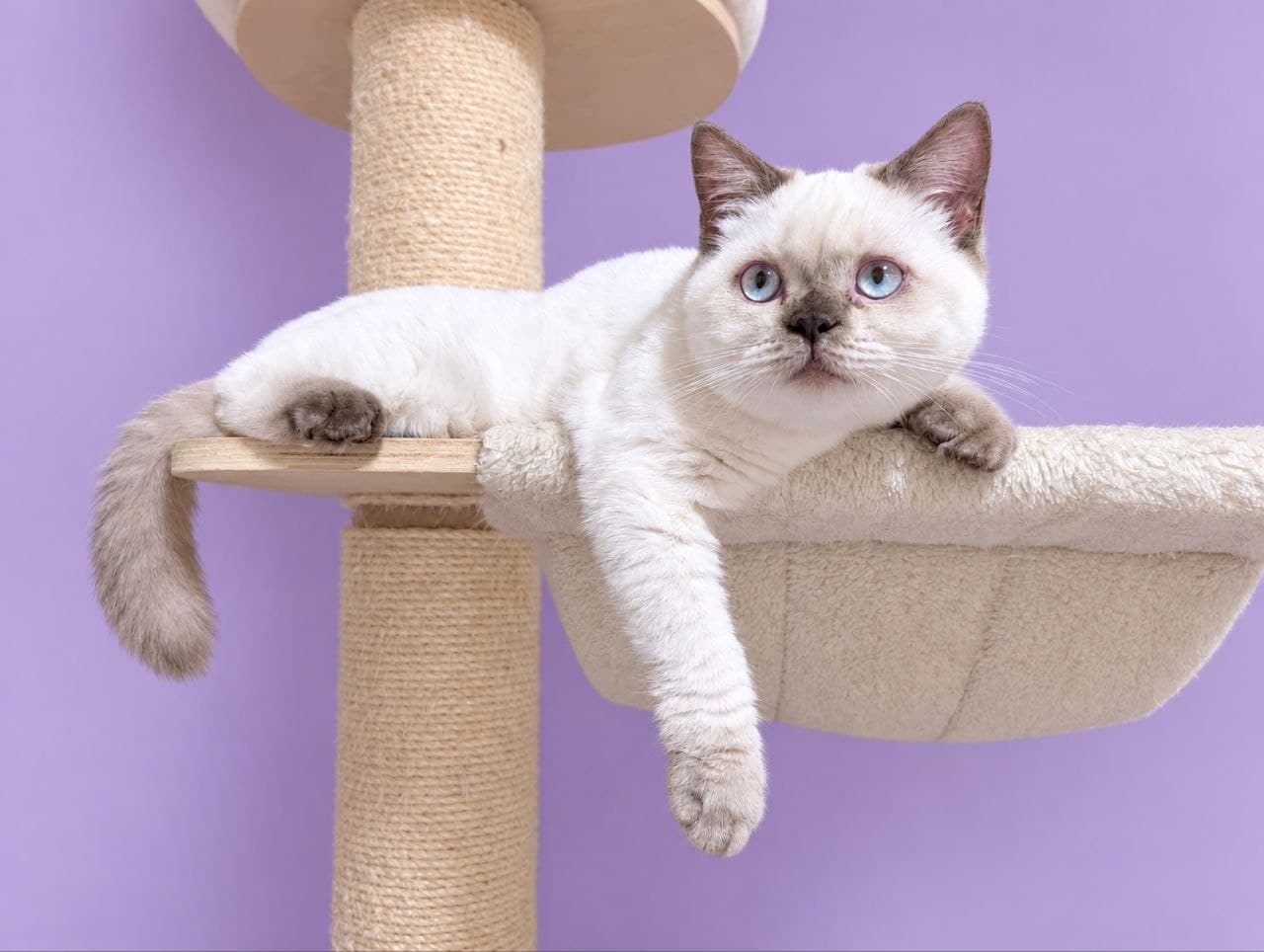
Navigating the first days with British Shorthair kitten requires patience, predictability, and environmental containment. The essential priority during the first 48 hours is confining your kitten to a single, quiet safe room equipped with familiar food, water, and litter, allowing them to decompress without sensory overload before exploring the rest of your home.
Preparing a Kitten Safe Room for Arrival
A whole house is vast and intimidating to a newly arrived kitten. By preparing a kitten safe room, you offer a manageable sensory footprint where the kitten can map out territory, identify resources, and feel secure.
Choose a quiet guest room or home office rather than a busy hallway or laundry room. Ensure all windows are securely latched, electrical cables are tucked into cord protectors, and any toxic house plants such as lilies, pothos, or dieffenbachia are completely removed.
- Place the transport carrier on the floor with the door open as an immediate retreat.
- Provide a low-sided scratching post and a worn t-shirt carrying your scent.
- Ensure food and water dishes are placed at least two meters away from the litter box.
- Block low gaps beneath heavy furniture where a timid kitten could wedge itself out of reach.
First Meal and Hydration After Arrival
Stress during transit temporarily depresses gastrointestinal motility. Managing the first meal and hydration after arrival requires sticking precisely to the breeder's provided diet to prevent osmotic diarrhea and nutritional upset.
Offer fresh, room-temperature wet food approximately two hours after the kitten has settled into the safe room. Never change dry or wet food brands during the first fourteen days. Ensure wide, shallow ceramic or stainless steel water bowls are available, as British Shorthairs often dislike deep dishes that press against their sensitive whisker pads.
- Match the breeder's daily feeding schedule: usually 3 to 4 small meals per day for kittens under six months.
- If the kitten is hesitant to eat, warm wet food slightly to body temperature (around 38°C) to enhance aroma.
- Do not offer cow milk, cream, or sudden treat pastes during the initial 72 hours.
- Monitor water intake; clean and refill water vessels at least twice daily.
Litter Box Orientation in a New Home
British Shorthair kittens from reputable breeders are fully litter trained by 12 to 14 weeks. However, stress and unfamiliar territorial markers can cause temporary disorientation unless you prioritize deliberate litter box orientation in a new home.
The moment you unlatch the transport carrier inside the safe room, gently place the kitten directly into the litter tray. Let them inspect the substrate and step out on their own. Avoid moving the tray once placed, and replicate the substrate type used by the cattery, whether non-clumping mineral clay, wood pellets, or plant-based grains.
- Maintain an open, uncovered litter box initially; enclosed hoods can trap odors and disorient kittens.
- Scoop waste twice daily to keep the tray pristine and appealing to standard feline cleanliness.
- If an accident occurs, clean it with an enzymatic cleaner rather than ammonia-based sprays.
First Nights and Kitten Sleep Routine
The first nights without their dam and littermates are the most emotionally demanding phase of adaptation. Establishing a clear first nights and kitten sleep routine helps prevent nocturnal distress vocalizations.
Engage the kitten in an active play session using a feather wand about thirty minutes before bedtime, followed by a protein-rich wet meal. This taps into the natural feline cycle of hunt, eat, groom, and sleep. Place a ticking clock wrapped in a fleece blanket or a low-temperature pet heat pad inside their nesting bed to simulate the warmth of siblings.
- Leave a faint nightlight on near the safe room entrance to aid nighttime navigation.
- Keep the kitten in their safe room overnight rather than allowing free run of the house.
- If the kitten meows, speak in a gentle, low voice from the doorway rather than initiating frantic midnight play.
Common New Owner Mistakes to Avoid
Even dedicated owners can inadvertently trigger stress by treating a pedigree kitten like a human child. Recognizing common new owner mistakes to avoid safeguards your kitten's nervous system and immune stability.
Avoid inviting neighbors, extended family, or children to handle the kitten during the initial 48 hours. Resist the temptation to carry the kitten constantly; British Shorthairs cherish physical proximity and affection on floor level, but naturally value bodily autonomy and four paws on the ground.
- Do not force physical contact; allow the kitten to approach your outstretched index finger.
- Never introduce resident pets during the first three to five days; use scent swapping first.
- Do not schedule non-urgent grooming, bathing, or vet visits on day one unless medically indicated.
48-Hour Kitten Arrival Checklist
- Hour 0-2: Release kitten inside safe room; place in litter tray; leave carrier open as shelter.
- Hour 2-4: Offer a modest portion of familiar cattery wet food and fresh water; observe from a calm seated posture.
- Hour 4-12: Monitor urination and defecation; keep ambient noise low; maintain closed safe room door.
- Hour 12-24: Implement evening play, feed bedtime meal, check room temperature (target 20-22°C).
- Day 2: Conduct gentle interactive sessions; begin basic scent exchange with resident family members.
- Day 3-7: Expand access to adjacent quiet rooms only after consistent eating, drinking, and 100% litter box accuracy.
Summary & Next Steps
A serene start yields a confident, stable British Shorthair companion. Focus entirely on stability, identical food, and patient boundary control during the first two weeks. Once your kitten consistently purrs, eats with appetite, and reliably uses the litter box, begin introducing other areas of the house one room at a time.
Sources & References
- Fédération Internationale Féline (FIFe) Breeding & Registration Rules
- AAFP Feline Environmental Needs Guidelines (Journal of Feline Medicine and Surgery)
- German Animal Welfare Act §11 TierSchG Cattery Husbandry Standards