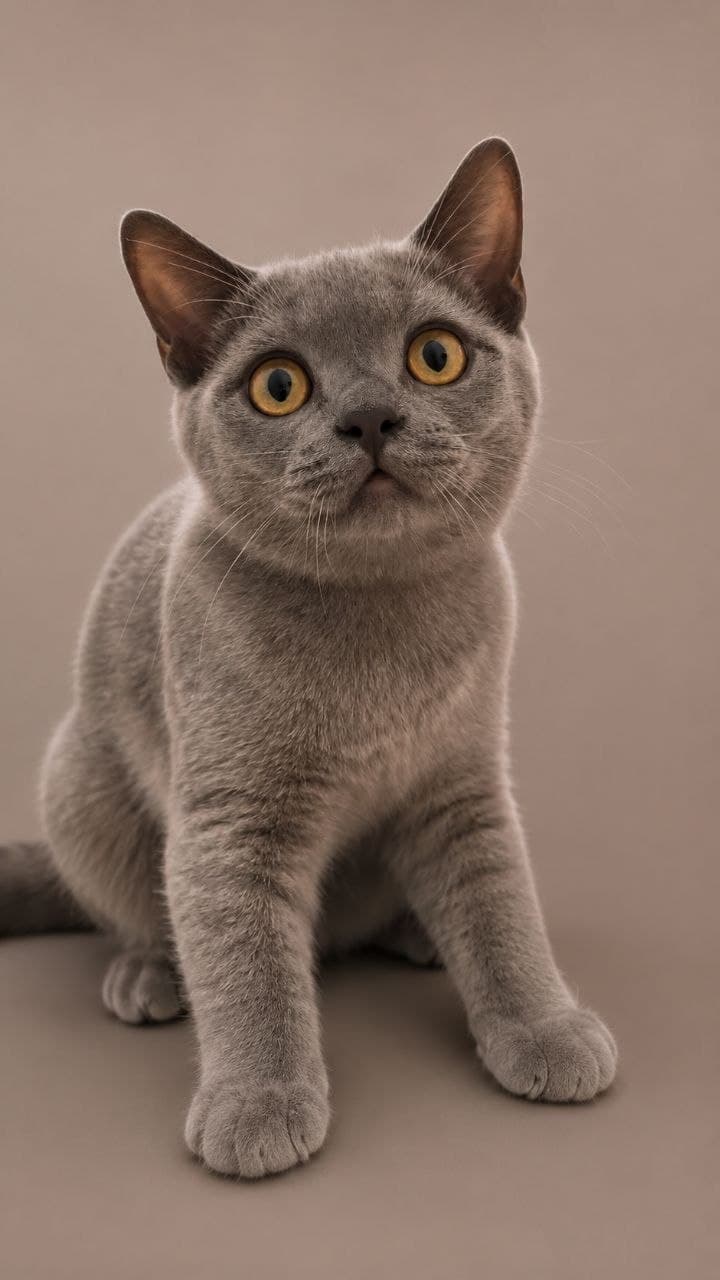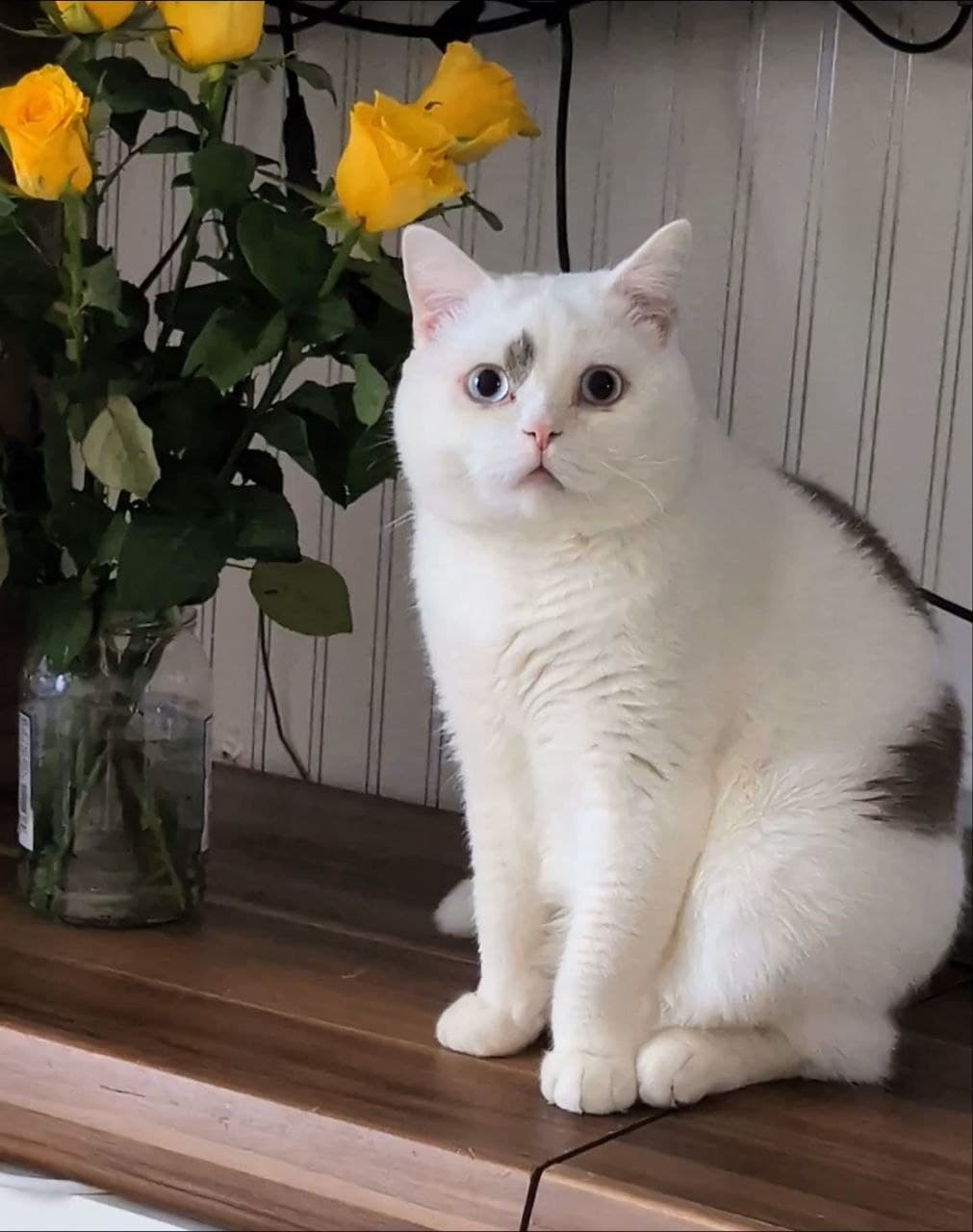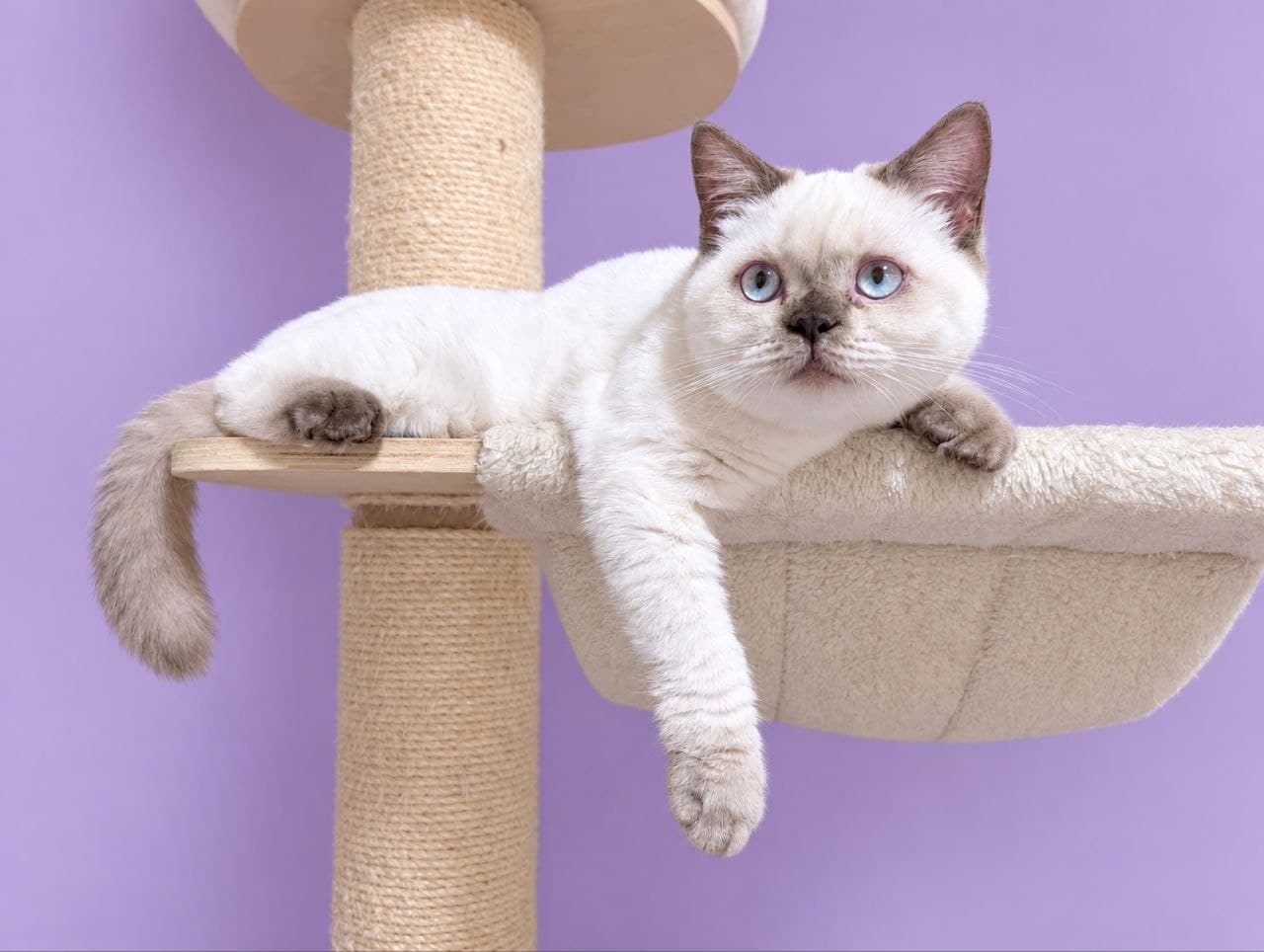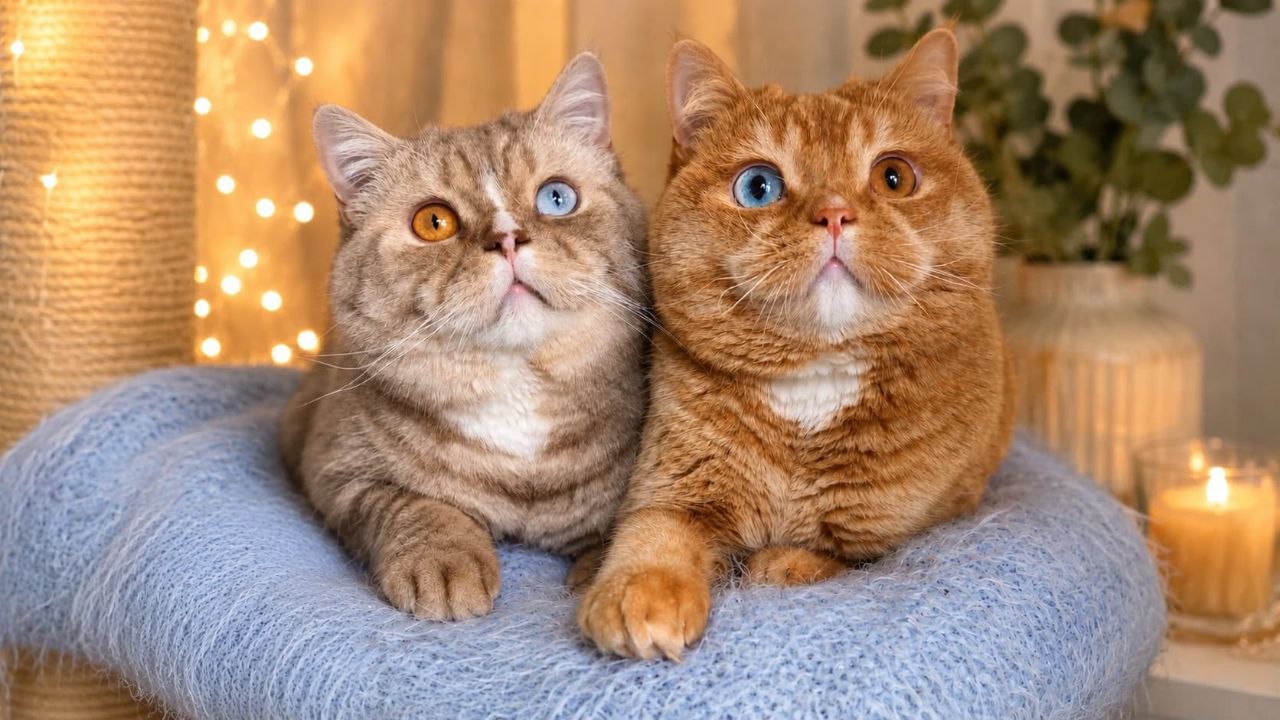
This British Shorthair breed guide details the quintessential feline of balanced power and composure. Defined by FIFe and WCF standards, the breed exhibits a muscular cobby body, massive rounded head with pronounced jowls, copper or amber eyes, and a crisp, dense plush coat that stands apart from the skin. Known for an aristocratic, low-reactivity temperament, this slow-maturing breed reaches physical peak at three to five years.
Official British Shorthair Breed Standard under FIFe and WCF
The official British Shorthair breed standard establishes a visual blueprint centered on physical substance, roundness, and muscular density. In both the Fédération Internationale Féline (FIFe Category III) and the World Cat Federation (WCF), scoring criteria award the majority of points to the combination of head structure and body conformation. Unlike foreign or semi-foreign breeds built on lean, elongated lines, the British Shorthair is an exercise in solid, broad geometry where every angle resolves into a curve.
Under show judging conditions, faults are penalized when cats exhibit domestic fine boning, an elongated neck, flat foreheads, or a soft, lying-down coat texture. Breeding programs adhering strictly to ethical registries prioritize health-tested parentage (HCM echocardiography and PKD genetic clearance) alongside aesthetic fidelity. Maintaining the historic British profile requires preserving massive bone density without drifting into morbid obesity or brachycephalic facial flattening.
- Head (30 points): Broad, rounded skull, full cheeks, powerful jowls, short straight nose with a gentle dip.
- Body (20-25 points): Cobby, broad-chested, short level back, deep torso, low-set posture.
- Coat (20-25 points): Crisp, dense undercoat, short length, resilient snap-back texture.
- Eyes (10-15 points): Large, round, wide-set, vivid copper, deep amber, or colorpoint-specific hues.
Cobby Body Type and Boning: The Architecture of Substance
In feline morphology, the term 'cobby' describes a compact, solid frame anchored by heavy skeletal architecture. The British Shorthair exemplifies cobby body type and boning: the ribcage is expansive and barrel-shaped, the shoulders and rump are of equal width, and the backline is straight, short, and level. The legs must be short to medium in height, straight, and remarkably thick-boned, culminating in neat, firm, rounded paws.
Sexual dimorphism is striking in this breed. Adult males typically weigh between 5.5 and 8.5 kilograms, displaying heavy neck ruffs and prominent jowls (stud cheeks), whereas females present a more compact 4.0 to 5.5 kilograms while retaining proportional bone mass. Full muscular and structural development requires prolonged maturation; a British Shorthair does not finish broadening across the chest or hardening its skeletal frame until 36 to 48 months of age.
- Sternum and pelvic girdle: Broad, robust horizontal carriage with minimal ground clearance.
- Tail structure: Thick at the base, tapering marginally toward a rounded tip, reaching approximately two-thirds of body length.
- Weight management: Muscle density must be assessed via ribcage palpation to differentiate athletic cobbiness from excess visceral fat.
Crisp Double Plush Coat Texture and Grooming Requirements
The signature hallmark of the breed is its crisp double plush coat texture. Unlike the silk-like, flat-lying coat of an American Shorthair or the fine, velvet-soft fur of a Russian Blue, the British Shorthair coat feels crisp and crackly to the touch ('crispness' or 'crackle'). This unique feel is produced by a high concentration of coarse guard hairs supported by a dense, equal-length undercoat that lifts the hair away from the body rather than allowing it to rest against the skin.
A coat that feels woolly, long, or thin constitutes a genetic deviation or seasonal shedding defect. Coat density varies slightly with color: solid blues, blacks, and chocolates often exhibit ideal crispness, while dilute and silver tabby variations require selective breeding to prevent the coat from becoming overly soft. Weekly maintenance requires a wide-toothed metal comb to remove dead undercoat without snapping guard hairs; fine wire slicker brushes should be avoided as they compromise the coat's natural architecture.
British Shorthair Temperament and Personality in the Household
The British Shorthair temperament and personality are defined by aristocratic restraint, high emotional stability, and dignified affection. These cats rarely vocalize, communicating primarily through subtle body language, soft chirps, or steady eye contact. They thrive on quiet human companionship and demonstrate distinct loyalty, preferring to settle beside their owners on the sofa rather than being held as lap cats.
A key breed behavioral trait is the 'four feet on the floor' rule. British Shorthairs generally dislike being carried upside-down or restrained in mid-air, which triggers their grounded self-preservation instinct. Because of their calm threshold and low arousal levels, they handle bustling urban apartments, respectful multi-pet households, and structured indoor environments with minimal stress.
- Stress tolerance: Low cortisol reactivity, rarely exhibiting hyper-vocal anxiety or destructive scratching.
- Solitary adaptability: Independent enough to tolerate standard workdays without separation distress, provided environmental enrichment is accessible.
- Play drive: Short, calculated bursts of predatory play targeting ground-level puzzle toys and feather teasers rather than vertical acrobatics.
Morphological Differences Between British and Scottish Fold Cats
Prospective owners and novice fanciers frequently confuse British Shorthairs with Scottish Straights or folded varieties. Understanding the clear differences between British and Scottish Fold cats is vital from both an anatomical and ethical perspective. While historic outcrosses occurred decades ago, the modern British Shorthair is an independent pedigree line defined by substantial bone mass, deep jowls, and medium-small, broad-set erect ears.
In contrast, the Scottish Fold is shaped by the dominant Fd cartilage mutation responsible for ear folding, which can predispose cats to osteochondrodysplasia (OCD). Scottish Straights (cats carrying standard ears from fold breeding lines) exhibit lighter bone structure, a less dense coat, and longer muzzles than the authentic British Shorthair. FIFe strictly separates these breeds, and ethical preservationist catteries do not cross British Shorthair bloodlines into Scottish Fold programs to safeguard skeletal integrity.
British Shorthair Breed Standard Verification Matrix (FIFe / WCF)
- Head: Broad, rounded skull with good width between ears; well-developed cheeks and prominent jowls in mature males.
- Muzzle & Chin: Short, broad, distinct muzzle; firm, strong chin aligning perpendicularly with the upper lip.
- Ears: Small to medium size, rounded at the tips, set far apart to fit the curved contour of the head.
- Eyes: Large, round, open, set wide apart; clean color showing full saturation without green rings in solid varieties.
- Body: Cobby conformation; massive shoulders and chest; level back; heavy bone structure throughout.
- Coat: Short, dense, crisp, standing off from the skin with an abundant undercoat; not soft or open-lying.
- Tail: Short to medium length, thick at base with a slightly rounded tip; proportional to the spine.
Summary & Next Steps
The British Shorthair represents a masterclass in balanced feline architecture—uniting a powerful cobby chassis, a resilient plush double coat, and a calm, aristocratic disposition. For pet owners and exhibition enthusiasts alike, preserving these characteristics requires sourcing from dedicated breeders who prioritize certified cardiac screenings, DNA profiles, and strict adherence to FIFe/WCF standards. Explore our breeding philosophy or schedule a consultation with Grand Liberty Cattery to inspect pedigrees and learn more about our upcoming planned litters.
Sources & References
- Fédération Internationale Féline (FIFe) Breed Standard: British Shorthair (BSH), Category III.
- World Cat Federation (WCF) Official Standard: British Shorthair (BRI).
- Gunn-Moore, D. et al. (2008). Feline hereditary and musculoskeletal disorders: Osteochondrodysplasia and cobby breed conformation. Journal of Feline Medicine and Surgery.