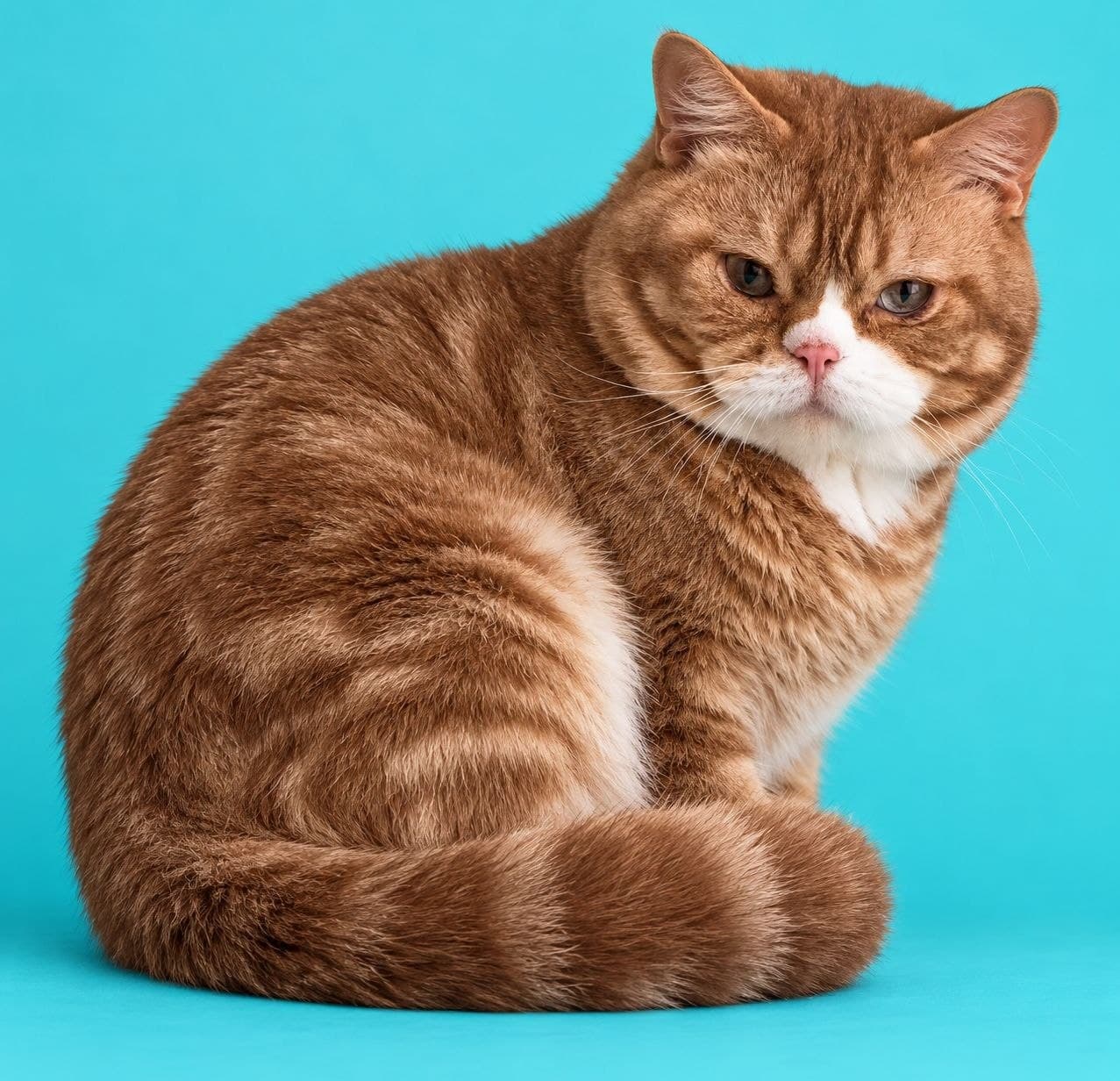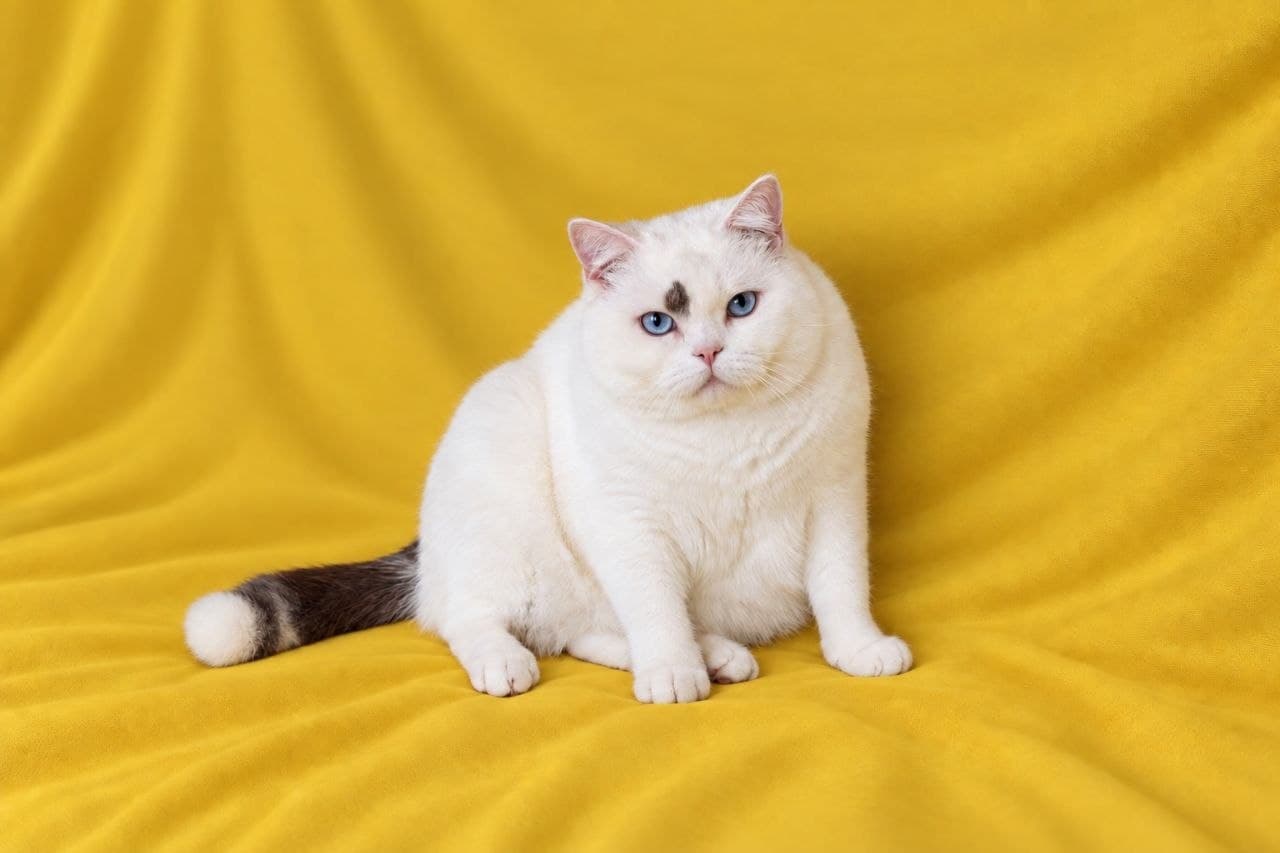
A dominant blue eyes British Shorthair is a pedigreed cat carrying a specific dominant genetic variant—most notably tracing to the Altai line—that produces striking blue or odd eyes on fully pigmented, non-pointed, and non-white coats. Unlike traditional blue eyes caused by the recessive Siamese point gene (cs) or the epistatic white gene (W), dominant blue eye (DBE) mutations alter iris melanocyte migration independently of body pigmentation. Because neural crest cell migration directly impacts inner ear melanocytes, ethical propagation requires mandatory Brainstem Auditory Evoked Response (BAER) hearing verification and strict DBE-to-non-DBE outcross protocols.
DBE Gene Genetics in Cats: The Science Behind the Altai Mutation
In feline genetics, blue eyes were historically limited to three mechanisms: complete lack of pigment in solid white cats (epistatic W gene), extreme white spotting (piebald S gene), or temperature-sensitive albinism seen in pointed breeds (cs allele of the tyrosinase gene). The introduction of DBE gene genetics in cats shattered these traditional boundaries. Recent genomic sequencing has linked prominent DBE lineages, such as the Altai mutation, to novel variants within the PAX3 (Paired Box 3) gene family, which controls early embryonic neural crest cell differentiation and migration.
When a cat inherits a single copy of an active DBE allele (heterozygous state, DBE/n), the migration of melanoblasts—precursors to pigment-producing melanocytes—is arrested or disrupted specifically in the optical stroma. As a result, the iris lacks melanin and reflects light as a brilliant, saturated cobalt or sky blue, regardless of whether the feline coat is black, chocolate, cinnamon, or dilute. Unlike the historical Ojos Azules gene, which carried semi-lethal cranial deformities and embryonic mortality when homozygous, modern Altai-derived variants present distinct molecular profiles, though responsible breeders continue to avoid homozygous pairings to rule out developmental risks.
- Autosomal dominant inheritance: A single copy produces the blue-eyed phenotype in roughly 50 percent of offspring.
- Non-temperature-dependent: Retains deep, luminous blue pigmentation irrespective of ambient temperature or body heat.
- Distinct from Pointed (cs): Functions on fully pigmented self, tortie, and agouti backgrounds without acromelanic patterns.
- Homozygous hazards: Homozygous DBE matings are discouraged across registries to prevent potential neurocristopathies and developmental malformations.
Odd Eyed British Shorthair Heterochromia in Dominant Blue Eye Lines
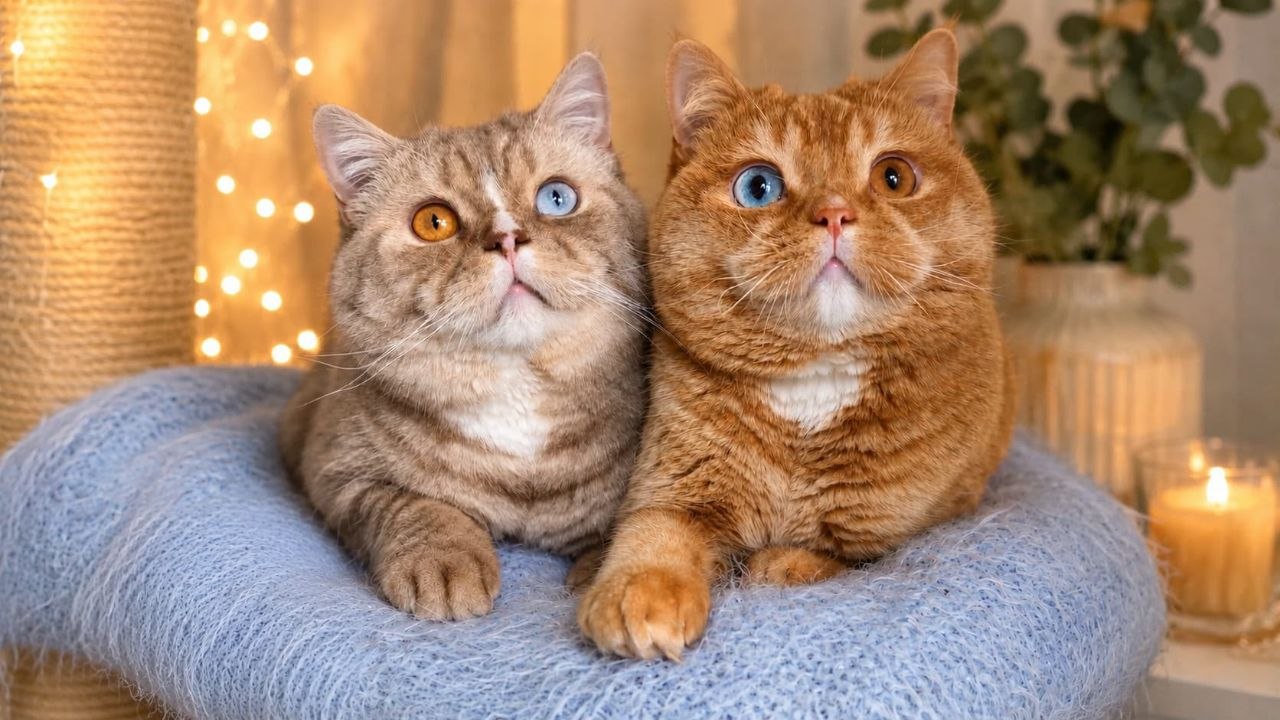
One of the most visually arresting expressions of the DBE gene family is the odd eyed British Shorthair heterochromia. Heterochromia iridis occurs when neural crest melanocyte migration proceeds unevenly across the left and right embryonic cranial paths. In an odd-eyed feline, one eye receives its full complement of stromal melanocytes—developing the characteristic British Shorthair deep copper, amber, or green—while the contralateral eye remains devoid of melanocytes, resulting in an intense sapphire iris.
Sectoral heterochromia, commonly referred to as a segmented eye, can also occur within DBE British Shorthair lines. In these instances, a single iris displays discrete wedges of both copper and blue pigment. Within show standards and selective breeding, odd-eyed individuals are highly valued for their expressive contrast. Crucially, odd-eyed specimens must be evaluated with the exact same auditory scrutiny as fully blue-eyed felines, as asymmetrical melanocyte migration can also occur asymmetrically within the cochlea.
Feline Hearing Testing BAER in Blue Eyed Cats: Protecting Auditory Health
Because both iris melanocytes and cochlear intermediate cells originate from embryonic neural crest cells, any mutation that alters melanoblast migration poses a potential risk to hearing. In the inner ear, melanocytes residing in the stria vascularis are biologically critical: they maintain the endocochlear potential necessary for hair cell stimulation. If these cells fail to migrate or mature, sensorineural deafness can develop. Therefore, feline hearing testing BAER in blue eyed cats is an non-negotiable veterinary requirement in any reputable breeding program.
Brainstem Auditory Evoked Response (BAER) testing measures electrical activity along the auditory pathway from the cochlea to the brainstem using non-invasive subdermal needle electrodes. The test delivers acoustic clicks at calibrated decibel levels (typically 70 to 90 dB nHL). A healthy cat produces a clear waveform showing five distinct electrical peaks. If a wave flatlines, congenital sensorineural deafness is confirmed. BAER testing must be executed by a licensed veterinary neurologist when kittens reach 8 to 10 weeks of age, ensuring definitive confirmation of bilateral hearing prior to placement.
- Bilateral Hearing (Normal): Clear evoked potential waveforms present in both left and right auditory pathways (+/+).
- Unilateral Deafness: One flatline ear and one normal ear (+/-); often undetected without diagnostic BAER evaluation.
- Bilateral Deafness: Complete absence of electrical conduction in both inner ears (-/-); strictly excluded from breeding.
- Certification mandate: Certified documentation must accompany pedigrees under ethical governance (FIFe, WCF, §11 TierSchG).
Rare Color British Shorthair with Blue Eyes: Dilute Lilac and Fawn Expressions
The interaction of the DBE mutation with recessive dilute and modifier genes has established unprecedented color palettes within the breed. Traditionally, a solid lilac (bb dd) or solid fawn (b1b1 dd) British Shorthair exhibits warm amber, orange, or copper irises. When paired with the Altai DBE variant, the resulting rare color British Shorthair with blue eyes displays an extraordinary optical contrast: frosty, pink-toned lilac or soft mushroom-toned fawn fur offset by clear, non-fading vivid blue eyes.
Unlike pointed cats whose eye color is often a pale, washed-out hue dictated by limited tyrosinase activity, a DBE lilac or fawn cat showcases deep structural blue irises with high chromatic saturation. Breeding these rare color combinations requires deep understanding of multi-locus genetics, ensuring that selection for striking visual traits never compromises structural type, heavy boning, dense crisp double coats, or robust immune health.
Ethical Breeding of DBE British Cats: Pedigree Regulations and Best Practices
The expansion of novel mutations demands rigorous ethical boundaries. Ethical breeding of DBE British cats begins with an absolute prohibition on DBE-to-DBE matings. Because several neural crest mutations exhibit semi-lethal or pleiotropic physical defects in their homozygous form, every responsible pairing must follow an outcross model: one DBE carrier (DBE/n) bred to a non-DBE, fully hearing, pedigreed British Shorthair (n/n). This model ensures that all resultant blue-eyed kittens carry only a single copy of the gene, keeping the lineage biologically sound.
Additionally, breeders working under FIFe, WCF, and statutory animal welfare frameworks—such as Germany’s §11 TierSchG—must implement systematic screening protocols to eliminate defect breeding (Qualzucht). Any cat demonstrating unilateral or bilateral deafness on a BAER graph must be immediately desexed and placed strictly as a pampered companion, never retained in a breeding program. Preserving the traditional cobby conformation, round head, broad chest, and calm temperament of the British Shorthair must remain the paramount objective, treating the DBE trait as a refined secondary characteristic.
Comprehensive Breeding and Selection Protocol for DBE British Shorthairs
- 1. Genetic Verification: Perform comprehensive DNA sequencing for known PAX3 and related DBE variants to document lineage transparency.
- 2. Outcross Mandate: Pair exclusively DBE heterozygous (DBE/n) felines with traditional non-DBE (n/n) British Shorthairs.
- 3. Diagnostic Hearing Assessment: Submit every breeding candidate and kitten to BAER auditory screening between 8 and 12 weeks of age.
- 4. Mandatory Desexing of Hearing-Impaired Stock: Instantly retire and alter any breeding prospect testing unilaterally (+/-) or bilaterally (-/-) deaf.
- 5. Phenotypic Type Preservation: Assess head structure, muzzle breadth, cobbiness, and coat density to prevent loss of standard British Shorthair breed type.
- 6. Complete Veterinary Health Clearance: Screen lines clear of Feline Polycystic Kidney Disease (PKD1) via DNA and Hypertrophic Cardiomyopathy (HCM) via routine echocardiogram.
Summary & Next Steps
Dominant blue eyes in British Shorthairs represent a fascinating intersection of modern feline genomics and classical breed aesthetics. By understanding the inheritance mechanisms of the Altai mutation, upholding mandatory BAER auditory certification, and adhering to strict DBE-to-traditional outcross programs, preservationists can ethically develop stunning odd-eyed, lilac, and fawn lines without sacrificing feline welfare. If you are seeking a DBE British Shorthair, always verify official laboratory genetic documentation and demand bilateral BAER hearing certificates from an accredited veterinary neurologist.
Sources & References
- Anderson, H. et al. (2022). 'Feline Genetic Variants and Neural Crest Development: Molecular Characterization of Dominant Blue Eyes in Domestic Cats.' Animal Genetics, 53(4), 512-524.
- Strain, G. M. (2011). 'Deafness in Dogs and Cats.' CAB International, Oxfordshire, UK.
- Fédération Internationale Féline (FIFe). (2023). 'Breeding and Registration Rules & Welfare Guidelines for Novel Coat and Eye Mutations.'
- World Cat Federation (WCF). (2022). 'Standard of Points and Health Directives: British Shorthair and Dominant Blue Eye Variants.'